3 months ago
186
3 months ago
186
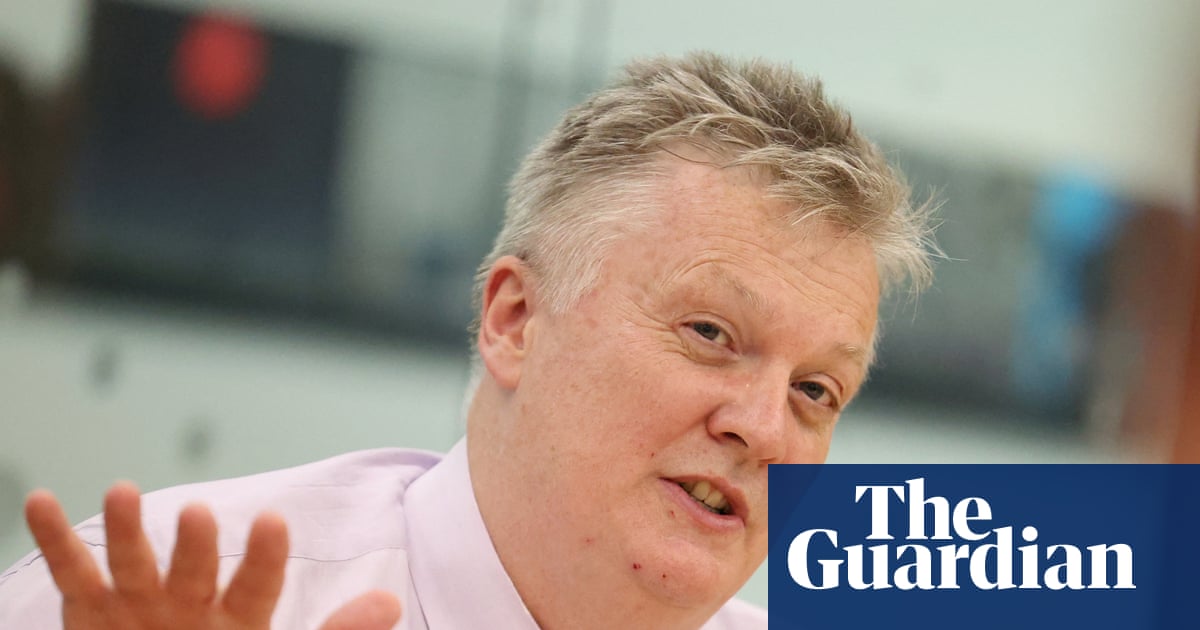
The global economy must be reordered to ensure it serves ordinary people around the world rather than the “frivolous and destructive demands of the ultra-rich,” according to a leading UN figure.
Olivier De Schutter, the UN special rapporteur on extreme poverty and human rights, says politicians must stop prioritising “socially and ecologically destructive growth” that only increases the profits – and serves the consumption demands – of the world’s richest individuals and corporations.
Instead, to tackle the interwoven crises of rising inequality, ecological collapse and a resurgent far-right politics, a new economic agenda is needed.
“The scarce resources we have should be used to prioritise the basic needs of people in poverty and to create what is of societal value rather than serve the frivolous desires of the ultra-rich.”
De Schutter said an economy that uses its limited resources to prioritise building large mansions rather than social housing, or powerful cars rather than public transportation systems is “grossly inefficient” and “will inevitably fail to satisfy the basic needs of people living on low incomes”.
The intervention follows the Guardian’s Beyond Growth series published last month which highlighted calls for an end to the relentless focus on indiscriminate growth that critics say is driving not only ecological collapse but also rising inequality.
Next month, De Schutter said he will publish his “roadmap for eradicating poverty beyond growth”, the result of an informal “beyond growth coalition” he formed that includes UN agencies, academics, civil society and unions.
The aim of the roadmap is to expand the range of policy options available to governments, multilateral institutions and development agencies in the fight against poverty. Among the moves it is considering are a universal basic income, job guarantees, debt cancellation or an extreme wealth tax.
Critically, De Schutter says the roadmap will coincide with two other initiatives: one instigated by the UN secretary general, António Guterres, which looks at replacing GDP as the key measure of economic success, and a second report by a G20 panel of independent experts on global inequality led by the renowned economist Joseph Stiglitz.
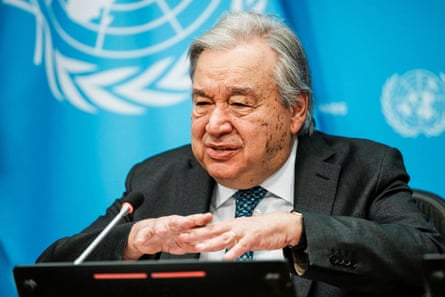
He said that while many within the UN have been convinced of the “imperative of moving beyond growth” for years, their “existing mandate does not always allow them to say this politically at the highest level, and there is a taboo still about questioning growth”.
That could change next month, according to De Schutter, with his roadmap and the other initiatives allowing high-profile figures to “come out of the closet” on growth.
“This moment offers us a realistic opportunity to shape the post-2030 agenda with a viable alternative that will reconcile planetary boundaries with social justice and the fight against poverty and inequalities. That’s the challenge and the opportunity.”
As part of this process, De Schutter is calling for a permanent UN body to be established to oversee the fight against inequality. It would aim to oversee a number of measures designed to ensure “the economy is redistributive and sustainable by design rather than encouraging destructive growth and then trying to make up for the mess that creates.”
He said this new body could operate like the Intergovernmental Panel on Climate Change (IPCC) which was set up in 1988 and has overseen the international effort to tackle the climate crisis.
“Like the IPCC we want the new body to not only collect the evidence of what is happening, but also to collect the evidence about the policy tools that can be used to achieve wellbeing without growth and reducing growth dependencies. That is what we are trying to do. And I have to say, I have enormous enthusiasm from the various groups that support the initiative, in part because it’s a very bottom-up collaboration.
Since he was appointed as a UN special rapporteur in 2020, De Schutter has visited dozens of low income and developing countries and said they are trapped in an economic model that prioritises a destructive form of growth.
“Although these countries still need to create resources to invest in hospitals, schools, infrastructure and so on, the growth that they are forced to pursue, particularly to reimburse their foreign debt … means they must export, and in order to export, they must produce not for their own population and not based on ecological considerations, but based solely on what the big buyers in global supply chains demand.”
He said the result was too often ecological destruction, low wages and minimal investment or prosperity. “We need growth in these countries that is driven by domestic demand rather than by global markets, we need to encourage regional integration, south-south trade rather than north-south global supply chains, and we must put the needs of those people first to allow them to move out of poverty rather be trapped in a system that priorities the demands of the ultra-rich.”
For richer developed countries, De Schutter said next month’s roadmap will identify how “public services and social protections” can be financed by taxing wealth and destructive economic activity rather than by relying on indiscriminate growth across the economy.
“It’s a complex issue, but the key idea is that instead of public revenue being raised by taxing income from labour or economic activity, we should ensure that public revenue is raised by taxing wealth, financial assets, immovable property, financial transactions, and all the ills of the economy, including from the extractive industry and especially of fossil energy.”
And he said there was a huge difference between what was being discussed and recession or periods of unplanned low growth.
“We should avoid the confusion between recession or stagnation of the kind we saw after 2008 or 1929 and the carefully planned and democratically controlled transition to something else.”
De Schutter said the proposals to be outlined next month were backed by leading economists and academics, UN bodies, trade unions and NGOs.
“There’s a realistic opportunity that we’ll be able to present something that for the post-2030 agenda will be a viable alternative, reconciling planetary boundaries with social justice and the fight against poverty and inequalities. That’s the challenge. If we don’t manage, well, the far-right populists will have their way.”