3 months ago
105
3 months ago
105
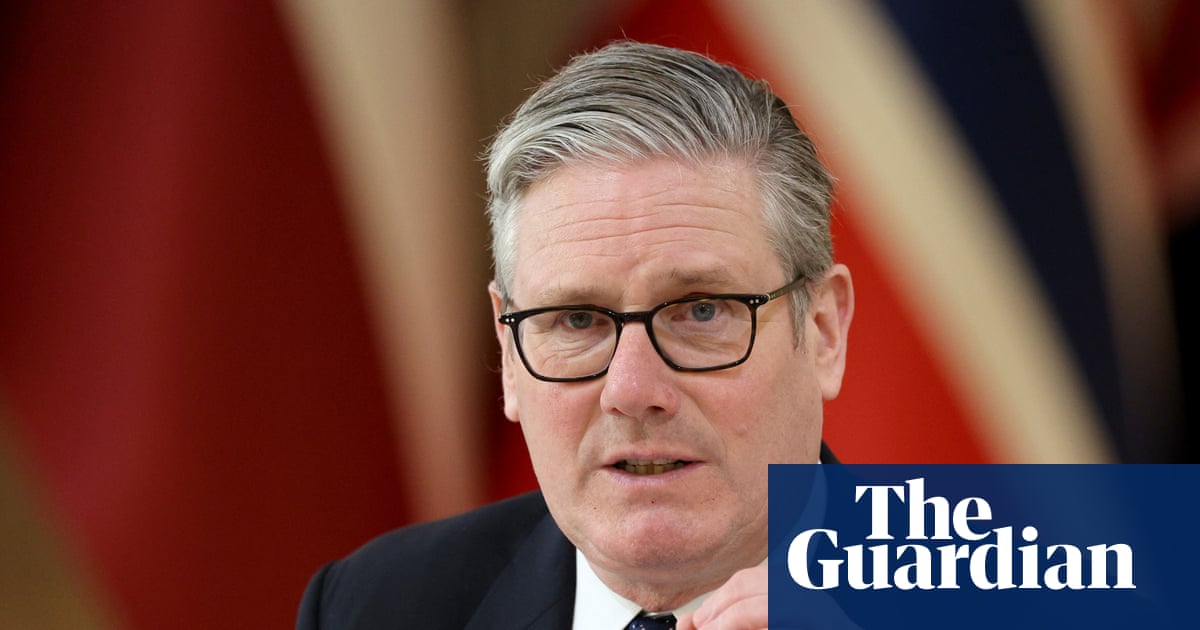
Kemi Badenoch has been accused of weaponising violence against women and girls and using “dangerous” and “deeply inaccurate” claims in her response to the government’s plan to tackle the issue.
On Thursday, the safeguarding minister, Jess Phillips, introduced the government’s long-awaited strategy to tackle “the national emergency” of violence against women and girls in the House of Commons, saying it did something “that none before it ever has” by making tackling it a priority across local and national government, the criminal justice system and the voluntary sector.
Phillips told the Commons: “We are calling violence against women and girls the national emergency that it is. We are committing to halve these horrific crimes within a decade, and today we publish the strategy that sets us on that journey.”
After the announcement of the strategy – which will focus on preventing radicalisation of young men, stopping abusers and supporting victims – the Conservative leader said plans to tackle misogyny in schools were being introduced only because “some people in Labour” watched the Netflix drama Adolescence, adding that the focus should be on “people, who come from cultures that don’t respect women, coming into our country”.
Badenoch added: “The fact is, it’s not 11-year-old boys in school who are perpetrating violence against women and girls […] They need to do the right thing, put police officers on the street, stop people who come from cultures that don’t respect women coming into our country, foreign criminals removed as soon as they commit crimes. Those are the sorts of things that will make a difference.”
Ghadah Alnasseri, the co-executive director at Imkaan, a charity that supports women from ethnic minority backgrounds, said Badenoch’s language could contribute to making migrant women less safe. Alnasseri pointed to attacks on migrant women and women of colour, such as an alleged rape in Walsall that police are treating as racially aggravated.
“Her rhetoric is very dangerous,” Alnasseri said, adding that the majority of victims of sexual and domestic abuse know their abuser. “It’s deeply inaccurate, it’s misinformation and it’s spreading racism.
“We know of charities which have had to remove their signs so they are not attacked, where women have to seek help through back doors. This kind of language is really problematic.”
The shadow Home Office minister Katie Lam – who was criticised in October after claiming that “a large number of people” living legally in the UK should have their right to stay revoked and “go home” – used her allotted time in the Commons to respond to Phillips’s address to focus on whether immigration was exacerbating the problem. “Not every country and culture in the world believes, as we do, that women are equal to men,” Lam said. “And where people from those countries and cultures come here, this can be dangerous.”
Phillips told Lam that violence against women and girls happened in every community, regardless of culture and creed. “If the only crimes that I had to concern myself with halving was those that were committed by people who arrive in our country, my job would be considerably easier,” she said. “The vast majority of the data that I am talking about is around people who were born in our country abusing other people who are born in our country.”
Andrea Simon, the director of End Violence Against Women coalition, said gendered crimes were “not an imported problem”. “It’s hard not to see this rhetoric as political point scoring on a day when landmark measures have been announced to help prevent violence against women and girls,” she said.
“Men’s entitlement to abuse women is a deeply entrenched issue for our society and our shared culture. Politicians should be educating the public on the realities of who is predominantly at risk of sexual violence, which is most likely to have been perpetrated by someone known to you.”