2 months ago
95
2 months ago
95
Canada will join the Eurovision song contest in 2027, becoming the first new participant since Australia in 2015, organisers have announced.
Participation is not limited to countries in geographic Europe and instead is open to all members of the European Broadcasting Union (EBU), which Canada joined last week. Australia is an associate member.
The EBU and the Canadian public broadcaster CBC announced on Wednesday that Canada would send an act to the 2027 contest, to be held in Bulgaria in May. The announcement was made on Canada Day, a national holiday.
The CBC president, Marie-Philippe Bouchard, said participation “will allow Canadian talent to be showcased on one of the most storied music stages in the world”.
The CBC said it would announce details of how Canada’s entry would be selected later this year. Some Eurovision countries, such as Sweden and Italy, choose their competitors through televised national selections that are highly anticipated TV events in their own right. In other countries, such as the UK, competitors are picked by the national broadcaster.
Eurovision’s director, Martin Green, said Canada’s accession was “a further sign that, while born in Europe, the contest continues to welcome the world”.
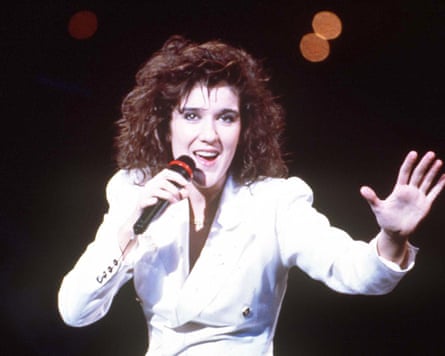
Canadians have entered Eurovision before under different flags, most famously Céline Dion, who won the 1988 contest competing for Switzerland with the song Ne Partez Pas Sans Moi. The New Brunswick-raised Natasha St-Pier and Quebec-born La Zarra have previously represented France, in 2001 and 2023 respectively.
Camp, over the top and emphatically frivolous, Eurovision may still be widely regarded as “a monument to drivel”, in the phrase of a former French minister for culture, but Canada’s decision to join the contest nonetheless adds cultural heft to the country’s recent diplomatic alignment with the EU.
The prime minister, Mark Carney, earned gratitude and admiration from European politicians when he voiced his support for the government of Greenland in the face of Donald Trump’s threats to annex the Arctic island earlier this year.
Speaking in Davos in May, Carney said that “it is my strong personal view that the international order will be rebuilt, but it will be rebuilt out of Europe”.
The 70th Eurovision contest, held in May, featured 35 countries and was won by the Bulgarian singer Dara, so next year’s competition will take place in her country’s capital, Sofia.
Eurovision has faced protests in recent years over the participation of Israel, a competitor since 1973. Five longtime participants – Spain, the Netherlands, Ireland, Iceland and Slovenia – boycotted this year after organisers declined to exclude Israel over its conduct of the war against Hamas in Gaza and violence against Palestinians in the West Bank. It is unclear when or if any of the boycotting countries will rejoin the contest.
The 2026 Eurovision final was watched by 130 million viewers around the world, organisers said, down from 160 million in 2025.
Despite the blows to Eurovision’s finances and viewership from the boycott, the contest is set for expansion, with a spin-off Eurovision song contest Asia due to take place in Bangkok in November.