3 months ago
147
3 months ago
147
When did you last read a good news story about classical music?
Think of the stories that have made the headlines in recent years: funding cuts to national opera companies, closure threats to university music departments, councils axing local provision, classroom music-making in decline.
Successes reported only tend to be reprieves or salvages in the face of such crises, fought for by a sector running out of fuel to keep defending itself. Each new bombshell raises stress and antagonism among music-makers on social media, intensifying the gloom.
I know these are dark days generally, with bad news in every walk of life, but think of the music. If you’re a fan, you surely rely on its vitality, how it speaks to your emotions and uplifts or consoles you at times of need. Even if classical music is not your cup of tea, it’s unlikely you find it harmful or condemnable. How then has the narrative around it veered from the spirit of the thing itself?
Recall the pioneering deeds of broadcaster Sir Humphrey Burton, who died last month. When television first cast its spell, vanguards such as Burton seized the medium to make the case for music. In shows including Monitor, Omnibus, Aquarius, Arena and BBC Young Musician, Humphrey and colleagues put classical music on mainstream TV channels and on everyone’s radar.
Today, the internet and streaming offer access to more music than ever before. But it offers more of everything. In that vast sprawl, musical advocates can less readily capture the public’s attention than Burton did when there were just three or four TV channels for UK viewers to watch. We’re also challenged with how to compress the expansive wonders of symphonies and operas into digital formats designed to hold the attention for 30 seconds. Classical music is simply no longer on everyone’s radar. This diminished presence takes its toll and funders and opinion formers read less visibility as less relevance. Then the cuts, closures and negative headlines come our way.
We need to reset the story. We need to measure up to the energy and imagination of the music and those who create it. We need to make a more compelling case for why classical music matters, accounting the difference it makes to so many lives.
We sensitive souls disposed to the arts can be quite bashful articulating such matters. Let me try to crystallise what classical music has done for me: it has given me my calling, my voice, my confidence and my tribe. The dedication and integrity that composers and performers invest in their craft has compelled me to live by such virtues myself. Watching musicians onstage, I regularly witness the best of humanity, striving together to give the best of themselves for the benefit of others. Performing sublime music that’s sometimes centuries old, classical musicians reassure us that good things endure. They remind us that, if we can find meaning and resonance in what a composer had to say generations ago, we can surely find commonality and connection with each other in today’s world.
In today’s unsettled times, what a precious force. On which note, I can’t think of any classical music organisation in the UK today that isn’t actively discovering how focused, informed engagement in its community can have a positive impact on multiple aspects of healthcare.
Classical music surely deserves brighter exposure than it currently gets.
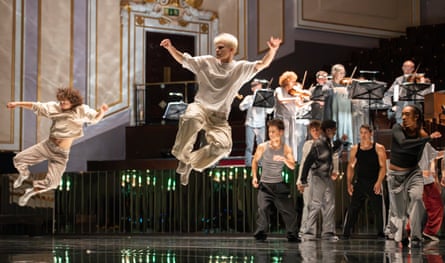
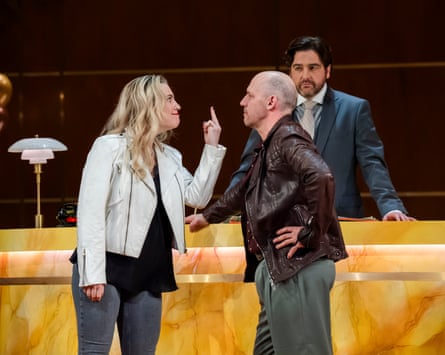
One way we are trying to do this is via the Royal Philharmonic Society awards, whose shortlist we announce today. Each year, our judging panels are overwhelmed by all the incredible things musicians are doing to engage, to entertain, to support and to sustain us all. Take this year’s nominees. They include luminaries such as conductor John Wilson. With his Sinfonia of London, Wilson pursues an Olympian level of musical excellence that’s gripping audiences in bestselling albums and sell-out concerts around the UK. Also nominated is the star soprano Louise Alder who dazzled at the BBC Last Night of the Proms, and composer Mark-Anthony Turnage, whose Festen at Covent Garden was a powerful reminder that the UK produces some of the greatest and most compelling opera in the world.
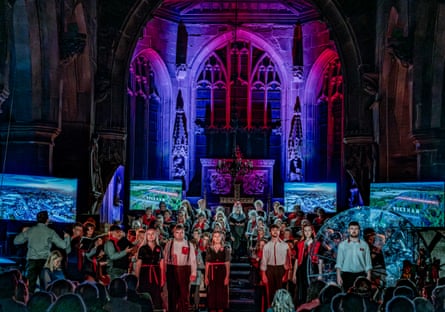
The RPS awards don’t just celebrate star talent. Among the nominees are unsung heroes, with great tales to tell. Take the Welsh community of Gresford who created an opera to commemorate the village’s mining disaster of 1934. In this, music brought people together, giving multiple generations a voice and a refreshed sense of the values that unite them.
Take the Royal Scottish National Orchestra, who last year not only recorded its highest-ever ticket sales, but delivered interactive music-making projects for over 70,000 people, including its Big Music Weekend – collaborating with jazz and soul artists, and local chefs and breweries – in Glasgow’s deprived ward of Anderston.
Take Sean Chandler, principal cornet of the amateur Shepherd Brass Band in York. Sean established I Can Play Brass Roots – an initiative that’s helping hearing d/Deaf children in York to feel heard and valued by teaching them brass instruments and playing as a band.
These aren’t isolated ventures. They are representative of what all UK classical music-makers do. So many good deeds, so many good news stories. At a time of global woe, we should cherish and embrace this extraordinary infantry.
Here we can take heart that a growing audience recognises classical music’s worth. In a Royal Philharmonic Orchestra survey in 2023, 84% of adults said they would like to experience a live orchestral concert. Last year, BBC Radio 3 reported an audience of 2.15m listeners in a single quarter – its largest since the pandemic – and the BBC Proms last year enjoyed a record-breaking digital audience, with more than 10m TV viewers and six million streams. Audiences are integral to classical music and it’s vital we find every way to ensure they are recognised. While many awards shows are just for the glitterati, we particularly welcome the music-loving public to attend the RPS awards – they are part of the story we have to tell.
Humphrey Burton himself was a driving force in launching the RPS awards. Tributes to him last month talked of how he led a golden age for classical music storytelling. This is true, but he did more than that: he gave us the blueprint, showed us the zeal, and passed us the torch, to keep classical music in the hearts and minds of the nation, where it positively belongs.