3 months ago
86
3 months ago
86
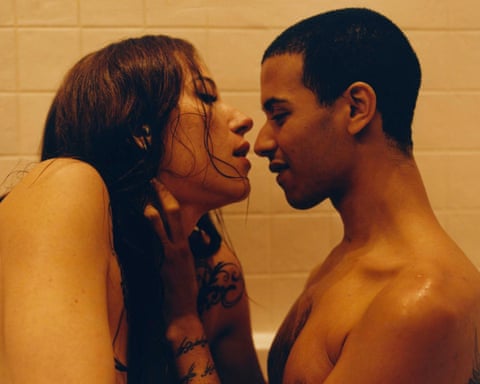
From Black debutantes to Bolivian matriarchs, this year’s Saltzman-Leibovitz prize shows the diverse subjects being tackled by the next generation of female storytellers
Bath bombs … Bettina Pittaluga’s No Body Is Just One ThingTue 12 May 2026 08.00 CEST
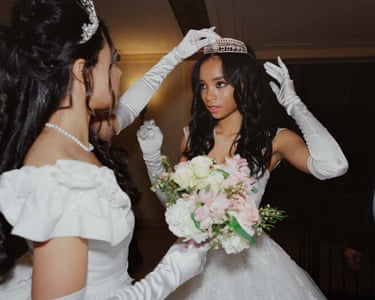
Runner Up: Miranda Barnes, Social Season
The Saltzman-Leibovitz photography prize was founded in 2025 by photographer and philanthropist Lisa Saltzman in collaboration with renowned photographer Annie Leibovitz. It honours the legacy of Ralph and Muriel Saltzman, both deeply committed collectors and patrons of the arts. The prize celebrates the next generation of female visual storytellers, in honour of Annie Leibovitz’s book Women, and is designed to spotlight emerging talent at a pivotal moment in their creative journeys. Works will be on display at Photo London, Olympia, 13–17 May, 2026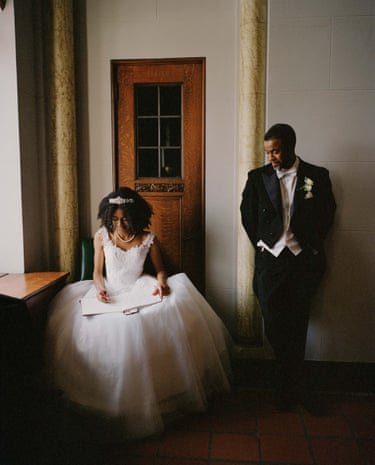
Runner Up: Miranda Barnes, Social Season
Miranda Barnes: ‘My project Social Season offers a glimpse into the world of African American cotillions. My first contact with debutante culture came through research for a larger project that focused on Black traditions and community gatherings throughout the United States. Juneteenth pageants, rodeos, church ceremonies and homecomings were some of the events that I sought to photograph’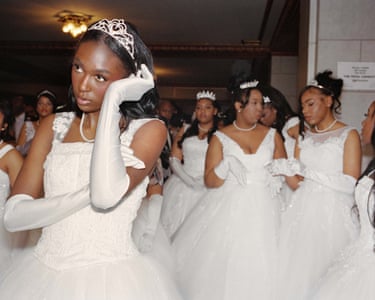
Runner Up: Miranda Barnes, Social Season
‘The Debutantes’ Ball project (2022 to 2025) in Detroit, Michigan, documents the community, camaraderie and anticipation surrounding the custom and the moment of transition it hinges upon. Through colour photography, I aim to offer a glimpse of generational Black excellence and expression. Although glamorous, the images serve as a reminder that even within our lifetimes being a well-dressed, articulate Black person was deemed inappropriate – even a dangerous offence’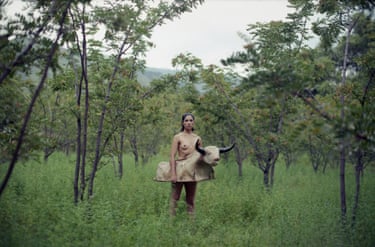
Winner: Marisol Mendez, Bull 2019
Bolivian photographer Marisol Mendez examines the tension between truth and fiction.‘In my images preconceived biases or prejudices about the women are challenged by the subjects’ piercing gaze. I talk at length with my subjects about patriarchal representations of womanhood, and collaborate with them on how they would like to be photographed. The outcome is a protest in the face of unjust depictions that erase the nuances of what it means to be a woman in Bolivia with an inherited past of colonisation, patriarchy, and interlacing faiths and religions’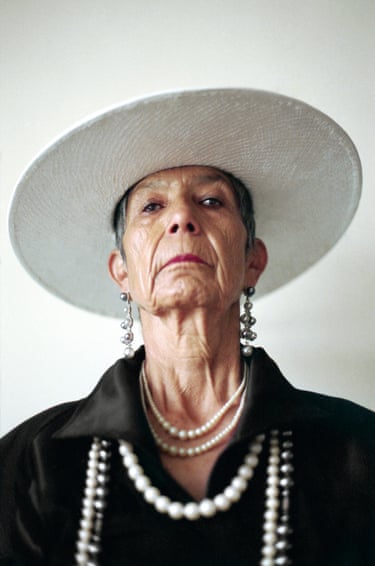
Winner: Marisol Mendez, Matriarca
‘One of the defining features of contemporary Bolivian society is the visible presence of women in positions of power, a reality that would have been unimaginable in the recent past. This portrait presents Carmen Paz, a Bolivian matriarch. She never married and did not have children, an uncommon path for a woman of her generation. Yet she is recognized as the head of her family. Her authority is defined by presence and independence. Well travelled and deeply connected to her sister’s children, she embodies a form of kinship that challenges convention’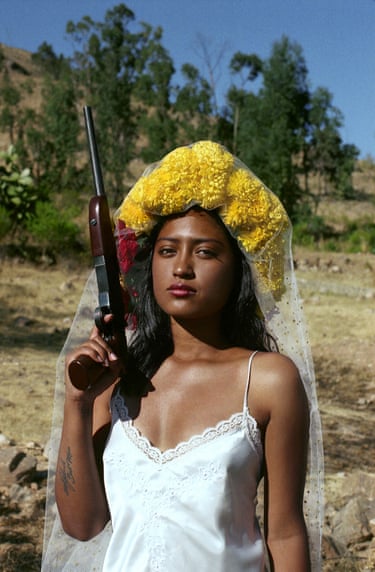
Winner: Marisol Mendez, Killa 2019
Killa, the Quechua word for moon, evokes Mama Quilla, the Inca moon goddess traditionally seen as a protector of women. In recent years Bolivia has registered alarming levels of gender violence, and 2019 marked a period of public outcry around feminicides and impunity. Against this backdrop, the project MADRE insists on a visual language that resists erasure. Mendez’ portraiture in the series channels that growing female revolt, a ripening, stubborn refusal to be silenced, by reworking religious and vernacular iconography into images of dignity and defiance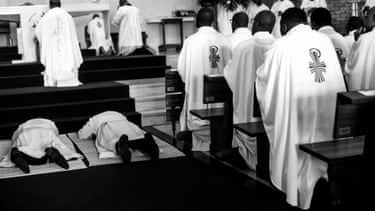
Cole Ndelu, Black Church
Cole Ndelu’s ongoing project, Black Church, investigates the Zulufication of Catholicism in KwaZulu-Natal – how Zulu cosmology, ritual and communal memory merge with Catholic doctrine to create locally authored forms of belief. ‘Through this work, I foreground the material and sensorial dimensions of faith: the textures, objects and substances that embody cultural knowledge and ritual meaning’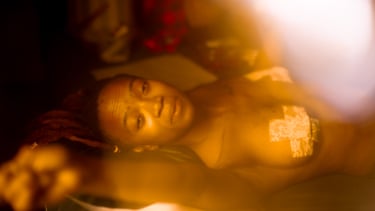
Cole Ndelu, Portrait for Nike, Johannesburg
‘This portfolio gathers work created between 2020 and today, reflecting my journey through themes of girlhood, womanhood, mother–daughter relationships, Zulu culture, Catholic faith and fashion; explored both conceptually and through documentary’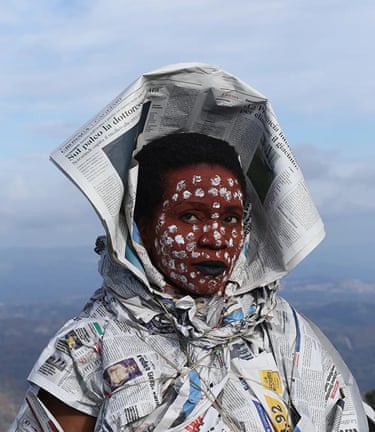
Lindeka Qampi
Qampi, born in 1969 in Bolotwa, South Africa, is self-taught and began taking photographs in 2006 when she met members of the Iliso Labantu (the eye of the people), a community-based photo collective. Qampi focuses her lens on daily township life, with particular attention on Khayelitsha, the township in which she has lived since her teens. She captures and shares what she sees, from the private sphere to the public, and deals with a variety of issues such as the limited availability of land to the euphoria of child play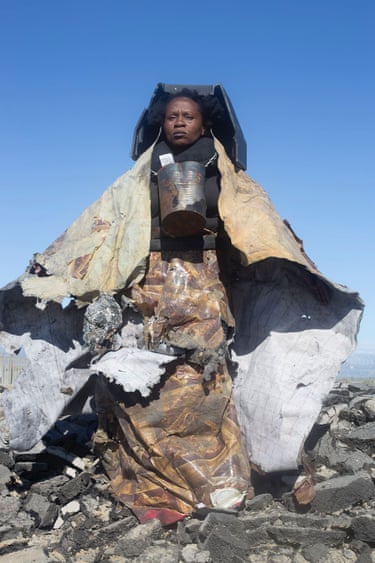
Lindeka Qampi, Itapeti
Qampi’s photographs express the poetry and politics of the ‘ordinary act’ and therein the potential of imagining new possibilities for the future. Qampi’s work is part of collections in North-West University Gallery Collection (Potchefstroom, South Africa), Museum of Modern Art (San Francisco, US) and the University of Cape Town. Her awards include the Mbokodo award (2015) in the category Creative Photographer and the Brave award (2016) with Zanele Muholi, acknowledging their outreach work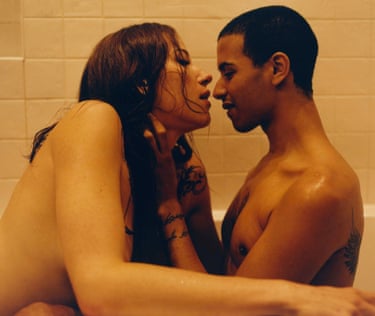
Bettina Pittaluga
Bettina Pittaluga: ‘I’m a French-Uruguayan photographer, living in Paris. I like to think that I photograph beauty. I find beauty in authenticity; of an emotion, an instant, the other, in what is most real. I studied sociology and also worked as a reporter. It’s therefore second nature for me to compose with what is already present and existent. I am focused on giving a voice and visibility to those who are not or too little represented. It is very important to me to do everything to deconstruct this hegemony; I am committed to invoke all these fights until they are won’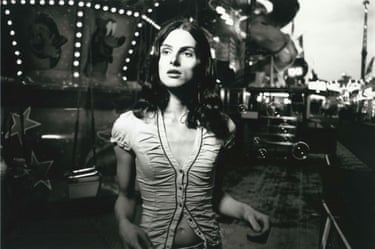
Bettina Pittaluga, No Body Is Just One Thing
‘This project comes from within the community I photograph. It is shaped by friendship, by conversation, by time spent together. I am looking for the moment when someone forgets they need to perform. Much of queer history has been imaged through urgency or spectacle. I am interested in what it looks like when we are not defending ourselves. When we laugh. When we love. When we are tired. When we are simply there’Explore more on these topics