3 months ago
107
3 months ago
107
Dentists in England will be paid more to ensure patients have easier access to emergency appointments under government plans, but experts have expressed doubt that it will improve care.
The changes, which will be introduced from April next year, will include dentists being incentivised to provide emergency and complex treatments through the introduction of a standardised payment package, ministers said.
It is intended to address the fact that many dentists have stopped their NHS-funded work because the fees for many procedures do not cover the costs involved.
The inability of millions of people across England to access NHS dental care has resulted in “dental deserts” and even “DIY dentistry”.
A report by the patient watchdog, published on Monday, found that people needing emergency dental care in England were being denied help from the NHS despite guidance saying it should be available, leading to some people pulling out their own teeth.
The government said its changes would allow patients who need urgent treatment to get appointments more easily, with dentists incentivised to offer urgent care for issues such as severe pain, infections or trauma to teeth on the NHS.
Those who need complex care, such as treatment for severe gum disease, will be able to book a single package of treatment, rather than it being spread over several appointments. The government claimed it could save patients about £225.
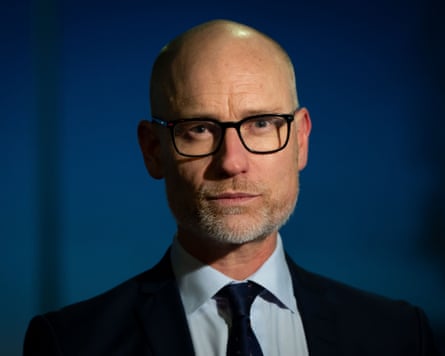
The health minister Stephen Kinnock said it marked “the first step towards a new era for NHS dentistry after a decade of decline, one that delivers for patients and our dedicated dental professionals”.
Kinnock added: “Now we are tackling the deep-rooted problems so patients can have faith in NHS dentistry – these changes will make it easier for anyone with urgent dental needs to get NHS treatment, preventing painful conditions from spiralling into avoidable hospital admissions.”
The latest results of the goverment’s adult oral health survey revealed that 41% of people had obvious signs of tooth decay, similar to levels seen in the late 1990s.
Although the government said the changes would be “the most significant modernisation of the NHS dental contract in years”, the British Dental Association (BDA) said the offer “has no new money behind it”.
Shiv Pabary, the chair of the BDA’s general dental practice committee, said the changes amounted to the “biggest tweaks this failed contract has seen in its history”.
“We do hope changes can make things easier for practices and patients in the interim, but this cannot be the end of the road,” he said. “We need a response proportionate to the challenges we face, to give NHS dentistry a sustainable future.”
Chris McCann, the deputy chief executive of Healthwatch England, an NHS watchdog, welcomed the move but added: “Short-term tweaks to the dental contract over recent years have failed to make major progress towards addressing the NHS dentistry crisis. Until data is published, it is also unclear how the government is progressing on its pledge to deliver 700,000 new urgent dental appointments.”
He added: “To boost public confidence, transparent reporting of progress against current targets and details of longer-term, fundamental reform of the NHS dental contract are needed.”