2 months ago
47
2 months ago
47
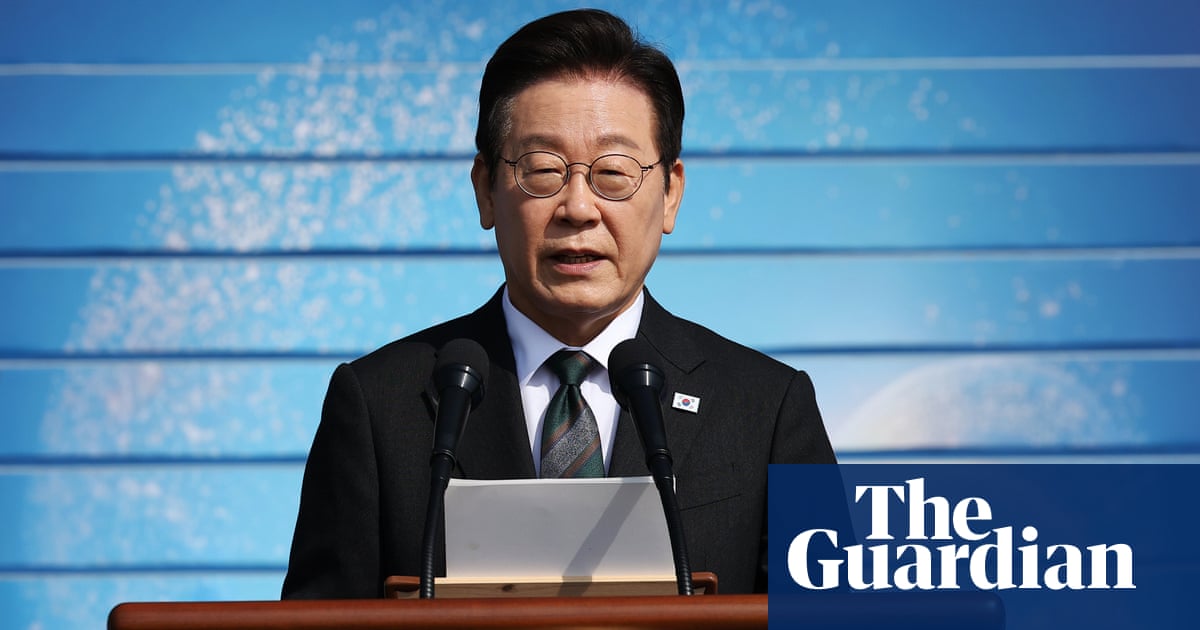
The Dutch king, Willem-Alexander, vowed on Monday that the topic of slavery would not be off-limits as he visits former colony Suriname, where the practice ended just over 150 years ago.
The king arrived in the capital Paramaribo on Sunday with Queen Maxima, a week after the small South American country marked 50 years of independence from the Netherlands.
During their three-day visit, “we will not shy away from history, nor from its painful elements, such as slavery,” Willem-Alexander said on Monday.
The king and queen’s visit is the first by members of the Dutch royal family in nearly five decades.
Slavery was formally abolished in Suriname and other Dutch-held lands on 1 July, 1863, but only ended in 1873 after a 10-year “transition” period.
The Dutch funded their “golden age” of empire and culture in the 16th and 17th centuries by shipping about 600,000 Africans as part of the slave trade, mostly to South America and the Caribbean.
At a meeting on Monday with the Surinamese president, Jennifer Geerlings-Simons, the king said he was “aware of how deeply this resonates with the descendants of enslaved people and Indigenous communities. We are eager to engage in dialogue with them.”
Suriname, on the north coast of the South American continent, has been plagued by rebellions and coups since independence in 1975.
But the recent discovery of vast offshore oil reserves holds the promise of changing the country’s fortunes.
Willem-Alexander said the Netherlands was eager to deepen ties with its erstwhile colony “based on equality and mutual respect”.
And, he said, building a common future “is only meaningful if we take into account the foundation on which we stand. That foundation is our shared past”.
The Netherlands issued an official apology for slavery through then-prime minister Mark Rutte in December 2022, followed by a royal apology from the king the following year.
Willem-Alexander and Argentine-born Maxima are to meet representatives of the descendants of slaves, traditional people and Indigenous groups behind closed doors.
A group of Afro-Surinamese people have criticised the royal program for not including a wreath-laying at a Paramaribo monument celebrating the abolition of slavery.
Diplomatic relations between the countries were severely strained under the military regime of former dictator Desi Bouterse from 1982, then again when he returned to power as elected president from 2010 to 2020.
Bouterse’s National Democratic party (NDP) is now led by Geerlings-Simons.
A 2023 study found that the Dutch royal family earned €545m ($632m) in today’s terms between 1675 and 1770 from the colonies, where slavery was widespread.
The king’s ancestors, Willem III, Willem IV and Willem V, were among the biggest earners from what the Dutch report called the state’s “deliberate, structural and long-term involvement” in slavery.
In 2022, Willem-Alexander announced he was ditching the royal golden coach that traditionally transported him on state occasions because it had images of slavery on the sides.