3 months ago
119
3 months ago
119
The Dutch ethical smartphone brand Fairphone is back with its six-generation Android, aiming to make its repairable phone more modern, modular, affordable and desirable, with screw-in accessories and a user-replaceable battery.
The Fairphone 6 costs £499 (€599), making it cheaper than previous models and pitting it squarely against budget champs such as the Google Pixel 9a and the Nothing Phone 3a Pro, while being repairable at home with long-term software support and a five-year warranty. On paper it sounds like the ideal phone to see out the decade.
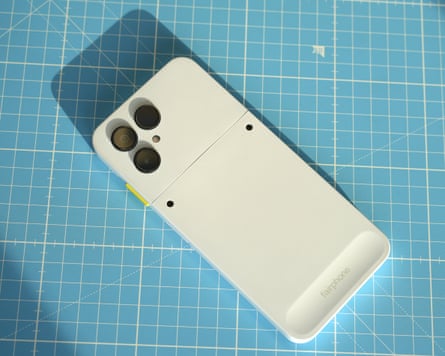
The new Fairphone is slicker than its predecessors, with a modern, 6.3in 120Hz OLED screen on the front and a recycled plastic body that feels solid and high quality. It looks great in its off-white colour as tested, but also comes in green or black. The phone is resistant against rain and splashes but not immersion, so don’t drop it in a bath or swimming pool.
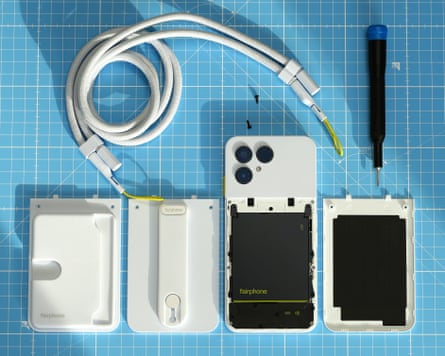
The back plate is held in place by two exposed Torx screws and hides the battery and other modular components, which can simply be unscrewed and replaced at home if needed.
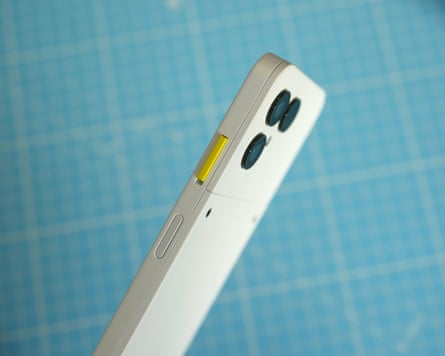
The power button doubles as fingerprint scanner, but it is quite slim; and being flush with the side makes the task of pressing it harder than necessary. Unfortunately, the volume buttons are directly opposite the power button and precisely where you place your fingers for grip, which leads to frequent accidental presses that trigger either unwanted screenshots or the power-off and restart menu. They are also very easy to hit accidentally when pulling the phone out of a pocket, ramping up the volume unnecessarily.
Above the power button on the right side is a big, colourful switch that turns on Fairphone’s “Moments” minimalist interface, which blocks notifications and swaps the standard Android home screen for a simple list of essential apps. It’s a smart idea for those hoping to reduce distractions. But swiping up to exit an app shows the regular home screen for a split second, making it feel like a hack. The switch can be repurposed for other features, including activating “do not disturb” or the torch.
Specifications
-
Screen: 6.31in 120Hz FHD+ OLED (431ppi)
-
Processor: Qualcomm Snapdragon 7s Gen 3
-
RAM: 8GB
-
Storage: 256GB + microSD
-
Operating system: Android 15
-
Camera: 50MP main, 13MP ultrawide, 32MP selfie
-
Connectivity: 5G, eSIM, wifi 6E, NFC, Bluetooth 5.4 and GNSS
-
Water resistance: IP55 (splash/rain)
-
Dimensions: 156.5 x 73.3 x 9.6mm
-
Weight: 191.4g
Mid-range power with expandable storage
The Fairphone 6 has the same mid-range Qualcomm Snapdragon 7s Gen 3 chip as the Nothing Phone 3a Pro, which can’t rival the best phones for raw power but generally feels fast enough in use. It will handle light gaming and most tasks but will struggle with more advanced titles. The phone has 256GB of storage and a rare microSD card slot for adding more.
The battery life is reasonable if not remarkable, lasting about 35 hours between charges with the screen actively used for about four to five hours across 5G and wifi. The Fairphone should see out most heavy-use days, but will need charging nightly.
Sustainability
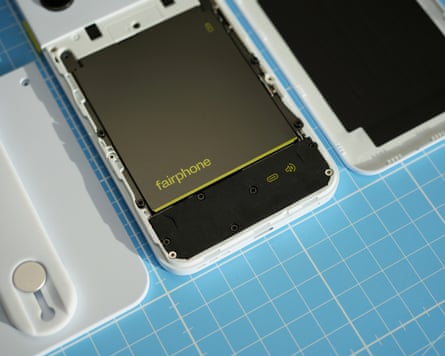
The battery will maintain at least 80% of its original capacity for 1,000 full charge cycles and it can be replaced at home using a single screwdriver, along with the rest of the 12 modular components. Batteries cost £35, screens £78 and the main camera £61. The phone was awarded 10 out of 10 for repairability by the specialists iFixit.
The handset is made with 50% recycled or fair materials, and Fairphone publishes its lifecycle report.
Barebones Android 15
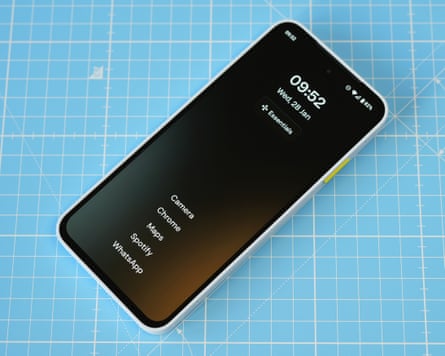
The phone either runs regular Android 15 with Google services, as reviewed, or a privacy-focused, open-source version of Android, without Google services, called /e/OS. Unfortunately, that means the Fairphone 6 isn’t running the latest version of Android 16, but it will be supported with updates until 2033, which is about a year longer than the best mainstream phones.
The software is generally uncluttered with little in the way of customisation, which for the most part is a good thing. But it is a little rough around the edges and lacks a few of the bells and whistles that Samsung, Google and others add to their software.
It is notably devoid of the artificial intelligence that has been shoved in every crevice by other phone manufacturers. It has Google’s Gemini chatbot assistant, but without the ability to activate it via voice while the phone is locked. The Fairphone also misses out on Google’s excellent Circle to Search feature common to most other phones, which is a bit of a shame.
Recent updates have fixed some of the bugs, including one in which the screen stuttered and stalled after being turned on from standby. But the software still lacks the level of polish you should expect.
Camera
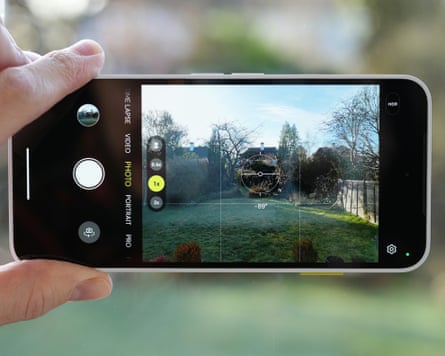
The Fairphone has two cameras on the back and one selfie camera in the screen. The main 50-megapixel camera shoots good photos in bright light, but it struggles with high contrast scenes, often misjudging the white balance or looking washed out. The night mode is usable but not as good as you’d expect from a modern smartphone.
The 2x digital zoom is reasonable but stretching to 10x causes the photos to become full of artefacts. The 13MP ultrawide camera produces pretty good photos in decent light, with solid detail in the middle of the frame even if they are a little soft at the edges. The macrophotography mode can produce great closeup images with a bit of practice, and the 32MP selfie camera takes good photos for the money.
The Fairphone 6 easily has the best camera the company has made and gets the job done, but it can’t hold a candle to similarly priced rivals.
Price
The Fairphone Gen 6 costs £499 (€599).
For comparison, Google’s Pixel 9a costs £499, the Nothing Phone 3a Pro costs £449 and the Apple iPhone 16e costs £599.
Verdict
The sixth-generation Fairphone takes the company further into the mainstream with a solid, mid-range Android with all the perks of a modular, repairable and more ethical design.
It trades a few premium features for a lower price than its predecessors, but still has a good screen, great looks and reasonable battery life. It even has a microSD card slot for adding more storage, which is incredibly rare in 2026.
The camera is serviceable, though far from the best you can get for the money. The software is basic Android 15, which is unfortunately not the latest version, a little rough around the edges and devoid of AI tricks other than Google’s Gemini chatbot. But Fairphone is slowly fixing bugs and will provide support until 2033. The distraction-free Moments mode switch is a good idea, too. The chip is fast enough now, but it isn’t the most powerful and may become pretty tired after eight years of use.
The fingerprint scanner is not the best and the power and volume button placement is an irritating design flaw. While few phones offer as repair-friendly a design, more mainstream devices offer almost as long software support as the Fairphone.
The Fairphone 6 is the best, least-compromised phone the company has made. But things have improved in the rest of the industry, with better access to repair and longer software support, making the Fairphone tough to recommend for everyone over mainstream devices.
Pros: modular accessory support, repairable-at-home design, software support to 2033, recycled and fair materials, microSD card slot, good screen, five-year warranty,
Cons: mid-range performance, fingerprint scanner and volume button placement annoying, average camera, cannot be submerged in water, no Android 16 yet and software is a little rough around the edges.