3 months ago
105
3 months ago
105
Minneapolis is in a state of chaos. Since federal immigration agents flooded the region weeks ago, daily life has been destabilized in ways residents say feel unprecedented.
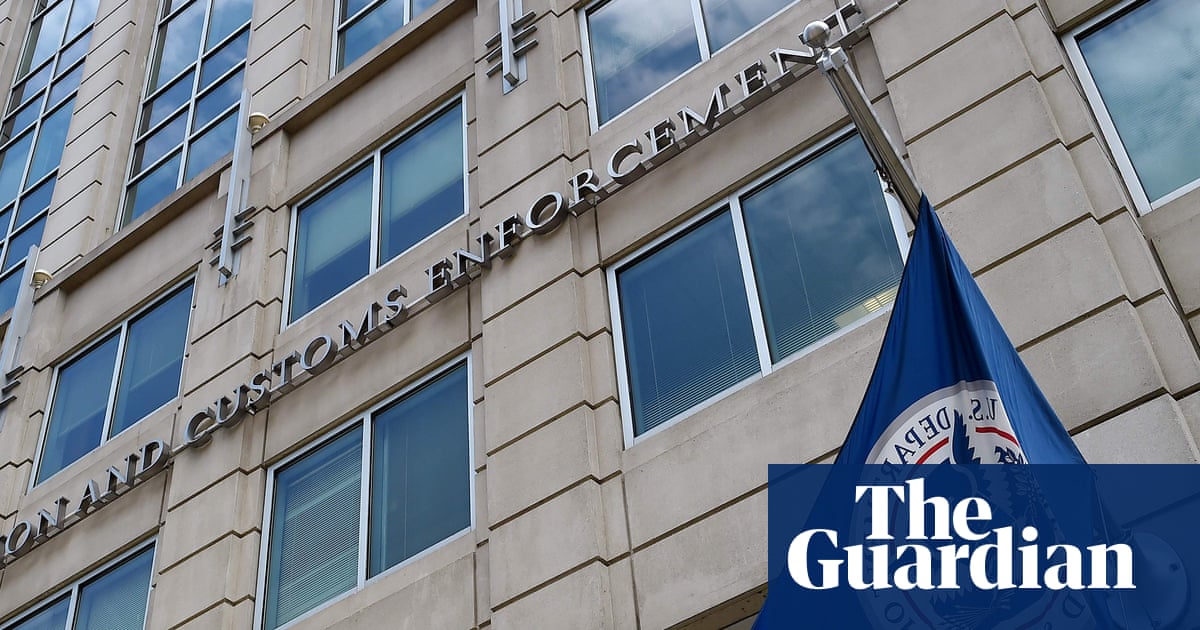
The president’s super-sized immigration force has now killed two people in the Minneapolis metro area since “Operation Metro Surge” began in December. Nearly three weeks after an Immigration and Customs Enforcement (ICE) agent shot Renee Nicole Good in the face, armed federal authorities on 24 January killed Alex Pretti, a 37-year-old Veterans Affairs nurse, who witnesses say was trying to intervene after seeing agents treat another person harshly.
Multiple witnesses described Pretti’s killing as sudden and unnecessary. Ilhan Omar, a congresswoman from Minneapolis, said this “appears to be an execution by immigration enforcement”. Other representatives from the state, such as Omar Fateh, a Minnesota state senator, used the same language. Pretti, along with Good and Los Angeles resident Keith Porter Jr, have within the last month become the latest to lose their lives because of ICE.
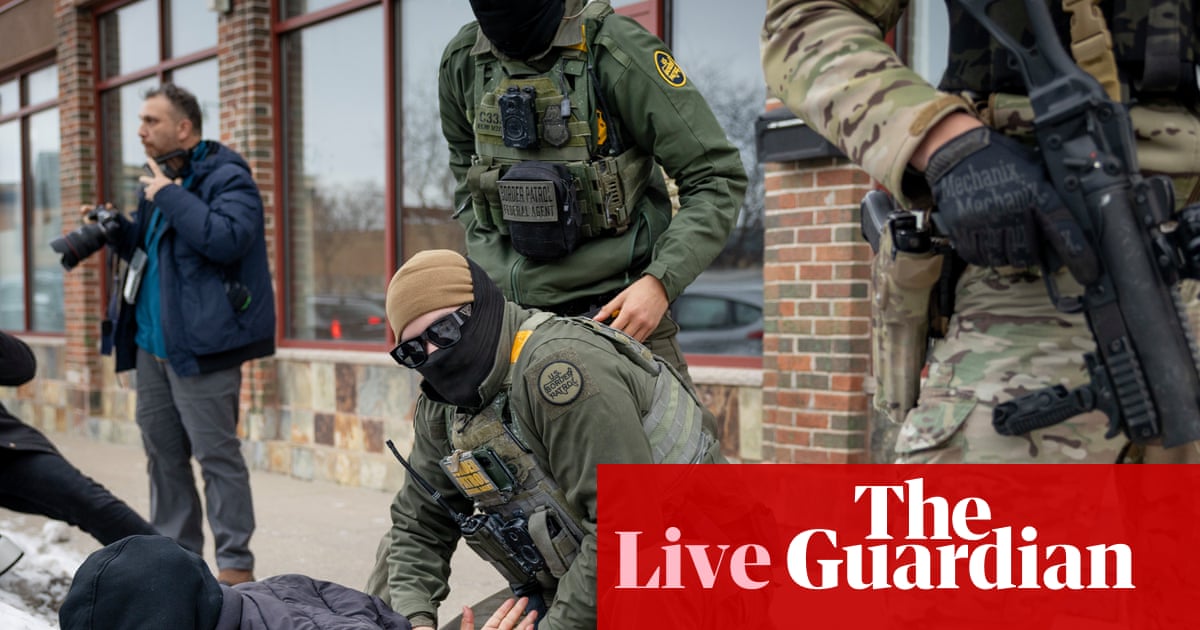
Since “Operation Metro Surge” began, schools have reported steep attendance drops. Businesses have shuttered or reduced hours. Residents avoid public spaces. Civil rights groups say federal agents have turned daily life into an occupation, appearing at schools, places of worship and grocery stores while detaining people at traffic lights and bus stops. Federal authorities detained at least two children in the area whose families were seeking legal asylum, using five-year-old Liam Ramos as bait to lure his family outside – his father was apprehended – and detaining a two-year-old girl.
The disruption has even affected the operation of local government. Brian O’Hara , the Minneapolis police chief, warned that ICE’s tactics are “obviously not safe”, complicating local policing and public safety coordination – and a suburban police chief complained ICE officers were stopping off-duty officers of color. Hospital workers told the New York Times agents were “barging into patient care areas trying to question or detain patients”. Employers report sudden labor shortages. Mutual-aid networks have had to replace everyday services, public or private, just so that immigrant families can get groceries and medicine without fear of capture.
What we’ve been watching in Minnesota is proof that racist ideas lead to racist policies – and those policies produce bad, dangerous governance that affects everyone. Grievance governance does not stay confined to its targets; it corrodes the state itself. Hatred cannot govern a country effectively.
Minneapolis is home to the largest Somali population in the United States. One of Trump’s fiercest congressional critics, Omar was born in Somalia. The president has found a convenient bogeyman in one of the world’s most conflict-affected and displaced peoples.
Rather than acknowledge their humanity, Trump has called Somali immigrants “garbage”, deemed Somalia one of several “shithole countries”, and recently suggested Somalis “destroyed” Minnesota. His administration recently moved to roll back temporary protections for Somalis. The president also weaponized a rightwing influencer’s sensationalized claims about Somali-run daycare centers to justify a federal surge.
Trump has also described migrants as “animals” and claimed they are “poisoning the blood” of the nation. His administration targets cities with large Black, Latino, Asian and Indigenous populations while attacking diversity initiatives as discriminatory.
His lieutenants echo him. Top aide Stephen Miller has long argued immigration reshapes the nation’s identity for the worse. JD Vance, the vice-president, has warned of Europe’s “civilizational suicide” through immigration and amplified false claims about Haitian migrants in his (and my) home state of Ohio. What we are witnessing now is not rhetorical excess – it is rhetoric translated into state power, and even death.
Demographic panic is now being expressed not just with votes, but with federal badges and firearms. To boot, in a letter released this week, Pam Bondi, the attorney general, warned Minnesota officials that federal operations would continue unless the state turned over voter-registration data. The line between immigration enforcement and electoral coercion is collapsing in real time. That isn’t just chaotic; it’s democratically destabilizing.
History tells us why. Racial grievance has repeatedly served as American statecraft: a way to fracture democratic coalitions, justify coercion and translate prejudice into policy. After Reconstruction, white supremacist elites balanced racial terror with laws that legitimized segregation and fractured working-class alliances. The Southern Strategy refined racial grievance as electoral politics. The “war on drugs” replaced public health with punitive spectacle, producing mass incarceration without solving addiction.
Grievance politics is not just morally corrosive, but also institutionally incompetent. Government is supposed to work for all people, and a racist one works for none.
New analysis by Tom Wood, a political scientist at Ohio State University, shows that in 2024, lower-income white voters were more likely to back Trump than wealthier whites, a historic reversal of class-based voting patterns. Grievance now outperforms material self-interest in American elections. In American politics, resentment now routinely beats material interest – and governance pays the price.
A year into Trump’s second presidency, the toll is human and economic alike. More Americans appear to be noticing. A Guardian analysis of his first year back in office shows immigration enforcement surged while job growth softened and household electricity prices rose despite campaign promises. Approval ratings have slipped, even among Republicans.
By operationalizing bigotry, this president is not making the country safer. He is making it smaller.
We must be organized, coordinated, and unrelenting as we sift through the rubble to build something better. Resistance and reconstruction are not mutually exclusive. In a democracy under strain, they are inseparable.
-
Jamil Smith is a Guardian US columnist