3 months ago
155
3 months ago
155
Having lived through the “matcha revolution”, I’ve become used to giving unfamiliar drinks a go. From bubble tea to pumpkin-spiced lattes, coffee tonic to ube frappes, I’ll try anything twice and – compared to those beverages – horchata feels like a more palatable prospect. The refreshing yet creamy cold drink from Spain and Mexico is often compared to cereal milk, which has also gained popularity as a flavour in its own right and is increasingly cropping up on menus elsewhere.
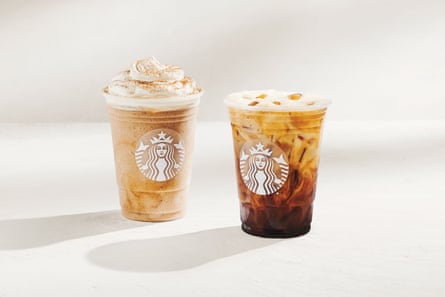
Last month, Starbucks announced that, in the US, an iced horchata shaken espresso would be returning to its summer menu (this year joined by a new horchata frappuccino), having outperformed all previous seasonal iced shaken espresso beverages by an impressive 44%. In the UK, where horchata is less commonplace, I started spotting “dirty” versions, with added espresso, on coffee shop menus, alongside “dirty chai”.
It wasn’t long before the algorithm took over and my Instagram/TikTok feeds filled with recipes for how to make my own – usually Mexican-style, which blends rice and cinnamon soaked in water with vanilla and sugar. Traditionally, it’s part of the dairy- and alcohol-free “aguas frescas” family, but many modern recipes add milk. Spanish horchata is typically made from soaked, ground and sweetened tiger nuts – which are not nuts at all, but tubers – and is often served alongside “fartons”, cigar-shaped Valencian pastries.
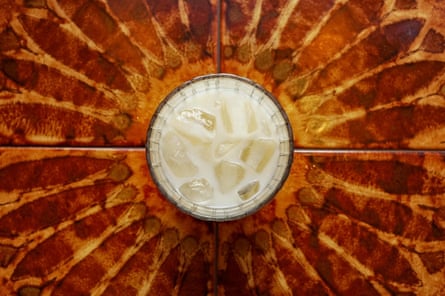
Keen to try it, I head to Mestizo Mexican market in Camden, London, in search of what I hope is authentic horchata. For £6.50, I pick up a bottle of Mexquisita horchata concentrate – enough to make 5.6 litres, which seems like a lot. Confident in my ability to get it wrong, I also purchase a freshly prepared version. Adriana, who whips up my beverage, tells me it’s a popular drink with her and her friends – they like to add evaporated milk and top it with crushed walnuts. It’s cool and sweet and smooth – easy to gulp down on a hot day and reminiscent of chai, especially the cinnamon dregs, but without the black-tea caffeine kick.
Over the last three months up to publication, UK Google searches for “what is horchata” have risen 30%, while searches for “mexican horchata” are up 20%. Worryingly, “horchata BuzzBallz” (yes, it exists) has been deemed a “breakout” term, meaning searches are up by more than 5,000%.
“I predicted exactly this for horchata,” says Sabina Palermo, founder of Hi Cacti in Brighton, which started out as a Tex-Mex-inspired cactus shop. “In Mexico, it’s very popular for children, so it’s usually quite a nostalgic flavour.” After 10 years, she recently “pivoted the business” and started serving coffee and other drinks, including horchata lattes (hot and iced; £4), horchata matcha, horchata chai and coconut horchata. The list, she says, keeps growing: “Today, we played around with adding rose syrup to the horchata latte.”
It’s not just coffee; horchata has been getting the cocktail treatment, too. In west London, Latin American-inspired cocktail bar Viajante87 offers a “horchata colada”, blending the milky mix with rum, while Edinburgh’s Tapas3 offers a “horchata martini” using the Spanish variation of the drink. At Motley, Manchester, the Millionaire Shortbread 12 cocktail blends Disaronno, Licor 43 Horchata, biscuit and cream to create “dessert in a glass”.
Restaurant group Wahaca has long featured horchata on its soft drinks menu, and last year included a “tipsy horchata” with rum on the cocktail list, which outsold its more traditional sparkling wine-based cocktail. “It is also delicious with a dash of tequila added to it,” says Wahaca co-founder Thomasina Miers. “It is incredibly refreshing, particularly in hot weather, and goes beautifully with spicy food.”
Tacos Padre, a Mexican taqueria in London’s Borough Market, started doing a series of horchatas at the start of this year: a new horchata every month for £2.50 each. “People really love it, big time,” says owner and head chef Nicholas Fitzgerald. So far, they’ve had a plain horchata, a roasted version, chocolate horchata and black sesame horchata. They are about to launch a melon-seed one, which he says has more of a comforting, rice pudding-esque flavour. “People went nuts for the black sesame one,” he says. “It’s kind of a niche thing but people who have had it before are absolutely delighted to see it on the menu.”
Elsewhere, horchata is being used in desserts outright. At Condesa Tapas in Covent Garden, London, a pan de elote (Mexican cornbread) comes with a horchata foam, while Glasgow’s Topolabamba offers horchata ice-cream, supplied by Dundee gelateria Crolla’s. “I sometimes describe it as tasting like an old-school Caramac bar, or vanilla with burnt caramel and a little bit of cinnamon in there,” general manager Hannah tells me as I tuck in. It’s super creamy and unrelentingly sweet, with less of the spiced flavour of the drink. It’s delicious, but I struggle to finish the two hefty scoops.
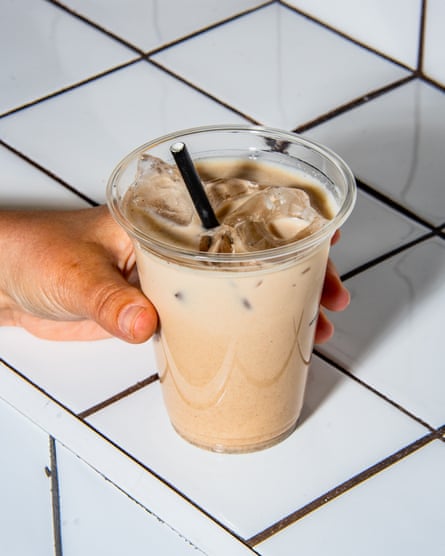
Back home, I set about recreating the drink: 240ml of concentrate mixed with 1.6l water, as per the bottle’s instructions. I give it a stir, then pour over ice. The resulting drink is noticeably thinner than the version made for me by Adriana. It’s a real sugar rush. I’d just hit a 4pm slump; now I feel as if I’ve downed an energy drink.
In the UK, Spain’s tiger-nut horchata appears less prevalent – but dairy alternative brand Rude Health launched a tiger-nut drink in 2017, which is available in supermarkets. Interestingly, it also uses rice, but blends it with organic tiger-nut butter (plus water and sea salt). Its recommended “twist on traditional horchata” recipe doesn’t require added sugar, and the result is creamy – a little like almond milk – slightly spiced and far less sweet. Maybe not sweet enough? I add a shot of rum, for balance. Perfecto.
“I moved to England 20 years ago and since then the rise in interest in Mexican culture, Mexican tourism, has massively increased,” says Palermo, who is originally from Austin, Texas. It’s true that Mexico welcomed 16.5 million international visitors by air between January and October 2025 – including more than 370,000 from the UK, a 3.2% increase over the same period the previous year. “People are travelling there, experiencing all the colours and the flavours, and you can’t help but get sucked into it,” she says.
Which reminds me: I’ve still got more than half a litre of horchata syrup to get through. So I set about making a horchata-based dessert using Food52’s spicy horchata flan recipe, one of the only recipes I found to incorporate the concentrate, rather than horchata made from scratch. It looks – and indeed tastes – like a giant creme brulee: silky smooth, caramelly, the horchata syrup standing in for caster sugar in the egg mix, with far less sickly results than some of the other concoctions I’ve tried.
I serve it to guests who compare it to Basque cheesecake and it quickly disappears; a horchata hit! And just under half the bottle still to use. Black-sesame horchata margarita, anyone?