2 months ago
52
2 months ago
52
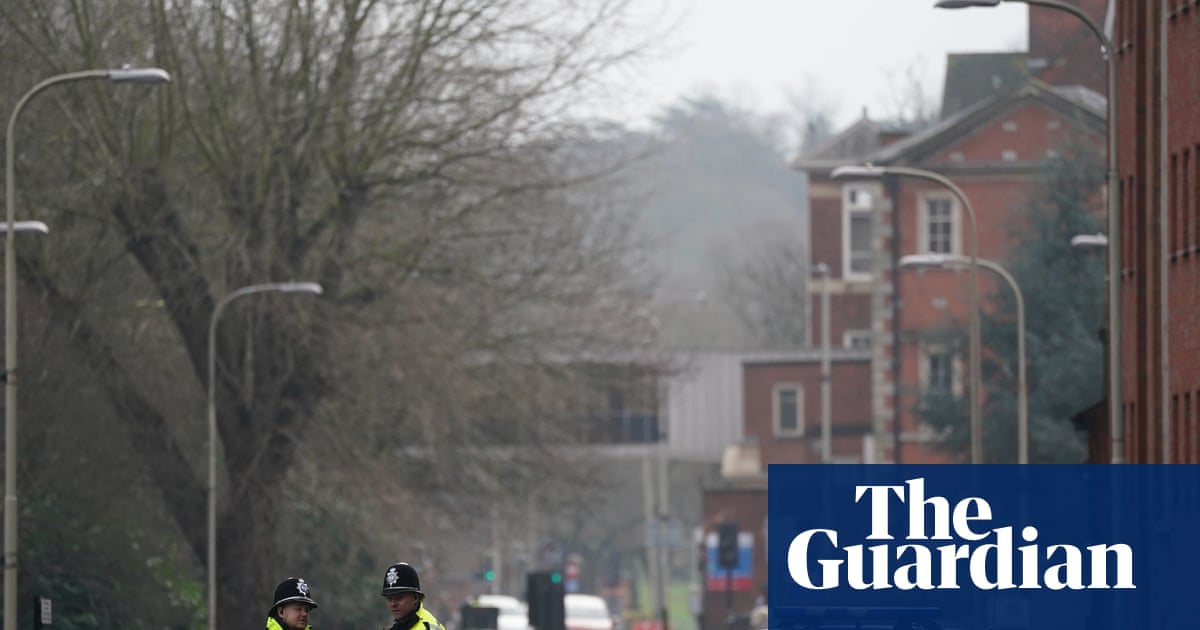
Race discrimination employment tribunal claims brought by Metropolitan police officers and staff more than doubled in the last financial year, the Guardian can reveal.
The figures show a 108% increase in racism-related claims compared with the previous year, reaching the highest level recorded across the past five years.
The Freedom of Information request covered new claims lodged between 2019 and 2024 in which race discrimination or racism was cited. While numbers fluctuated year by year, the 2023-24 period saw the steepest rise.
Leroy Logan, a former Met superintendent, told the Guardian that he had been contacted by a number of serving officers who feel they are facing increased disciplinary action.
He suggested that the Directorate of Professional Standards (DPS) was targeting Black staff to help generate the dismissal figures underpinning the Met’s public drive against misconduct.
“It’s quite clear from the data that, since the commissioner has had this real war on sexist, misogynist and other criminally minded officers, he’s allowed the [DPS] to ride roughshod throughout the organisation,” he said.
“They’re not being as objective as they should be. Consequently, Black officers – African, Caribbean and Asian officers – are being more focused on than white officers.”
College of Policing data shows the Met dismissed 183 officers in the year to 31 March 2025, out of 735 dismissals recorded across UK forces.
According to the FoI response, only a small number of those who challenged their dismissal were successful across the last five years. Most cases ended in withdrawals, settlements, strike-outs or judgments in favour of the Met. The force noted that tribunal cases can take months or years to conclude.
The rise in claims follows sustained scrutiny of the Met’s internal culture, including the Casey review and investigations into racism, discrimination and misconduct. It also comes after the 30 Patterns of Harm review, commissioned by the Met, which concluded that anti-Black racism is “baked into institutional design”.
In October, the Guardian revealed the report’s existence and that the force had delayed its publication for months. It was released in November after pressure from Black staff. The review is understood to be the first internal inquiry commissioned by the Met specifically examining anti-Black racism within its structures.
The Met said it was working to improve internal culture, recruitment and promotion processes, highlighting steps taken since the Casey review, including the publication of new organisational values. It said rebuilding culture in an organisation of its size “takes time” and was ongoing.
When approached about the rise in tribunal claims, a Met spokesperson said: “We have been clear we have much more to do to tackle the systemic, cultural, leadership and regulatory failings that have allowed racism to put down deep roots in the Met.
“We want to be an anti-racist and actively inclusive organisation, creating a workplace that is accessible to all and where everyone can thrive.”
after newsletter promotion
Since becoming commissioner three years ago, Mark Rowley has said he is determined to root out corrupt officers. Last month, he described his efforts as “the biggest corruption clear-out in British policing history”, claiming that 11 officers or staff were being forced out each week.
Rowley’s comments followed a BBC Panorama investigation into racism, misogyny and officers boasting about the use of force at Charing Cross police station.
Up until that point, the Met had repeatedly promised change after the murder of Sarah Everard by a serving officer, stating that about 1,400 officers had been dismissed or had resigned under its strengthened misconduct process. The Panorama investigation suggested that a toxic culture persisted inside the force and that discriminatory attitudes had not been eradicated but pushed “underground”.
The Met denied allegations of targeting Black staff while protecting white colleagues. A spokesperson said: “There is no deliberate targeting of Black colleagues or others from a diverse background, nor any protection for white officers and staff. However, we know there is disproportionality in misconduct processes and that is a concern for the Met, our staff and wider communities.
“We have been working hard to understand and mitigate this, putting in place a number of measures to safeguard our processes, but there is more to do to meet our commitment to tackle all forms of discrimination in our organisation”.
Responding to the FoI data, Diane Vincent, chair of the Metropolitan Black Police Association, said: “The result from the FoI request, 30 Patterns of Harm, BBC Panorama, Casey, are all evidence to support what we have been saying for a very long time.
“The fact that new reports on structural racism continue to emerge suggests that past recommendations have not sufficiently addressed the structural and cultural problems. The signal these reports send is strong, and their criticisms are deep, pointing to systemic issues rather than one-off problems.
“If we [are to] build trust and confidence, if we are to represent the community we serve, if we are to retain our Black, African, Caribbean and Asian workforce, then we need to do better than this.”