3 months ago
138
3 months ago
138
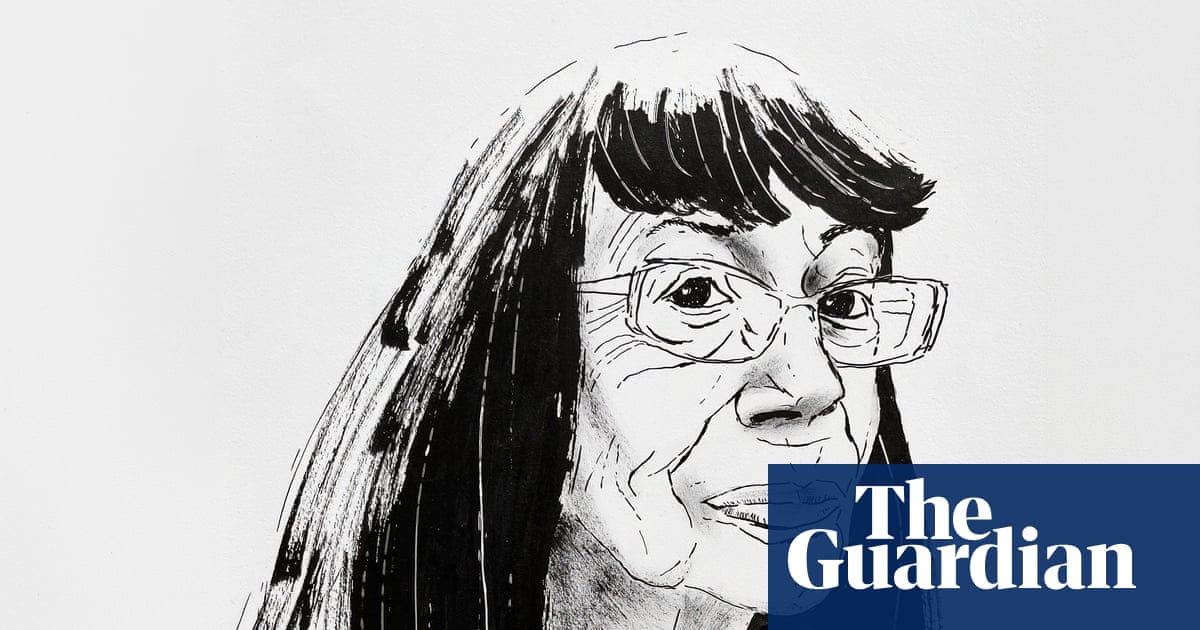
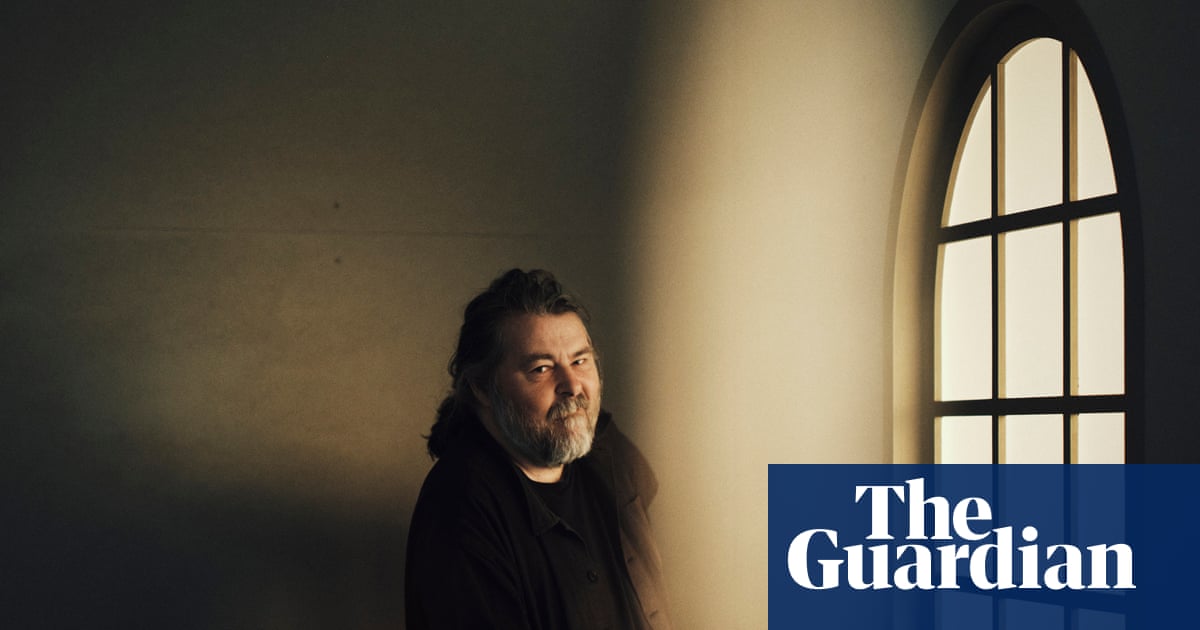
Mohammed Hanif’s novels address the more troubling aspects of Pakistani history and politics with unhinged, near-treasonous irreverence. His 2008 Booker-longlisted debut, A Case of Exploding Mangoes, was a scabrously comic portrait of General Zia-ul-Haq in the days leading up to his death in a suspicious plane crash in 1988. Masquerading as a whodunnit, it was a satire of religiosity and military authoritarianism. Dark, irony-soaked comedy that marries farce to unsparing truth-telling was also the chosen mode for other vexed subjects, from violence against women and religious minorities in Our Lady of Alice Bhatti to the war machine in Red Birds.
Hanif’s prickly new novel confirms his standing as one of south Asia’s most unnervingly funny and subversive voices. The story kicks off right after ousted socialist PM Zulfikar Ali Bhutto is put to death by army chief turned autocrat Zia. Following the execution, disgraced intelligence officer Gul has been posted to OK Town, a sleepy backwater where he “would need to create his own entertainment and come up with a mission to shine on this punishment posting”.
He’s in luck, sort of. Bhutto’s sympathisers, the so-called “jiyalas”, are heartbroken and angry; many believe he is still alive, that the military government is hiding him, and some, to Gul’s horror, are setting themselves on fire. Gul sets to work, quashing protests. Known as “Piston” among his peers, he has another reputation to uphold, and he does so with equal commitment, never mind that a woman is carrying his child.
Meanwhile, trouble is at the door of Sir Baghi’s Rebel English Academy, a tuition centre for basic English tucked within the compound of the local mosque. Imam Molly brings an unexpected visitor, Sabiha. Sabiha’s husband has just died in a mysterious fire; her parents, Bhutto loyalists, are political prisoners; she has a pistol and, worse, an attitude. Could Baghi put her up for a while? Beholden to Molly in more ways than one, Baghi is not in a position to refuse.
The academy is a place of learning, and to remain there Sabiha must live as a student: “Write what the other students write,” he tells her. “But remember you are no ordinary student: you are a witness to history.” Thus begins a series of first-person chapters, “homeworks” threaded through the main narrative, in which Sabiha recounts her tragic life story and names the perpetrators. Already suspect as a lapsed Marxist and a gay man with a dangerous cruising habit, Baghi now also shelters a fugitive who is desirable to the thuggish Gul.
Smart, taut and electrifying, the tale fuses slapstick and the fun of a cat-and-mouse thriller with the serious reckoning work of a state-of-the-nation novel. It powerfully confronts rape culture, media censorship and the suppression of dissent. One of its achievements is to reclaim hearsay and gossip from the margins of formal politics and make them integral to its narrative engine, effectively dramatising how they can unsettle the monopoly of state-sanctioned truth, and testify to the pressures of enforced silence.
Running through the book is a sly polemic against Pakistan’s pervasive cult of shahadat, or martyrdom. One character (cheekily named Shahid, the Arabic word for martyr) is keen to capture his own self-immolation on video, while the perpetually lustful Gul pretends to be a soldier, “bored in the trenches, ready for martyrdom”, to lure women to his bed. Hanif’s critique is multibarrelled, targeting not only corrupt power of various kinds – military, religious, patriarchal – but also the gift of salvation such institutions claim to proffer. His feminism is tough and purposive, while on the subject of faith he is unafraid to violate taboos or flirt with heresy. What preoccupies Hanif is the instrumentalisation of the Qur’an. In his debut novel, Zia treats it as an oracle, riffling through its pages for verses that endorse his grand ambitions. Here, Molly uses it to more carnal ends: to justify taking a second wife, cloaking the exploitation of a vulnerable young widow in the language of righteousness.
Defined by secular and religious convictions respectively, Baghi and Molly function as ideological counterweights. While Molly embraces a kind of religious absolutism, insisting that “my only politics is Allah”, Baghi is animated by doubt, dismissing religion as the “opium of the masses” and seeing it as his mission to liberate countryfolk from the “twin yokes of capitalism and feudalism”. Hanif presents them both as far from exemplary, and while his book resists any trite allegory of the nation, the pair’s relationship, sustained through uneasy accommodation, gestures toward the limits of ideological purity, as well as the necessity of compromise.
Why “Rebel” English Academy? Because for its founder, Baghi, it is where “rebels of tomorrow” are made: children who, while learning English, are taught to doubt and to question; who would be “armed with a language that would pretend to serve power but in the end would smash it”. That canny, insurgent spirit courses through the stories of Sabiha and through every page of Hanif’s remarkable novel. Crackling with incendiary themes and theses, this account of life under authoritarian siege is fiercely local and incontestably universal, harrowing and mutinously entertaining: a sure-fire Booker contender.