2 months ago
132
2 months ago
132
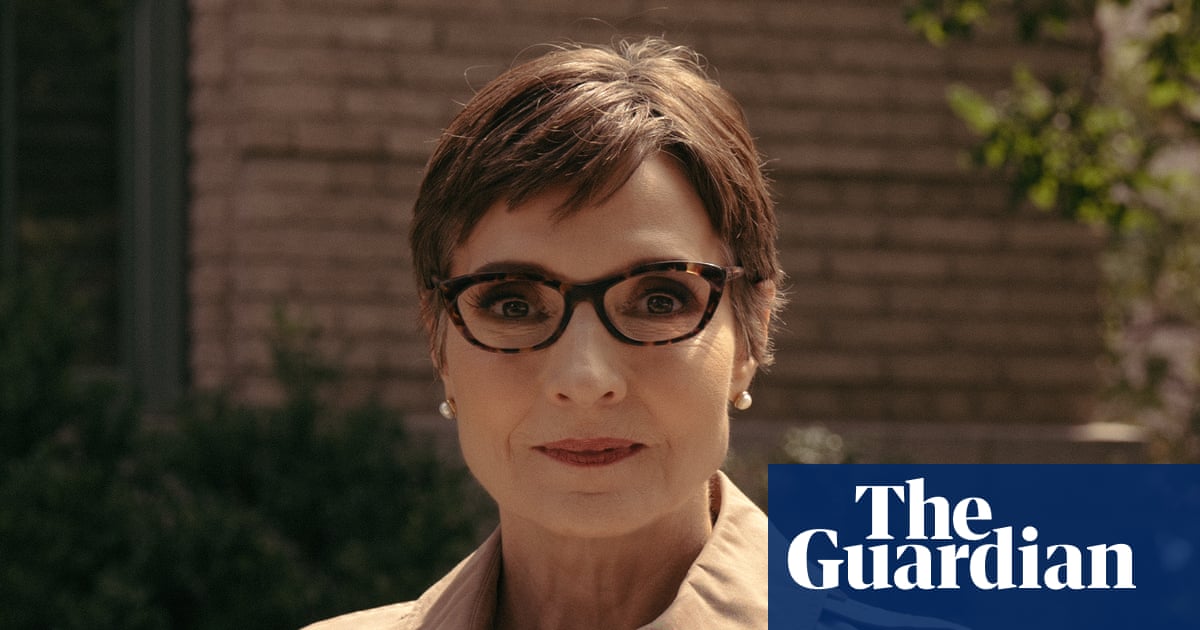
Gaby Hinsliff’s excellent article about the Green MP Carla Denyer (The curse of burnout Britain affects politicians as much as everyone else: give Carla Denyer a break, 26 May) powerfully articulates a reality faced by far too many. As a volunteer taking calls for Headrest, a helpline supporting school leaders, I regularly hear evidence of the pressures she describes.
Many school leaders experience the “moral injury” Hinsliff identifies, particularly around the provision of special educational needs and disabilities, where rising demand too often has to be met from inadequate funding.
Others are burnt out by an accountability system – including Ofsted – whose high-stakes approach and lack of regard for factors beyond a school’s control do more harm than good.
When conscientious but overstretched school leaders and their staff are emotionally broken and mentally burnt out by the very systems that are meant to uphold and enhance standards, something has gone badly wrong.
The Headrest team hear the consequences of burnout in countless calls. Denyer and Hinsliff are right to bring this issue into sharper public focus.
The stigma around burnout must be challenged, and wellbeing support properly funded. If it is not, we risk losing experienced and dedicated professionals prematurely when, with the right support, they could continue contributing their expertise for many years to come.
Pete Crockett
Royal Wootton Bassett, Wiltshire
Full points to Carla Denyer’s doctor. Between 1986 and 1994, I served as a Methodist minister in the ecumenical Salford Urban Mission (Sum) team, concentrating on the area between Seedley and the unimaginatively named central redevelopment area. It was the toughest place I worked in during my 38 years in northern cities and metropolitan districts, with significant levels of deprivation. When towards the end of my time in Salford I spent several months on sick leave, I discovered that just about every professional working in that local community had suffered from some stress-related illness.
Recovery included relearning how to put one foot in front of another to step off a pavement. I was partly saved by the collaborative style of the Sum team and its management. I also had a brilliant GP who inspired confidence by admitting that she could not make a clear diagnosis but was willing to put “AE-type illness” (autoimmune encephalitis) on a sicknote. Sometimes she would take a book off the shelves, point to a page and say: “This might give us a clue.”
Burnout is not just about helping too many individuals. Sometimes it is about trying to get to grips with a structural context in an area with seemingly intractable problems. It is surely no surprise that it is female MPs (and columnists) who are among the best at talking about such matters.
Geoff Reid
Worsbrough, South Yorkshire
It is disappointing that after rightly noting the stressful effects of nursing and teaching, Gaby Hinsliff only mentions social work as an aspect of an MP’s role as opposed to the unrelentingly demanding job that actual social workers do, frequently at much cost to their own wellbeing, but so often destined to remain invisible.
Stuart Hicks
Manchester