3 months ago
140
3 months ago
140
For narrative twists, unforced comedy and high-profile casting, The Celebrity Traitors knocked most televised dramas into a cocked hat, or a fashion cape. We were all swept up, from teens to the retired, magistrates and retail workers, even non-gameshow fans. The show became the national conversation in a way TV pundits no longer thought possible. It was lightning in a bottle. Which would be a cool way of murdering someone.
Why was it perfect TV? On the face of it, it’s a simple format that balances banter and tension, fun games and insidious group dynamics. Bucking the streamer “dumping” model, the BBC drip-fed episodes until we were slavering. Their ace, of course, is Claudia Winkleman – impeccable outfits, iconic hair, sly presenting style. I saw so many Winklemen at Halloween parties this October it was like Being John Malkovich with bangs. But this year the show surpassed even its own standards.
The faithful were, objectively, the worst. They made it their mission to evict anyone useful or loyal, and never missed. But you can’t blame them, given the eccentric nature of the group. There was twinkly, two-faced Celia Imrie – flirting with Jonathan Ross, parping from nerves, talking about putting pussies in wells. Giggling assassin Alan Carr was delicious, gliding merrily along even while unable to pretend to be a faithful with any seriousness. Kate Garraway used the word “flabbergasted” at one point, which no one in any conversation in history ever has. (In response, Tom Daley gave her a side-eye which would take gold in the suspicion Olympics.)
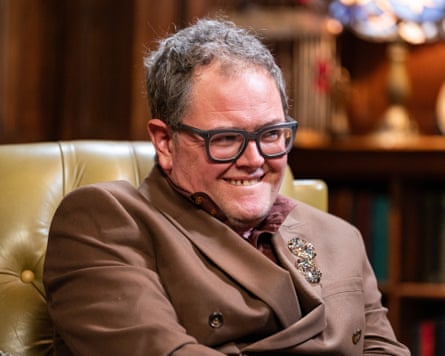
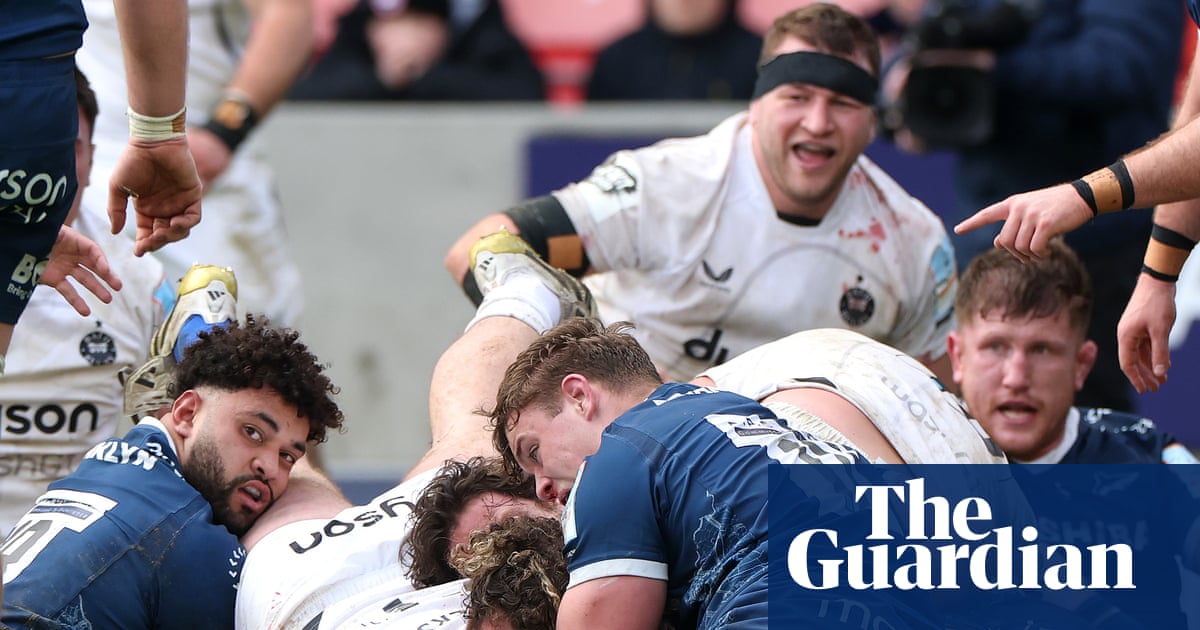
The faithful had their heroes, though. Puzzle-ninja Nick Mohammed, purer of heart than Harry Potter. And his “hundy”, rugby player Joe Marler. They were like David and Goliath teaming up. Roundtables, especially when stuffed with luvvies, are often conflict-aversion dances. (There’s only so many times you can hear “I’m voting for you because you’re clever and would make a brilliant traitor and I love you.”) There was none of that from the Harlequins loosehead prop, who took Traitor-catching personally. If he thought you were one, he would stare at you like Bane. For explanation, he might drag a finger across his throat.
Marler’s “Big Dog” theory – as well as being bang on – was a fascinating insight into patriarchy. There does seem to be something about being a tall, white man in his late 60s that means people defer to you. It takes a lot to lose your seat at the table – see Jonathan Ross. One couldn’t help but think about our political life. It was like watching the group choose a prime minister. “It’s like playing chess against five-year-olds,” was Ross’s own assessment. A trickster to the end, his final speech was brilliant.
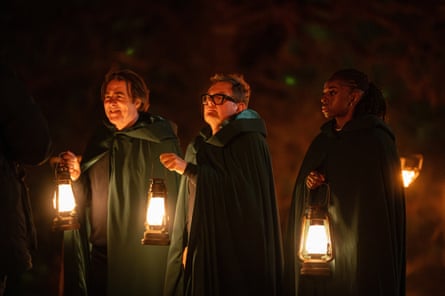
One must give Stephen Fry his due, too. Often with reality shows, I wonder how clever the “clever people” really are. Are they just showbiz smart? But having judged the strategies of the faithful ineffective, Fry put forward an original theory: that the nocturnal traitors would be the most tired members of the group. Cat Burns, the traitor he levelled this at, had to stop yawning and think fast. She disclosed her neurodivergence, and the exhausting necessity of masking it. A risky card to play, but timed perfectly.
You can tell a lot about people by what they respond to in the show. For example, as compelling as the double-bluffs and counterstrategies were, what I like best is that contestants spell each other’s names wrong. Roundtables are brutal enough – imagine having to listen to your friends explain why they think you’re shifty and a liar. Then imagine looking down at their slate, and they’ve called you “Meina” or “Nather” or “Charlot” or whatever. It’s 10 times funnier when the mangled name is “Tom Daylee”.
Unlike me, TV audiences are sophisticated these days. They understand narrative, casting decisions and can tell when a player is being given a “hero edit”. There are podcasts examining the nuances of every interaction on the show. Given such scrutiny, the fact that the producers were able to deliver a gripping finale, and a result that felt shocking, inevitable and completely satisfying, is nothing short of astonishing. They are masters of psychological manipulation. You’d have to say, that’s traitor-ish behaviour.