3 months ago
178
3 months ago
178
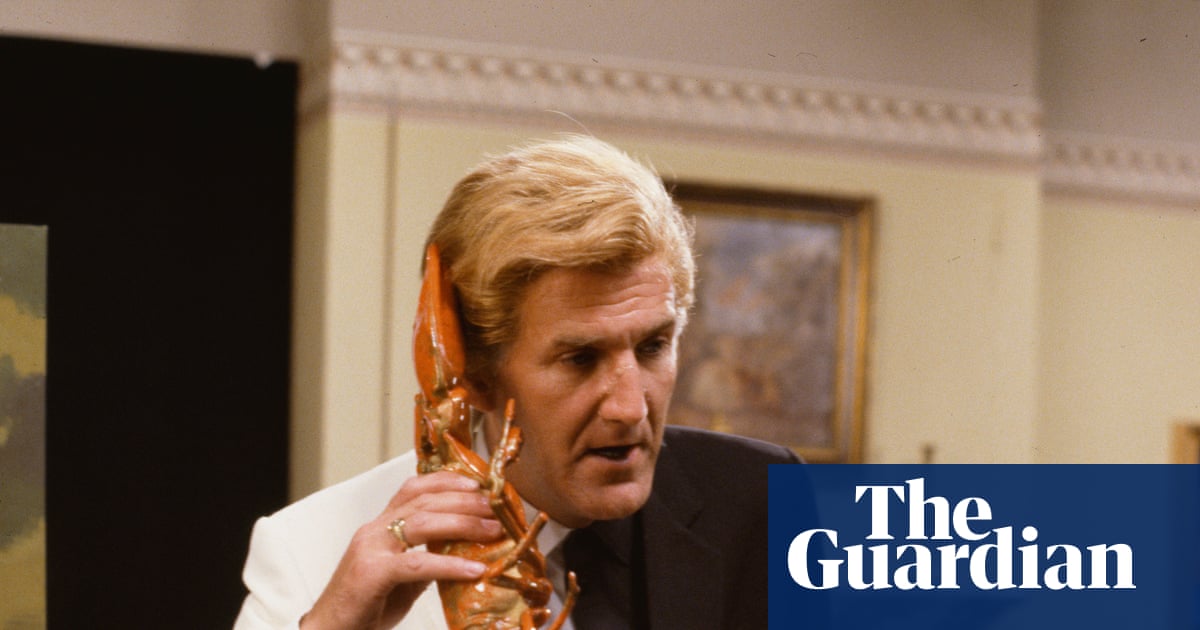
“Retirement is the ugliest word in the language,” Ernest Hemingway said. Writers, like artists in general, aren’t the retiring sort. And what does it actually mean? As the playwright, novelist and former Guardian journalist Michael Frayn quipped 20 years ago, “Nobody comes in and gives you a clock.”
Frayn was 72 at the time. Since then, he has added a further novel (Skios), a play (Afterlife) and two memoirs to a backlist that includes the hugely successful plays Noises Off and Copenhagen (a revival of which has just finished at the Hampstead theatre in London). Now, at 92, that clock has caught up with him. “Sadly it’s over,” he told Radio 4 this week. “Writing has been my life.”
On his 80th birthday earlier this year, Julian Barnes announced that his aptly titled novel Departure(s) would be his last. “I’ve played all my tunes,” he said. Like Frayn, Barnes has been suffering from health issues. But this sense of an ending, to borrow the title of Barnes’s 2011 Booker prizewinner, is more existential than physical.
“The struggle with writing is over,” a Post-it note on Philip Roth’s computer read. Roth, who enjoyed a prodigious late phase, caused a stir after declaring he was “done” in 2012. But the retirement announcement is not a modern phenomenon. Dickens embarked on a farewell tour of readings in his final two years. He was still working on Edwin Drood when he died.
Thankfully, novelists are notoriously unreliable. Maeve Binchy announced her retirement aged 60, but her devoted readership disagreed, and she wrote another six novels before her death in 2012. Stephen King first quit in 2002 when he was 54, but continues to publish a novel a year. Public demand brought back Sherlock Holmes, but rather than kill off Jack Reacher, Lee Child has handed the series on to his brother Andrew Grant, so he can retire peacefully.
Fears of losing relevance or repetition, diminishing stamina or wanting to quit at the “top of your game”, as King put it, are all sensible reasons for a writer to hang up their pen. Some might have been wise to have heeded this advice. But writers aren’t athletes.
The Nobel laureate Kazuo Ishiguro’s much‑quoted maxim that all great novels are completed by writers under 40 should itself be retired. Zadie Smith admitted recently that she mainly reads older female writers for their wisdom, citing 83-year-old Australian novelist Helen Garner as a favourite. Annie Ernaux, Anne Tyler and Margaret Atwood are still writing into their 80s.
Writing is a hard habit to kick. On his deathbed, Henry James’s hand is said to have moved across the counterpane as if he were still working. “I’ve been writing since I could hold a pencil,” Frayn said this week.
Sixty-six years ago this month, at the height of the cold war, he reported on a press conference given by the Soviet leader Nikita Khrushchev. At barely 400 words, it is a masterclass in sketch writing. “Banging out” is an old Fleet Street tradition dating back to the era captured so sharply in Frayn’s 1967 novel Towards the End of the Morning, when colleagues bang machinery (today just their desks) as a long‑serving journalist leaves the office for the final time. Frayn won’t get that clock, but he deserves a thunderous banging out.