3 months ago
163
3 months ago
163
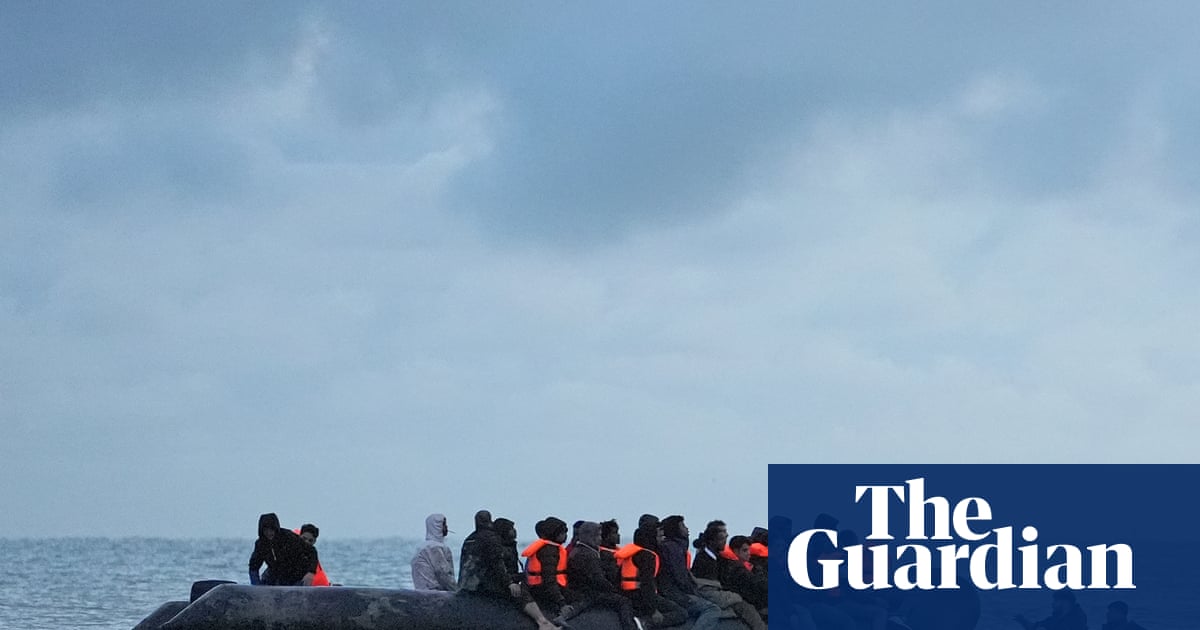
The UK’s first and most longstanding military barracks used to accommodate asylum seekers is closing its doors on Thursday after almost six years.
The closure of the controversial Napier barracks in Folkestone comes at a time when the government has pledged to expand its use of this form of accommodation as an alternative to expensive hotels, which anti-migrant and far-right protesters have criticised for being “luxurious”, but which asylum seekers and those who work with them say are often rundown and unsuitable.
Napier opened in September 2020, around the same time as Penally, a barracks in Pembrokeshire. The latter closed a few months later, but Napier, accommodating about 400 people, weathered multiple storms. Approximately 200 men, half of those accommodated on the site at the time, were infected in a mass Covid outbreak. Then there were far-right protests, fires, hunger strikes and a damning high court ruling that found it failed to meet minimum standards. At one point Kent county council was so concerned about conditions for the men accommodated there it launched a safeguarding inquiry.
Initially, asylum seekers were accommodated there for an indefinite period but the Home Office subsequently introduced a 90-day limit, which the men held there said made their time there more bearable.
Sally Hough, who ran the Napier drop-in centre, which provided advice and support for asylum seekers at Napier, said: “The closure of the camp is a day of very mixed emotions for everyone who has been involved in supporting the residents. For all of us, it has been completely life-changing in a positive way. However, the camp itself, the buildings, the shambolic management, have left their mark on those that stayed there.”
She said things were particularly chaotic in the early months with no drinking water and furniture salvaged from old stable blocks. The men slept in dormitories and some slept outside the barracks in sub-zero temperatures due to fears of becoming infected with Covid if they slept inside close to others. After the high court ruling there was a brief emptying of the barracks while the walls were repainted. But it reopened within days.
“Folkestone is a special place and the fact that former residents return to visit us from far flung places of the UK is testament to that. It became a vital safe space for the men to go outside of the camp, seek advice and see a friendly face in the community,” Hough said. “Just the other day some of the men were volunteering with clearing and controlled burning of scrubland so that the flowers will come back in spring. What a wonderful thing to leave behind for the community.”
Charlotte Khan, the head of advocacy and public affairs at the charity Care4Calais, said: “We’ve supported people at Napier barracks since it opened and we can’t shy away from the trauma it has inflicted upon many, particularly in its early days.
“Our volunteers have done an incredible job supporting the people in the barracks, but we are pleased to see it closing. Frankly, former military sites are not suitable accommodation for refugees who have fled war, torture and persecution. They are retraumatising, and harm people’s health and wellbeing.
“People want, and should, be accommodated in communities, not camps. That should be the final lesson the government takes from Napier.”
A Home Office spokesperson said: “We are furious at the level of illegal migrants and asylum hotels. This government will close every asylum hotel. Work is well under way, with more suitable sites being brought forward to ease pressure on communities and cut asylum costs. We are working closely with local authorities, property partners and across government so that we can accelerate delivery.”
The site will be handed back to the Ministry of Defence by the Home Office in January 2026 and will be redeveloped by Taylor Wimpey as houses and flats.