3 months ago
125
3 months ago
125
There can’t be anyone skirting closer to burnout, more deserving of our sympathy and complicated respect, than the people who conceive Christmas ads. The goal is straightforward: make people feel good about Christmas so that they spend more than they otherwise might. Amp up the love and affection of the season; play down the labour (emotional and otherwise); make everyone feel a bit hungrier and thirstier – job done.
This must be at least the fifth year, though, that the world looks so perilous, so fraught and vexed, so sad and chaotic, that what’s an honest supermarket to do? The retailers weathered the first Covid Christmas, when demand for nut multipacks and pigs in blankets was poignantly low; then they weathered Christmas 2021, when restrictions came back so unexpectedly that it wasn’t unusual for a household to have 14 times as much turkey as they could possibly eat.
Wham, it was the end of 2022, and they were trying to sell excess and indulgence and worry-about-the-bills-tomorrow in the middle of a cost-of-living crisis. From 2023 to the present day, it has felt a bit gross to talk about the joy of family togetherness when so much of the world is wartorn. And I have to say, hats off first and most forcefully to John Lewis. Its ad is absolutely tragic.
It opens on a small nuclear family, atomised by the fact that the teenage kids won’t wash their hair or take their headphones off, and the mum is using her tired, guilt-trip voice to get everyone to clear up. The dad, coiffed to convey the ineffable disappointment of middle age, finds a lone present to himself, somehow missed under the tree. It has a Post-it note instead of a gift tag – this is the bait and switch: you’re meant to think the gifter hasn’t put much thought into it, whereas in fact it’s the most thoughtful gift ever, a vinyl of a club classic that catapults Mr Dad back in time to when he still went out on the razzle. Images of his son as a toddler, then a baby, flood his mind; is there anything as achingly sad as the passage of time? I can now make myself cry at any point, just picturing the intense and mournful love, as he regards his nearly grown offspring and hard-misses all the smaller versions that went before. I’ve never been able to do that before. I could get a job on a soap opera.
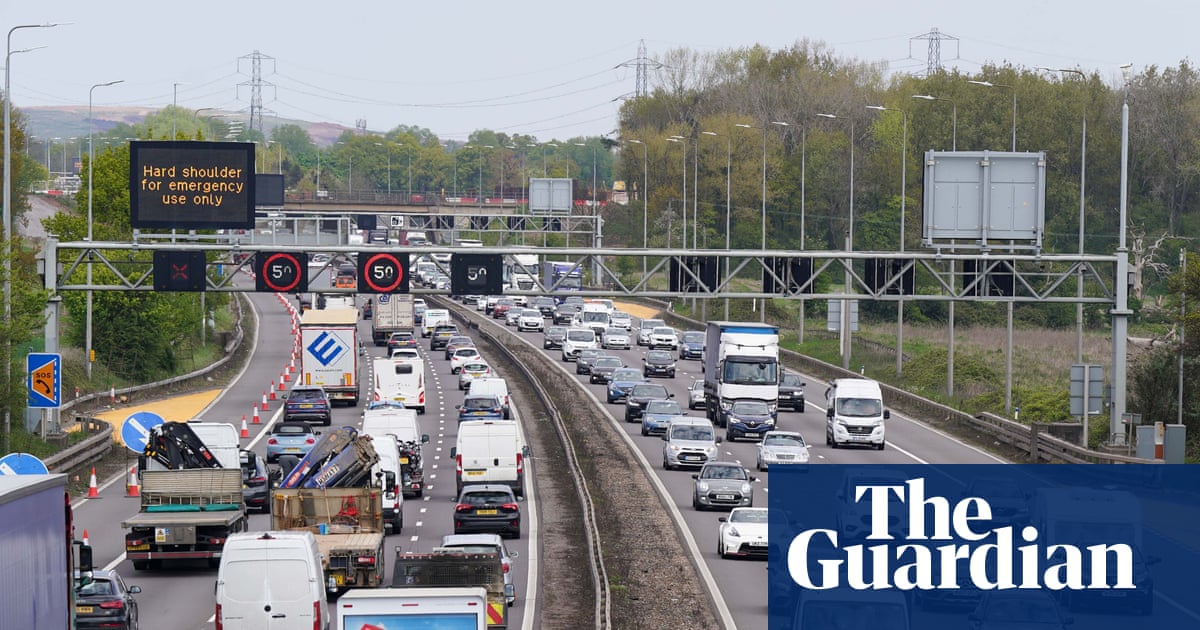
This year’s runner-up is the far more cheerful but, in some ways, equally unvarnished version of Christmas that comes from Marks & Spencer, through the medium of Dawn French. Ah, there she is in a car, singing to Christmas hits. She seems pretty happy, then you pan out – this is not joy. This is a traffic jam. It’s dark, it’s completely stationary, nobody will ever get home. There’s something incredibly, unseasonably declinist about this narrative – a sort of everything-is-broken-and-everyone-is-stuck vibe that you’ll recognise, no doubt, from current affairs. Then the deus ex machina; an M&S van, right there in the queue, its doors swinging open to reveal not just finger food but a cocktail-party-ready scene with room for everyone and a piano. “The world’s gone mad,” says Tom Kerridge from behind a steering wheel, very much echoing what must have been the first concept-meeting: what kind of ad do you make, when the world’s gone mad?
Tesco has said the quiet part out loud, putting out a press release with its ad that said: “We know that Christmas isn’t just about the picture-perfect moments, it’s about everything perfectly imperfect that happens around them too … We want to celebrate the wonderfully relatable chaos that fills homes across the UK.” Sainsbury’s went with surrealism, with a Christmas scene you’d recognise from the ads of the innocent 2010s, only now the family is unaccountably joined by the Big Friendly Giant, who luckily really likes ham.
On top of everything, do people even watch adverts any more? Or are they shouting into the void with these flights of fancy? This only makes the commitment even more impressive.
Zoe Williams is a Guardian columnist