2 months ago
49
2 months ago
49
Crispy roast potatoes, golden yorkshire puddings and perfectly cooked meat (or a vegetarian centrepiece) – there’s nothing like a good roast dinner. But making a roast can be quite a balancing act in the kitchen. There’s a fine art to juggling all the elements: you want to make sure nothing is over- or under-cooked, and that everything is still warm when you come to serve it.
To refine your techniques and help you feel like a pro in the kitchen, we asked top chefs from around the UK about the cooking equipment they rely on to make the perfect roast. Featuring life-changing peelers, roasting tins that make the crispiest potatoes and a temperature probe to help you cook to perfection, these are their recommendations.
Everything you need to make the perfect roast dinner
Knife sharpener
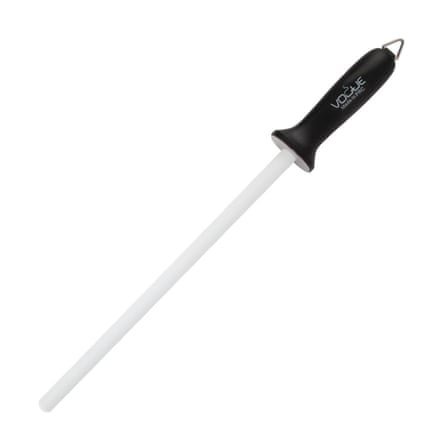
Vogue ceramic steel knife sharpener
One kitchen essential I couldn’t do without is a Vogue sharpening steel. It’s a simple tool that quickly brings a blunt knife back to life. Cooking with a dull knife takes more effort and control, making prep slower and less safe, and that applies just as much to home cooks as it does to professional chefs. A quick hone keeps the blade sharp, giving you clean, precise cuts and real confidence when carving, especially when serving lamb. Taz Sarhane, head chef at Cycene, London
For more, read how to look after your kitchen knives
Cooking press
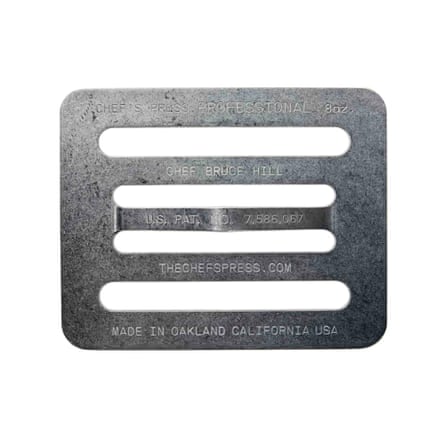
The Chef’s Press, 18oz
When cooking a Sunday lunch, I like to reach for a big cut of meat, such as an on-the-bone ribeye steak – something in the 1kg region, so it’s enough to feed the family. I like to start larger-cut proteins and vegetables in the pan to gain a nice crust and caramelisation before finishing the cooking in the oven. To achieve this, you need a press to hold down the item in the pan for maximum surface area contact and faster cooking. I use the Chef’s Press by Bruce Hill. They come in a variety of stackable weights so you can always find the right configuration for the item you’re cooking. John Chantarasak, chef and co-founder of AngloThai, London
Serving platter
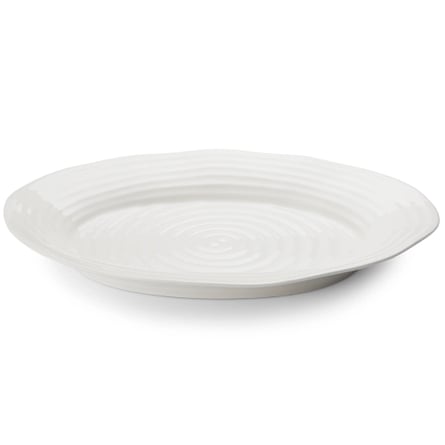
White porcelain large oval plate
A big oval platter brings a sense of occasion and allows everyone to share. It’s also a good way to minimise washing-up. I prefer to use a heavy porcelain platter, which you can place in the oven to warm up before serving. That means the food stays warmer for longer, and a longer lunch is a more enjoyable lunch. Bart Stratfold, executive chef at Timberyard, Montrose and Haze, Edinburgh
Chopping board
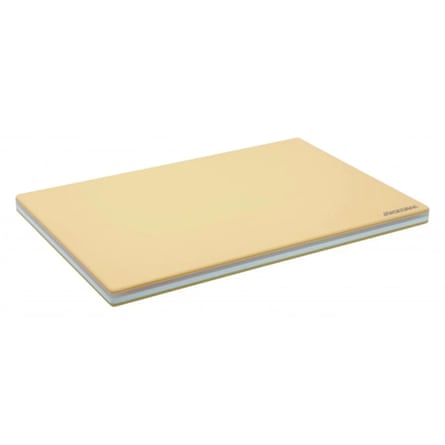
Hasegawa wood-core soft chopping board
You need a proper chopping board. This Hasegawa chopping board is a brilliant long-term investment. It’s much kinder to your knives than a solid plastic board, so you won’t blunt your blade anywhere near as quickly. Sebby Holmes, head chef at Farang, London
Stainless-steel sieve
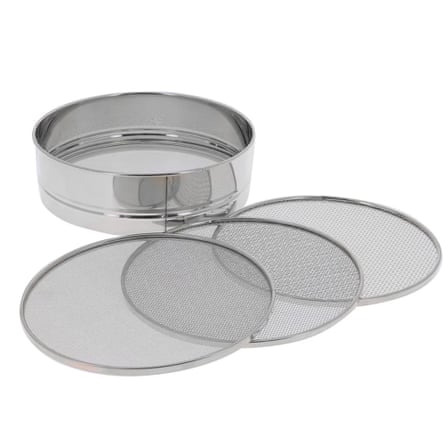
De Buyer sieve with interchangeable mesh
When cooking a Sunday lunch, one thing I can’t live without is a large sieve. When I cook the roast potatoes, I boil them until they fall apart, let them steam, and then shake them in the sieve to get a nice fluffy exterior, before roasting them in duck fat or beef fat. At home, I use my De Buyer drum sieve – it’s the same one I use to mash potatoes or sieve flour – it’s solid and will last a lifetime. Ben Boeynaems, executive head chef at abc kitchens, London
Butcher’s string
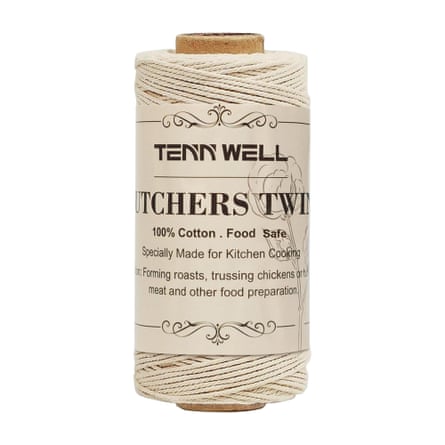
Tenn Well butcher’s string
Natural cotton butcher’s twine – a small but important detail for tying joints neatly so they cook evenly. Nathaniel Mortley, chef and founder of 2210 by NattyCanCook, London
Fat separator
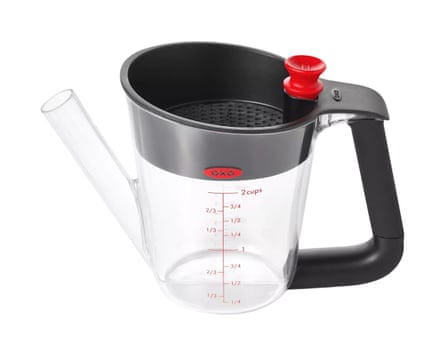
Oxo Good Grips gravy separator, 500ml
A fat-separating jug. This is a useful little kitchen tool that quickly separates the fat from the amazing roasting juices for making your gravies and sauces. You can pour the meat juices back into your roasting tin, saving the fat for something else – big, fat yorkies, in my case. Oliver Gladwin, chef and co-owner of Local & Wild restaurant group
Roasting dish
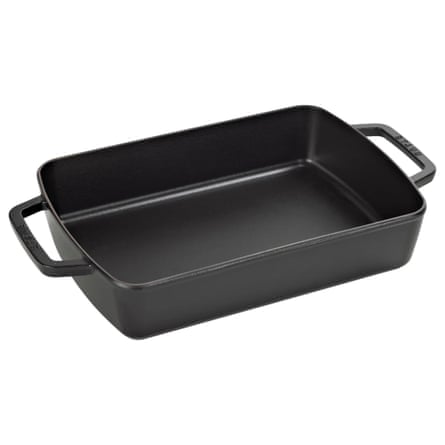
Staub roasting pan
A large roasting pan. A good roast potato needs a heavy-duty, large roasting pan that can hold heat and has enough room to get that perfect crust. A brand I particularly like is Staub. James Knappett, chef-patron of Kitchen Table, London
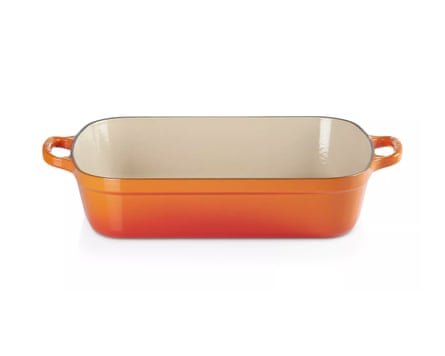
Le Creuset signature cast iron roaster, 37cm
A proper cast-iron roasting dish is essential. It holds heat brilliantly, gives you far better caramelisation on meat and potatoes, and can go straight from oven to hob for making gravy. Matty Grove, head chef at Caper & Cure, Bristol
Peeler
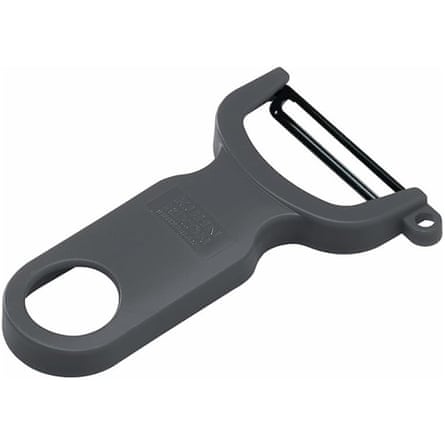
Kuhn Rikon Swiss peeler
Everyone has a peeler, but a good one is a gamechanger. The Kuhn Rikon Swiss peeler is amazing. It’s a good size and weight, making it comfortable to use, and the blade stays sharp for years. There’s lots of peeling involved in a Sunday roast, so a good peeler is a real time-saver. Matthew Ryle, executive chef at Maison François and Café François, London
Yorkshire pudding tin
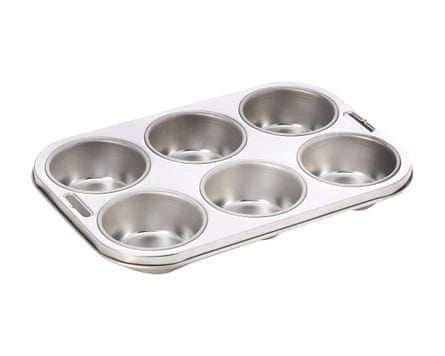
Vogue deep muffin tray
When it comes to a proper Sunday lunch, the thing that makes the biggest difference is the yorkshire pudding tray. I use a heavy-gauge one. You won’t get a good rise out of a thin, flimsy tin. A heavy tray holds on to the heat, so when you open the oven door and pour in the batter, it stays properly hot, and that’s what gives you that lift. I always go for deep holes as well, as they will force the batter upwards instead of letting it spread. Once the tray is seasoned, I only ever wipe it clean. Treat it well and it won’t stick, and your yorkshires will look after themselves. Joe Winston, head chef at Boys Hall in Willesborough, Kent
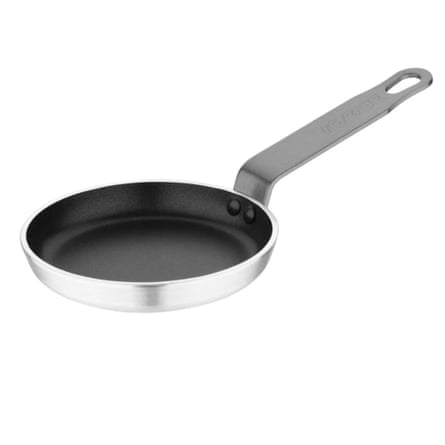
Vogue aluminium non-stick Teflon blinis pan, 12cm
This pan is for making blinis, but it’s a good little hack for making a few giant yorkies rather than 12 tiny, average ones. The pans will stay non-stick for life if you treat them well and don’t take a scourer to them – and they make great yorkshire puddings every time. Lewis Dwyer, head chef and co-owner at Hiraeth, Cardiff
Meat probe
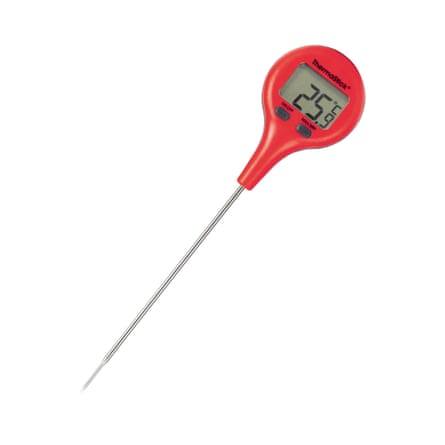
ThermaStick meat thermometer
For a roast dinner, one of the most important pieces of equipment is a meat probe. Hitting that perfect temperature is key to the outcome of the meal. My favourite brand is ThermaStick. I’ve used a lot of temperature probes over the years, all of which have broken after a short time. The ThermaStick has stood the test of time, and it’s accurate and reliable. Roberta Hall-McCarron, chef owner at the Little Chartroom, Eleanore and Ardfern, Edinburgh
Chopping board
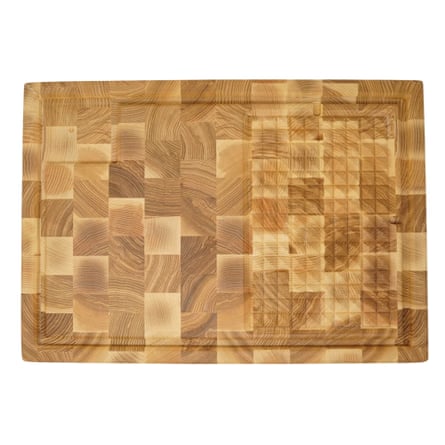
Borough Kitchen spiked end grain carving board
A spiked chopping board with juice grooves is essential for resting meat properly and catching every drop of those glorious juices before carving. Damian Clisby, head chef at the Rectory, Crudwell, Wiltshire
Carving knife
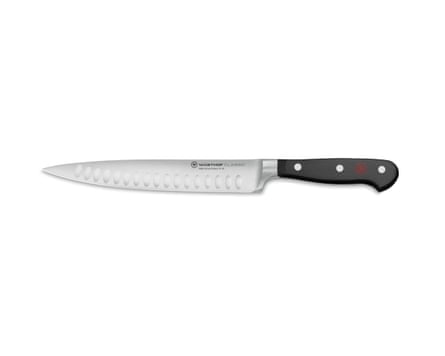
Wüsthof classic carving knife with hollow edge, 20cm
I love this classic, stylish Wüsthof carving knife. It has a sexy design with air pockets that prevent the slices from sticking to the knife. Pair it with a carving fork, and you’ll look like a total pro. Vanessa Marx, executive chef at Bingham Riverhouse, Richmond, London
For more, read our chef-tested guide to the best chef’s knives
Trivets
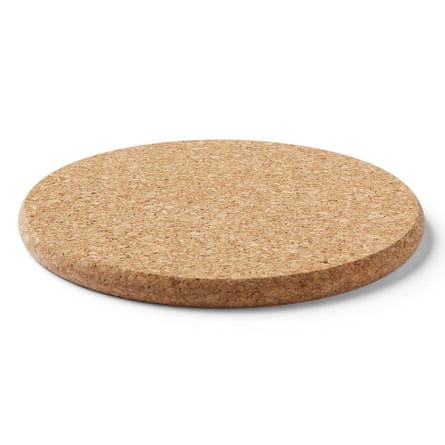
Muji cork trivet
Most of us are cooking a million and one things for Sunday dinner in small kitchens with even smaller ovens. Having trivets to take things off the heat and rest is important – giving you time and space to get things under control, take the pressure off and multitask like a pro. Sam Lawrence, head chef at Lulu’s, London
A sharp knife
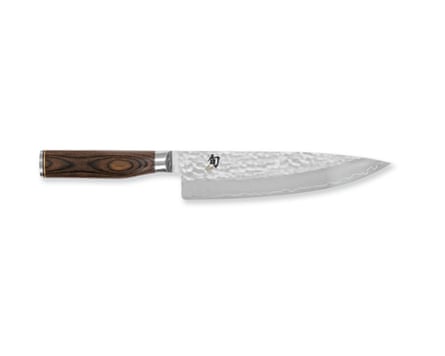
Kai Shun Premier chef’s knife, 15cm
A sharp, well-balanced knife makes all the difference during food preparation. It’s ideal for trimming lamb and getting through a full tray of vegetables without fatigue. The edge holds well over a long session, so you can prep once and get on with the cooking. Ben Chamberlain, head chef at Wild at Bull Burford, the Cotswolds
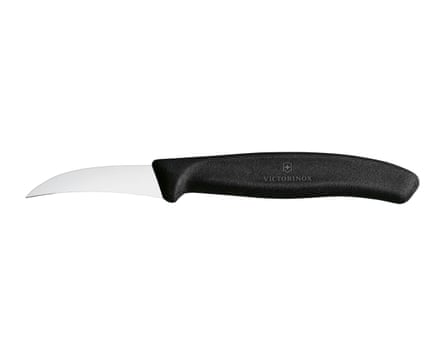
Victorinox Swiss classic shaping knife
A Victorinox turning knife is one I always have to hand. It’s really useful for peeling and cleaning any sort of veg, especially mushrooms or potatoes. Tommy Banks, chef-director of the Tommy Banks Group and co-founder of Jeopardy Hospitality
Cast-iron dish
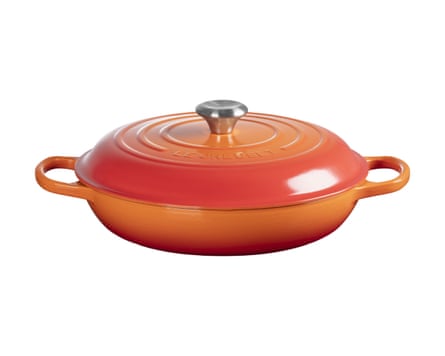
Le Creuset shallow cast iron casserole, 30cm
I bought one of these 15 years ago, and it’s still going strong. Roast a chicken, then make a sauce from the juices in the same pan. It retains heat well, providing excellent caramelisation on proteins of any sort. It’s a fantastic piece of equipment that’s expensive, but it lasts for ever and is a pleasure to cook with. I use it nearly every time I cook dinner at home. Get the orange one – it’s the best. David Gingell, chef co-owner of Primeur, Westerns Laundry and Jolene in London
For more, read our guide to the best Le Creuset alternatives
Heavy-bottomed pans
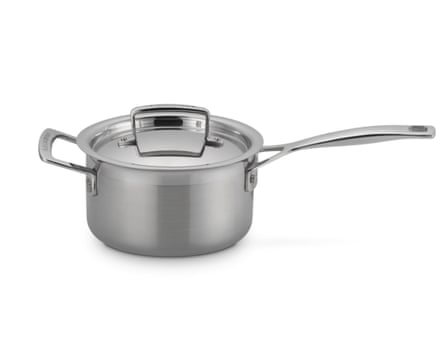
Le Creuset stainless steel saucepan and lid, 16cm
The quality of cookware is paramount for cooking a Sunday roast. I use Le Creuset stainless-steel pots and pans, which have wonderful heavy bases that hold heat and bring water to the boil much quicker. They’re expensive, but they will last a lifetime if looked after. Allister Barsby, chef director at Hide and Fox in Saltwood, Kent
A teapot for gravy
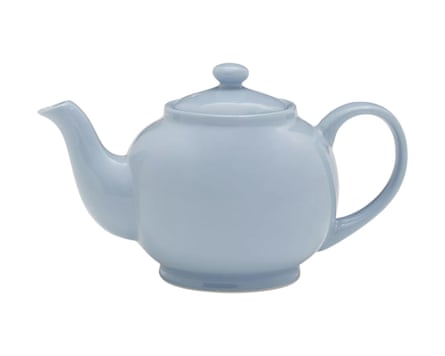
Fine china teapot
I recommend a good ceramic teapot – it will keep your gravy warm a lot longer than a traditional gravy jug. Alex Dome, head chef at Knepp Wilding Kitchen, Horsham, West Sussex
For more food and kitchen inspiration from the Filter:
13 kitchen gadgets top chefs can’t live without
The best coffee machines for every home and budget
The best frying pans for every kind of cook
Isabelle Aron is a lifestyle and culture journalist