2 months ago
107
2 months ago
107
Our smartphones are magical things – far more than dopamine drip providers and a way to keep in touch with friends and family. Using the built-in features and easily available additional apps, there are plenty of clever things you can do with your smartphone.
Turn your phone into a tape measure
The iPhone’s Measure app uses augmented reality and the device’s camera to calculate everything from ceiling heights to room dimensions – handy for those DIY tasks that require a quick decision. And, good news for parents, Apple also points out that you can use it to measure a person’s height: the digital equivalent of etched markings on the wall.
Become a detectorist
Metal detectors cost a pretty penny, but many modern devices have built-in magnetometers designed to help improve the accuracy of GPS within apps. Those magnetometers are also used in metal detectors, and some apps can harness that tech to detect metal. These apps are never going to be as accurate as tailor-made products, but if you are looking for a way to entertain the kids on a day at the beach, they will more than suffice in seeking out small bits of treasure.
Turn it into a remote control
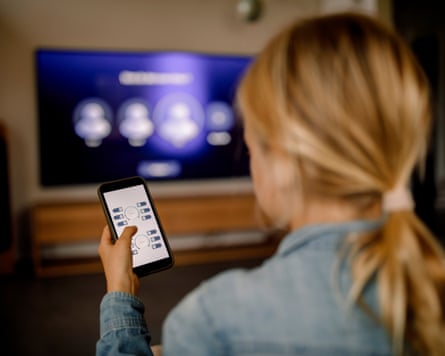
Lost the television remote down the back of the sofa again? Many Android phones include an infrared blaster that can mimic the signals from your TV, set-top box or air-conditioning remote, while others can talk to smart devices over wifi or Bluetooth. Download a remote control app, point your phone at the screen, and you can adjust the volume, switch inputs or change channels. Link in smart lights, speakers and streaming sticks and your handset becomes a control centre for the whole living room … though it does make it easier for teenagers to prank you by changing channel mid-episode.
Digitise your old holiday snaps
Got a load of old photographic negatives that you never got round to having developed – or worse, lost the prints for? Apps such as FilmBox, available on iOS and Android, can turn your negatives into digital photos (provided you shine light through them). Even better, you can then use image-editing apps to fine-tune the colour balance on old, washed-out pics.
Don’t get stuck on hold to companies
Some companies now offer a callback service so you don’t have to stay on hold for ages, but if they don’t, you can use your phone to do the same thing. The Hold Assist feature, available on iPhones running iOS 26, gives you a notification when it hears a human voice on the other end of the line, so you can get back to work safe in the knowledge you won’t miss your turn.
Create 3D scans of objects
Newer iPhones and some Android handsets have depth sensors such as lidar (light detection and ranging) that can map the world in 3D. Install a scanning app, slowly walk around the object or room you want to capture, and your phone will stitch those readings into a detailed 3D model. You can then export it for 3D printing, game design or simply to keep a precise digital copy of bulky items before you sell or recycle them. It is also a neat way to document the contents of a rented flat for insurance purposes, or capture awkward corners when planning renovations.
Map and record hikes without mobile signal
If you are an outdoorsy type, phones can help keep you on key routes and out of danger. Make sure you download offline maps before you go somewhere remote, and your phone’s GPS will still work without reception. Hiking and cycling apps can track your route, elevation and distance, then save it so you can retrace your steps – or share it with friends later.
Create a stethoscope
Combined with smartwatches, smartphones have become a boon for those wanting to keep track of their health, but it’s possible to go even further. A 2022 trial to see whether a smartphone’s microphone could accurately measure heartbeats – similar to how a stethoscope works – demonstrated that “mobile technologies are a viable way of recording heart sounds”. A commercial “cardiac screening tool” app is already available in the US.
Help yourself get to sleep
Some people spend money on white noise machines and then cart them around in their suitcase when they are travelling. But it’s possible to achieve the same benefit with your iPhone. Simply go to the accessibility section in your device’s settings, then tap on audio & visual. You can then turn on a variety of sounds, from white noise to ocean waves to crackling fire, to lull you to sleep.
Match that tricky paint colour
Trying to repaint a wall without the original tin to hand can feel impossible. Instead of juggling paper swatches, use your phone’s camera and a colour-matching app to sample the shade directly from the wall, or cushion, or curtain, or whatever you like. The software will suggest the closest equivalents from major paint ranges, and some apps also let you preview those colours on a photo of your space, combining paint matching and augmented reality in one go.
Live translate menus, signs and handwriting
On a foreign holiday and not sure what to eat or where to go? Live translation capabilities in apps such as Google Translate mean that it need not all be Greek to you. A combination of image recognition and live translation tools can identify foreign symbols and transpose English-language translations over the top of them, so you should never end up with an unexpected surprise for dinner.
Identify unknown plants
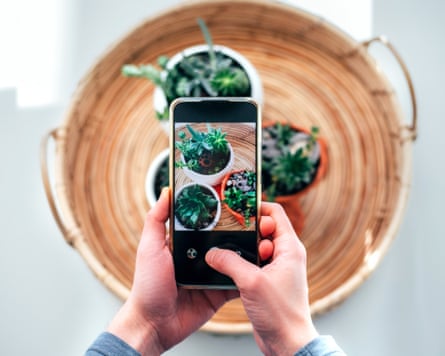
Not sure what is growing along your boundary wall, or what kind of cactus you have just bought? AI-powered insights from your smartphone’s camera lens can identify plants, animals and other objects, with surprising accuracy. Specialist apps abound for identifying plants, but the catch-all service provided by Google Lens is a surprisingly accurate way to distinguish your hydrangeas from your hosteas.
Amp up your webcam
Built-in cameras on all but the most expensive laptops and PCs are low-resolution and cope poorly in low-light conditions, meaning you’re blighted with the curse of blurry Zoom calls. Smartphone cameras are way more souped-up, and have automated processing that constantly tries to improve your image quality, making them ideal for replacing your webcam. On iPhones and Mac computers, you need to look for the Handoff feature. On Android devices and Windows, follow the instructions in the “Link to Windows” app to set it up.
Measure sound levels
If you have noisy neighbours or need to keep track of how much noise builders are subjecting you to, a slew of decibel-measuring apps are available. They are surprisingly accurate thanks to plenty of training, and some councils will even encourage complainants to download them and log intrusions if they are in dispute with neighbours.
Near-field communication (NFC) is mostly associated with tap-to-pay transactions, but cheap NFC stickers (you can get 50 for less than £10 online) can act as programmable buttons for your life. Stick one by the front door and set your phone to turn on the wifi and lights when you tap it; put another on your bedside table to start a sleep playlist and enable Do Not Disturb. With a little experimentation, you can build simple smart home routines without buying a hub.
Hang paintings straight
If you have ever hung a picture, stepped back and realised it is slightly wonky, your phone can spare you constant tinkering. Many handsets include a built-in spirit level tucked away in the compass or measurement tools. Lay your phone on the top edge of a frame or shelf and it will show when you have hit level, down to a fraction of a degree. It’s ideal, too, for levelling bookshelves, curtain poles and even sorting out a wonky table leg.
Scan documents
Buying a house or getting a mortgage often involves having to sign contracts. Some companies will let you do this digitally, but if you are someone who prefers putting pen to paper, you can still do so – with the help of your device. Even most entry-level smartphones now include functions that allow you to turn a photograph into a perfectly serviceable scan by pinpointing the corners of a document when you hover your camera over it.
Turn physical photos into animated ‘memories’
Family prints stashed in shoe boxes don’t have to remain static. Scan them into your phone and apps, including Google Photos and Apple Photos, and shots can automatically be grouped by people, places and dates, then stitched into short “memories” complete with music and transitions. Some tools even add subtle motion effects to still images, making them feel more like miniature films than dusty snapshots.
Measure your blood oxygen saturation and predict problems
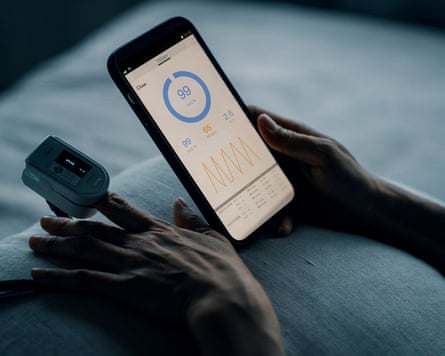
Health apps increasingly tap into sensors on your phone or connected watch to estimate blood oxygen saturation, a useful signal for issues such as breathing difficulties or altitude sickness. While they aren’t a replacement for clinical-grade monitors, they can function as an early warning system, highlighting unusual trends over time and prompting you to seek medical advice if something looks off, rather than ignoring a nagging feeling.
Empower your PowerPoint presentations
Ditch the dodgy clickers and install the companion app for PowerPoint, Keynote or Google Slides, and you can control your presentation remotely, swiping between slides and seeing your speaker notes on your handset. Some apps turn the screen into a virtual laser pointer, letting you highlight key details on a big display while roaming the stage, instead of being tethered to a laptop. At a pinch, you can even mirror your phone’s screen to a TV or projector and present straight from the handset if your main computer misbehaves.
Most phones let you share your real-time location with trusted friends or family for a set length of time through apps such as WhatsApp. It is a low-effort safety net when walking home at night, travelling alone, or meeting someone new, and beats the old “text me when you get there” ritual.
Keep track of your diet
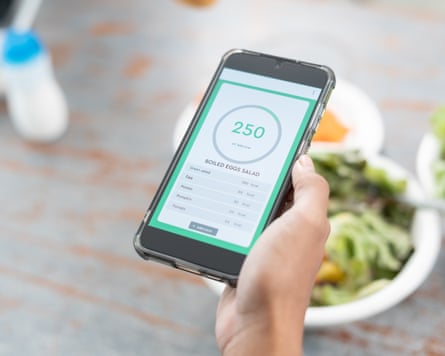
For those who want to monitor what they are eating, phones make food diaries far less of a faff. Nutrition apps enable you to scan barcodes or search databases to log meals, automatically tallying calories and nutrients across the day. Many sync with your step counter or smartwatch, so you can see the balance between what is going in and what you are burning off, without being nose-deep in a spreadsheet. They are just as useful for people trying to eat more fibre, reduce salt or spot foods that trigger symptoms as they are for anyone counting calories.
Turn your phone into a mini podcast studio
With a cheap plug-in microphone and a basic editing app, your phone can record and trim surprisingly high-quality audio. It’s enough to start a podcast, capture interviews on the go or simply send better-than-voice-note updates to friends and family.
Control your phone with your voice
Want to take a photo just by saying “click”? You can create voice-activated commands for your iPhone in the accessibility section – although it’s not super-straightforward. Tap on voice control > commands > custom, then select “create new command”. From there, you can type in a voice trigger (such as “click”), which then takes you into a recording of your screen. Everything you tap (like jabbing where the camera button is) will then be repeated whenever you say that phrase. So now when you open your camera and say “click”, hey presto! This can be useful, for automating all manner of repetitive tasks, although it only works when voice control is activated.
Paper scribbles stuck to the fridge are no match for dedicated shopping list apps. Apps such as Bring!, AnyList or Listonic let you share a live list with housemates or partners, tick off items in real time as you walk the aisles, and even add products by scanning barcodes or importing ingredients directly from online recipes.