3 months ago
221
3 months ago
221
Jaw-dropping allegations, extraordinary U-turns, talk of plots, plenty of tears and an alleged meeting on a roundabout. For the past 10 weeks, lawyers in court 76 at the Royal Courts of Justice have delved into claims of alleged unlawful information-gathering at the Mail titles.
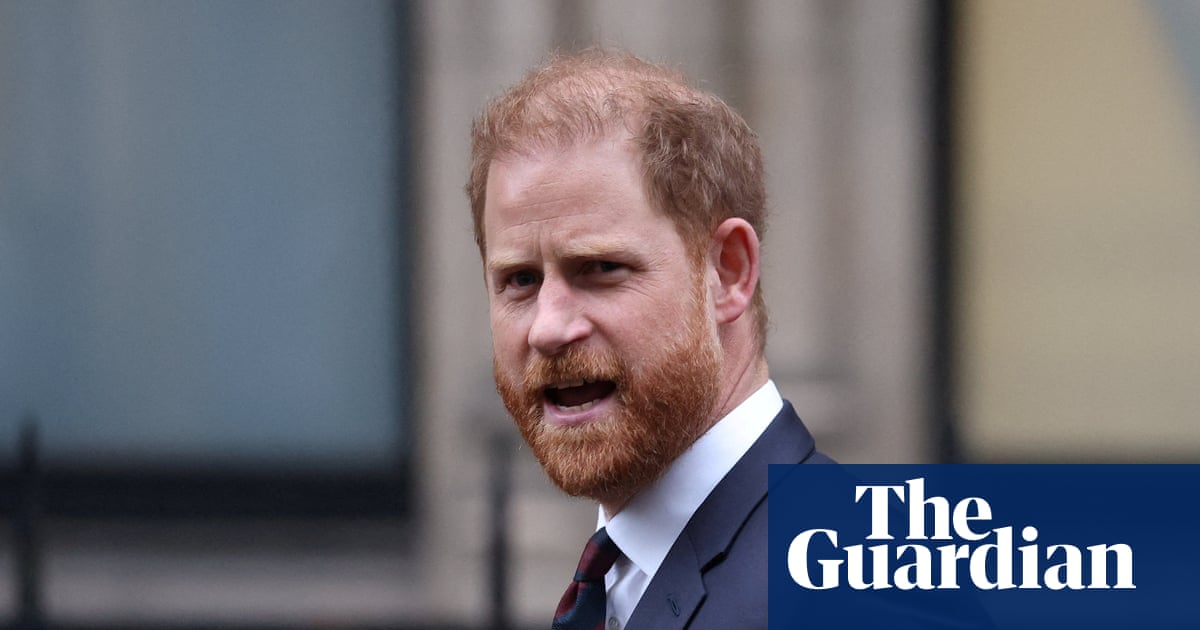
Prince Harry, Elton John and his husband, David Furnish, the actors Sadie Frost and Elizabeth Hurley, the campaigner Doreen Lawrence and the former politician Simon Hughes have brought the case against Associated Newspapers Ltd (ANL), publisher of the Daily Mail and the Mail on Sunday. Allegations go way beyond phone hacking and include landline tapping and the bugging celebrity houses.
The publisher denies all claims.
The drama started even before the trial had begun, as a private investigator who had made the most serious allegations switched sides. The trial ended with an analogy about a rare watch being removed from a locked safe.
With the end of the trial and a verdict months away, we recount significant moments from what is likely to be the final major case in Prince Harry’s legal fight against press invasion.
An emotional, angry prince
The trial opened with the claimants leaving no doubt about the impact that stories about their personal lives had had on them. Prince Harry was combative with Antony White, ANL’s softly spoken but surgical lead barrister. The Duke of Sussex ended up struggling to hold back tears as he said the Mail had “made my wife’s life an absolute misery”.
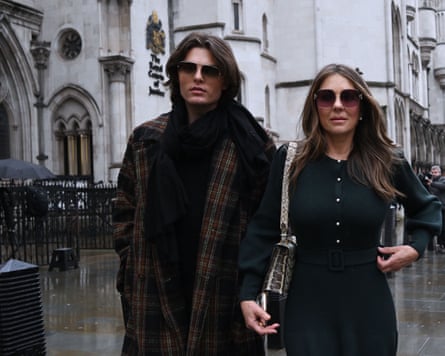
Hurley broke down repeatedly as she described stories about her relationship with her son’s father, as did Frost while recounting stories she said had unfairly painted her as a bad mother.
Leaky friends and talkative publicists
The hurt at their treatment by the Mail titles was clear. When it came to specific allegations of unlawful tactics, however, the publisher’s lawyers and journalists repeatedly pointed to legitimate sources for their information – mainly leaky social circles, publicists and previous reporting.
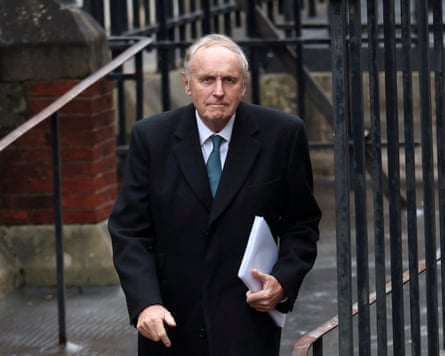
Most dramatically, Paul Dacre, the formidable former Daily Mail editor, said a story about a public inquiry over Stephen Lawrence’s murder had come from an old university friend: Jack Straw, then the home secretary.
John and Furnish were told their former spokesperson often gave out information; Hurley and Frost that family and friends were sources; Prince Harry that he had a “leaky” social circle.
Dramatic allegations – and a huge U-turn
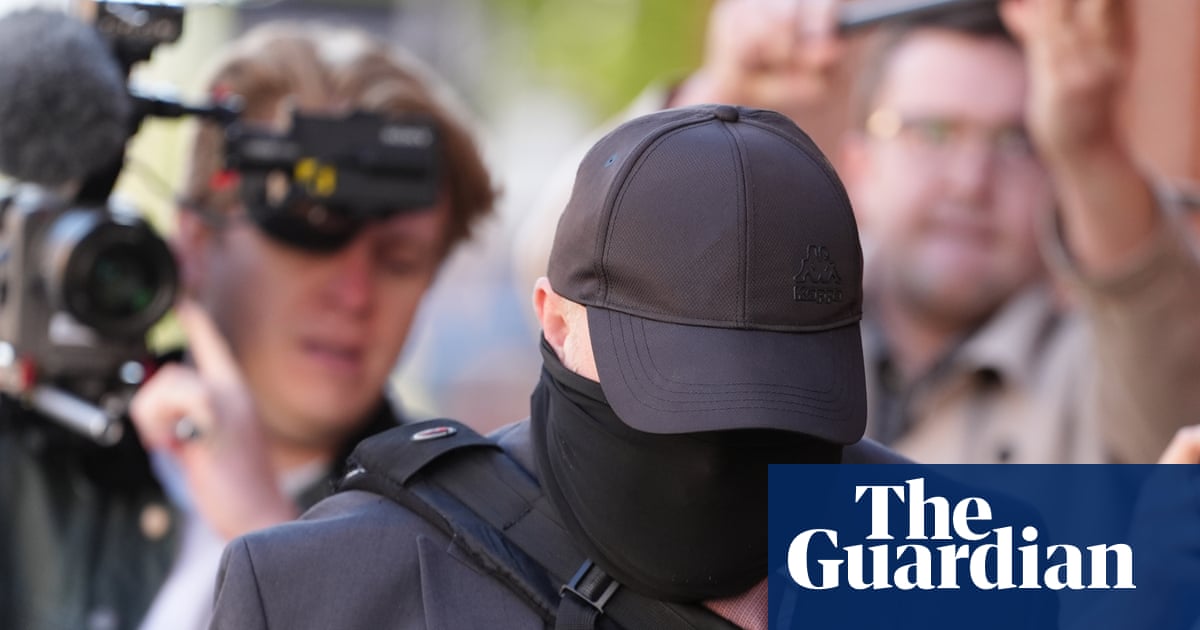
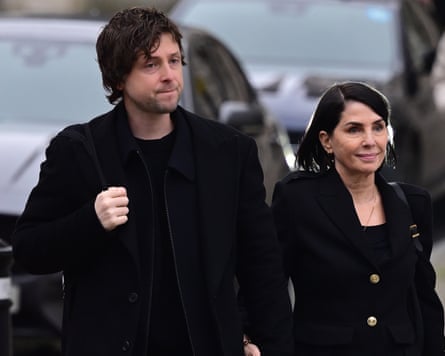
The testimony of the private investigator Gavin Burrows has hung over the whole trial. Burrows apparently admitted to bugging windowsills, and hacking and tapping landlines in a 2021 witness statement. However, he has since said this was a forgery and that he has never done anything illegal for ANL.
The origin of his infamous witness statement has been subjected to great scrutiny. It emerged it had been developed using signed affidavits from Burrows and five meetings, including an encounter at a London roundabout.
The solicitor who signed off the disputed confession had delegated the job of ensuring Burrows signed and understood it to Graham Johnson, a former hacker who has since been investigating unlawful press practices. He is now a researcher for the claimants.
Burrows gave combative evidence from a secret location abroad. The claimants say he switched sides only after a catastrophic falling out with Johnson.
A pregnancy and a flight number
As the case progressed, instances of alleged “blagging” – securing information by deception – came into focus. One example related to an unpublished story about Frost’s ectopic pregnancy. The notes of the former Mail on Sunday journalist Katie Nicholl contained detailed information about Frost’s doctors and condition. Frost’s lawyers alleged the notes referred to a private investigator who blagged the information; Nicholl said the story came from a freelance journalist with a source very close to Frost.
Another blagging claim related to an email received by Rebecca English, the Daily Mail’s royal editor, containing exact flight details for Chelsy Davy, Prince Harry’s former girlfriend. It was alleged this was blagged by a private investigator, but English said the information had not been asked for or acted on.
A shattered relationship and angry journalists
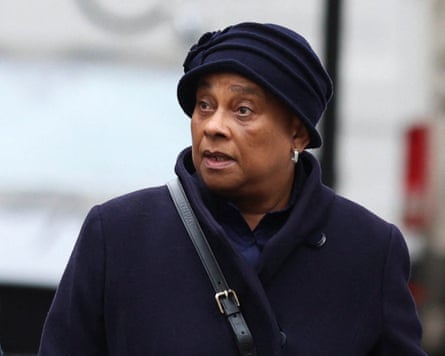
The Daily Mail’s championing of a campaign to bring Stephen Lawrence’s killers to justice is regarded as one of its proudest moments, so the involvement of his mother, Doreen Lawrence, in the case stung. Her claims focused on articles by a former senior reporter, Stephen Wright.
A parade of journalists gave evidence expressing anger at the allegations against them, but Wright was the most forthright. He said he had been deeply hurt by claims he was “faking being a racist campaigner”, and ridiculed “farcical” allegations of illegal surveillance.
Operation Bluebird – and claims of a plot
Lawyers for the Mail titles claimed the legal action resulted from a long-running plan by the Hacked Off campaign group and its supporters, forming part of its “political campaign” for part two of the Leveson inquiry, which was meant to investigate journalistic wrongdoing.
They pointed to a 2016 memo called Operation Bluebird, an alleged well-financed and detailed plan to bring action against the Mail titles, including potential claimants. However, the claimants’ lawyers said the memo had nothing to do with the specifics of the current case.
The idea of a long plan to sue the Mail titles was central to the publisher’s argument that some of the claimants could have brought their case earlier, and had missed the cut-off date for legal action.
Payments to witnesses
ANL’s lawyers highlighted the payment of key figures in the case against the publisher. They pointed to payments to private investigators from Johnson, who worked with funders such as the late privacy campaigner Max Mosley. Johnson said they were paid for documents or for their opinion. In other cases, they were paid to write memoirs.
Burrows was paid £75,000 in all. Christine Hart, who was recorded claiming she had “blagged” Doreen Lawrence but later denied it, was paid £5,000.
However, Johnson said he had never paid for witness testimony used in legal proceedings and had only paid sources for “journalistic reasons”. The claimants’ legal team said ANL also made payments to Burrows and Hart, for legal advice and security.
A rare watch disappearing from a safe
At the end of the trial, David Sherborne, lead barrister for the claimants, pointed to the huge number of missing documents in the case. He said one box of invoices from private investigators, which he called “Pandora’s box”, had been found by chance just last year.
He invited the judge to treat claims of unlawful information gathering like a “rare watch” disappearing from a safe and ending up in the hands of a defendant. It should then be up to the defendant to prove the watch had been sourced legitimately.
The judge, Mr Justice Nicklin, who has questioned Sherborne’s approach throughout the trial, said the notion sounded “perilously close” to reversing the burden of proof on to the defendant.
Too late?
ANL said it had handed over tens of thousands of documents, and gaps were a consequence of the fact that the allegations referred to articles often decades old.
Notebooks, emails and call data were no longer available. Memories had faded. That was why, ANL’s lawyers said, there were time limits on bringing legal action. After a certain amount of time, such action simply became unfair – which is why, they said, the court should rule that the legal action had come too late.