1 month ago
108
1 month ago
108
Weak and crumbling walls in Victorian prisons are hampering attempts to halt drones from delivering drugs and weapons to inmates.
Plans to install tougher netting and window grilles to stop drones from entering have been hampered because the walls have been unable to take the extra weight, prison governors said.
Recent attempts to fix anti-drone netting at HMP Pentonville, the Victorian prison in north London, were stalled after they found that the bricks were too soft, sources have said.
Charlie Taylor, the chief inspector of prisons for England and Wales, said last month that the Prison Service had “ceded the airspace above many of our prisons to serious organised crime”, resulting in a “national security threat”.
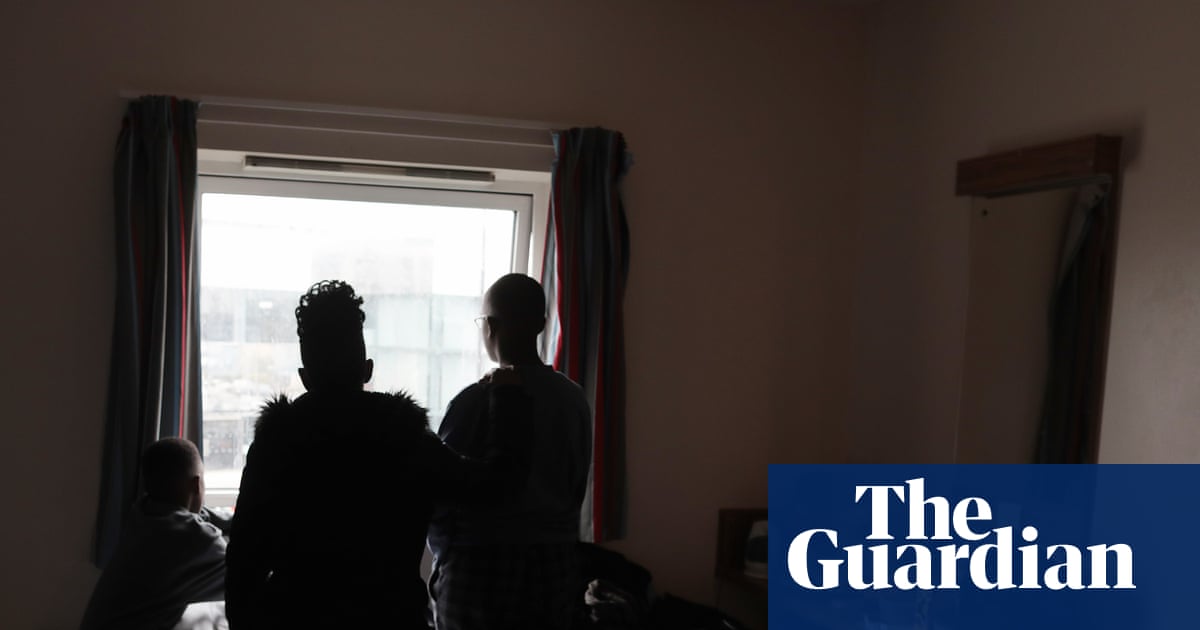
The number of incidents at prisons involving drones has risen by more than 1,000% over four years, with gang members able to fly packages carried by drones direct to cell windows. The packages are then retrieved by inmates with a hook.
Their use has become so ubiquitous that inspectors have found packages weighing more than 15kg, delivering goods such as weight loss and hair loss drugs, anabolic steroids and fast food.
Nets can be fixed to walls to catch the drones by snagging their propellers, while fixed window grilles can be used to stop prisoners from pulling packages into their cells.
But Tom Wheatley, the president of the Prison Governors Association, said measures to stop drones were not being introduced quickly enough and faced structural problems.
“Physical measures such as netting, wires and grilles are the preferred option for preventing contraband getting into prisons. They make it almost impossible,” he said.
“In some prisons, there are concerns that such measures put extra weight on the walls and the weight can be too much for the buildings.”
HMP Pentonville, a category B prison which holds about 1,200 inmates, is undergoing a significant overhaul after Taylor issued an urgent notification in July.
Some netting was installed across the exercise yard several years ago. But plans to install stronger mesh across other parts of the prison were stalled, senior sources said, after engineers found that the walls could not hold it at the necessary tension.
An industry insider blamed the softness of ‘London stock brick’ which was used to build the prison in 1842.
“Not only are the yellowy bricks soft, but the mortar between them is very old. It is very difficult to fix ropes and meshes as a result,” they said.
“To get over the problem, you have to design steel brackets and support that share the load, and that can be difficult to do in such restricted places. It is not an easy task,.”
The number of drone incursions recorded by prisons rose from 138 in the year to March 2021 to 1,712 in the year to March 2025. This does not include drone drops that were not detected by jails.
A gang that used drones to smuggle drugs into Pentonville and other London prisons was jailed in March.
Ministers are hoping to roll out more anti-drone netting across prisons. David Lammy, the justice secretary, visited the Ukrainian military in January to discuss how to adapt battlefield tactics to combat drone use in jails.
Inspectors called for an overhaul of security in Victorian prisons in 2024 after it emerged that inmates in HMP Winchester managed to dig through cell walls using plastic cutlery.
The government has promised to invest £10m on anti-drone measures. A Prison Service spokesperson denied that some prison walls were too weak to support anti-drone measures such as nets.
“All improvements to prison security are tailored to individual jails, following detailed structural assessments to ensure they are safe and effective,” they said.
“We have invested over £40m to fund a range of physical security enhancements. These improved measures will boost safety, combat the influx of drone activity and clamp down on suspected wrongdoing behind bars.”