3 months ago
189
3 months ago
189
We may have to start calling it White Lotus Derangement Syndrome. This is a condition spreading through the television commissioning system since Mike White debuted his brilliant anthology series five years ago, whereby drama is produced by setting poorer Americans alongside richer Americans in a location the latter choose to come to and the former can’t escape. In The White Lotus, they are the staff and guests at a variety of luxury resorts. In Sirens, the personal assistants of kabillionaires. In whatever Nicole Kidman is in they can be single mothers with children at assisted places at schools with the cashmere-clad elite, servants to expats nursing secret sadnesses in luxurious apartments, masseuses and other service providers at exclusive spa retreats, or exploited or sexually harassed nannies to people who think nothing of exploiting or harassing their nannies. In non-Kidman derivatives, the dogged blue collar viewer-avatars can also include cops, struggling novelists or academics. Unless the academic is a tenured professor, in which case the underdog becomes a sexually harassed student, who should probably unionise with the nannies.

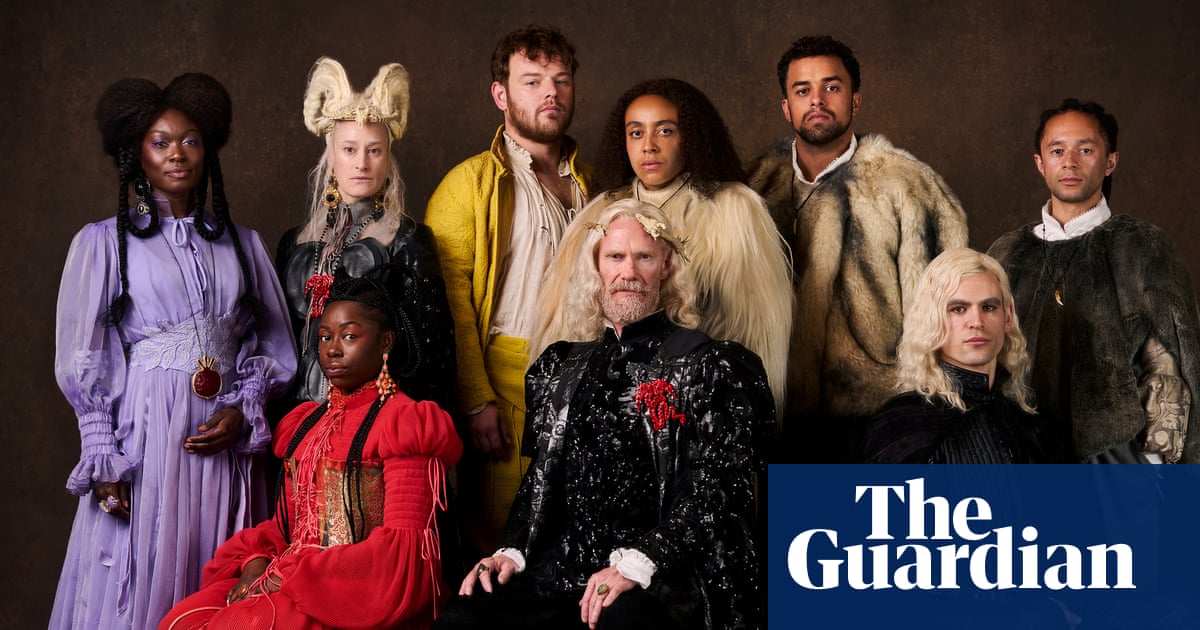
Now we have the second season of Beef to join the throng. The first, starring Steven Yeun and Ali Wong both doing career-best work, played out to near-universal acclaim as the story of a minor altercation in a car park between their two characters that gradually transformed credible pettiness into a credible psychodrama that built to an operatic climax. The new one stars Carey Mulligan and Oscar Isaac as a married couple who oversee the running of a luxury country club. Josh is the general manager (with a penchant for gambling and camgirls), Lindsay is the interior designer-cum-hostess (with a penchant for restoring the social status she had as a posho in her native England and an icily ruthless streak). They are both frustrated with where life has led them – so close to real money, but so far from having it themselves.
Contrasting with their midlife dissatisfaction are their newly engaged low-hanging employees Austin (Charles Melton), a personal trainer, and Ashley (Cailee Spaeny), a gofer on the golf course. When the pair witness – and capture on phone camera – a row between Josh and Lindsay that could threaten Josh’s position at the club, they use it to blackmail him into promoting Ashley so she can get the health insurance she needs to treat a medical condition.

Escalation ensues. Not just in terms of this plotline but in terms of the whole. More and more characters and complications are introduced, via the club’s new owner and her liability of a husband, the new tennis coach and his side hustle, a love interest for Austin, increasing debts and much, much more. Too much. Unlike the original series, this one begins to sprawl and the tension becomes spread out instead of ratcheting up around the main story.
Much is gestured towards – racial tension, ageing (especially for women), the precarity of so many jobs, the longing for security and the bitterness being without it brings, the US healthcare system’s essential depravity – but nothing is ever satisfactorily interrogated. Corruption breeds corruption, we learn. Love is fragile. People are weak and venal. Aping your betters – or at least your richers – never ends well. But some people are really, really rich and if you rub up against them for long enough you can hardly stop yourself from trying.
Which is, y’know, true enough. But it’s not new information and much of it has been dramatised better before – not least by Beef and The White Lotus (and even some of Kidman’s outings). There is also the fact that almost everyone in the new series is hard to care about. Lindsay is a cold, hard spoilt brat. Josh is weak (and, despite Isaac’s talent, little more than an agglomeration of unedifying traits, with grief over the loss of his mother an underwritten element of the show). Austin is a cipher (whose stupidity makes him an unconvincing choice of fiance for the bright, ambitious Ashley), and the less-central characters even more so. Ashley is better served, but many of her actions feel forced. Overall, Beef feels like an entertaining potboiler rather than the dark march towards truth that the original was. Not enough meat on the bones.