3 months ago
103
3 months ago
103
The lyrics for Diagonale des Yeux’s debut album were written in the style of an exquisite corpse game, with members Laurène Exposito and Théo Delaunay taking it in turns to patch together ephemeral thoughts and themes in a mix of French, German, English and Spanish. The bizarre, multilingual stories that emerged match the French duo’s ramshackle, home-recorded sound, which features everything from toybox percussion to farmyard sound effects.
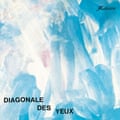
Their whimsical approach is anchored in the outsider pop and post-punk of 1980s Europe, which embraced discordant instrumentation and disaffected vocals. These 12 tracks are charmingly lo-fi, built around rudimentary synth and guitar melodies that often careen into strange directions. Acolytes jumps from frenetic punk jam into swooning breakdown and back again within just 90 seconds; Le Rayon Orchidée stumbles groggily to a halt like a malfunctioning music box. Both sing, adding to the theatrics: playing around with effects, they range from pitch-shifted, kitten-like miaows to macho groans.
At times, the wackiness feels a little cloying, as in the rickety opening track Tie Game, or the giddy story-time-gone-wrong Baby Buddha, but that feeling is redeemed by the record’s quieter, less gimmicky moments. Tracks such as Hills of Love and Paradies stand out for their simple, almost melancholy wooziness, while Nana Niña calls to mind the pleasingly mechanical duets of minimal synth group Deux. Elsewhere, the duo channel Martin Rev in their drum-machine crooner Cherry Ann, and the Korgis on Change Your Heart, where they twist their 1980 hit Everybody’s Got to Learn Sometime into tough and glitchy cold wave. But much like the rest of this topsy-turvy release, these references are delivered with a knowing grin rather than pretension.
Also out this month
In Filth Your Mystery Is Kingdom / Far Smile Peasant in Yellow Music, the self-released debut album by Nicaraguan-American musician Dagmar Zuniga, gets a high-profile reissue (AD 93). It’s a gorgeous, rough-around-the-edges set where Zuniga’s soft, high voice wanders shyly around plucky guitars and tinkering synths; the fuzzy, tape-recorded intimacy evokes Grouper and Vashti Bunyan. Laurel Halo presents the soundtrack to Midnight Zone, a film from French-Swiss conceptual artist Julian Charrière that explores a remote area in the Pacific Ocean increasingly targeted for deep-sea mining (Awe). Much like the dark, swirling visuals they accompany, these dense, epic droning compositions are intermittently calming and sometimes unnerving. Una Teoría del Ritmo is the brilliant new record by Valencia-based electronics group Mecánica Clásica (Abstrakce): nine delightfully textural downtempo tracks, with bubbling synths and trickling percussion adding a warm, spritely kick to the swampy foundations.