2 months ago
74
2 months ago
74
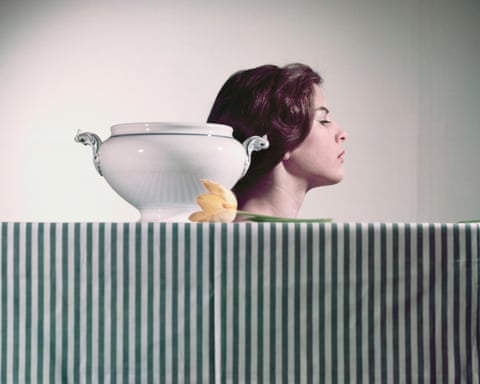
The pioneering Nordic artist brought wit, verve and cinematic flair to postwar photography. A new exhibition celebrates her vibrant visual style
Shaping visual culture … Untitled, 1960, by Claire Aho. Photograph: © JB, courtesy of Aho & Soldan Photo and Film FoundationWed 1 Apr 2026 08.00 CESTLast modified on Wed 1 Apr 2026 11.07 CEST
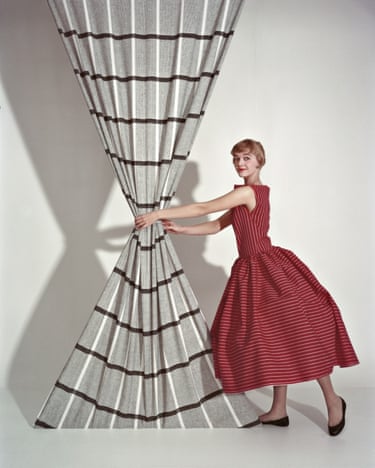
Cotton Rhapsody, 1958 (model Elina Salo)
Finnish artist Claire Aho (1925-2015) brought wit, colour and cinematic flair to postwar image-making. Presented by Hundred Heroines, the UK’s only museum dedicated to women in photography, this exhibition highlights how Aho – known as the ‘grand old lady of Finnish photography’ – helped shape a new visual language for Finland. She presented confident, contemporary women and transformed everyday scenes into moments of style. Colour Me Modern: Claire Aho and the New Woman is at Hundred Heroines Museum, Stroud, until 31 May. All photos: © JB, courtesy of Aho & Soldan Photo and Film Foundation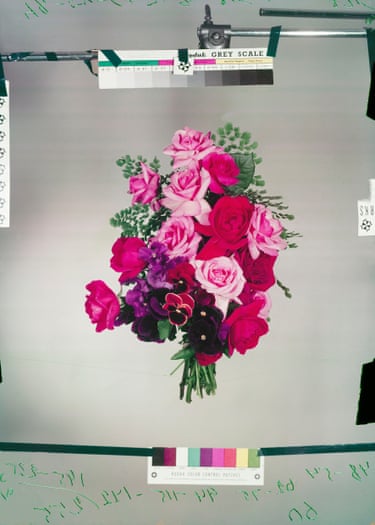
Flowers I, 1950s
In Finland during the 1950s, there was a strong need for realistic colour photography, as fashion and product photography moved away from black-and-white. There were not many photographers who could guarantee the permanence and accuracy of colours along the whole production line. Aho embraced it fully, producing images that captured the optimism and style of postwar Finland through her keen eye for composition, innovative use of colour techniques and surprisingly modern aesthetic. She understood colour as contemporary language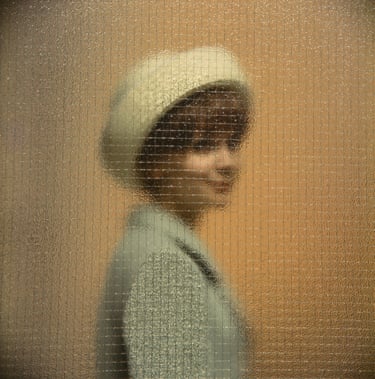
Woman behind glass, 1958 (model Clary von Platen)
Aho worked as a photographer during an age when the advertising and photography world was dominated by men. She was one of very few women who were producing colour photos in the 1950s in Finland. Aho learned her trade from her father, Heikki, who was a photographer and film-maker himself. Following in his footsteps, she began her career as a documentary film-maker but eventually started her own studio in the 1950s. Her work runs the gamut from magazine and editorial images to advertisements and fashion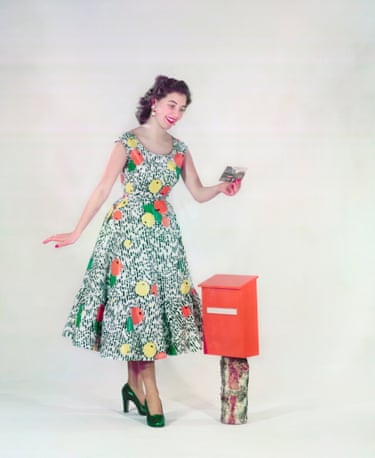
Lenita Airisto, 1950s
Assigned regularly by women’s magazines, from the established publication Eeva to the more modern Me Naiset (We the Women), Aho shot fashion stories and celebrity portraits. This was a time when a new and modern type of celebrity was emerging in Finland, one who was becoming known to the public via newly available television sets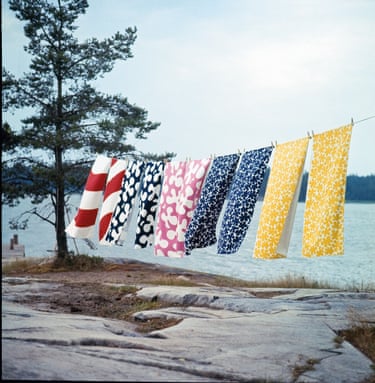
Advertisement for Marimekko, 1960s
Her foray into colour photography followed her father’s remarks about the poor quality of the medium in Finland. Working at a time when colour was still fighting for critical recognition, his views inspired her to develop techniques that produced beautifully saturated images. As wartime restriction ceased, photographic materials became more available, meaning she was able to work with colour. Aho is considered a pioneer in Finnish colour photography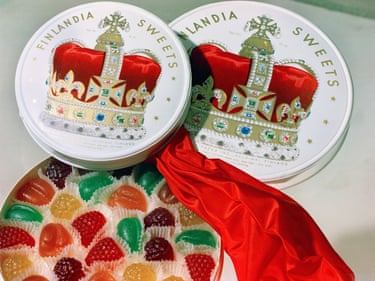
Fazer Finlandia Sweets, 1952
Aho’s work in advertising reflected and played a key part in the excitement and commercial success that was felt as new cutting edge products appeared on the market in 1950s Finland, following the gloom of the war and immediate postwar years. With the end of wartime rationing, there was every reason to promote brands of food and drink, such as Fazer, Jaffa and Paulig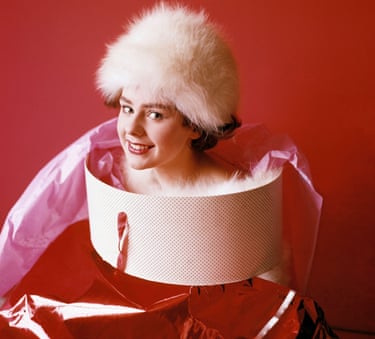
Surprise! Pirkko Mannola, Miss Finland, 1958
Aho’s artistically arranged and witty photographs reflected the liveliness of Helsinki’s cultural scene, capturing the imaginations of viewers and creating a demand for her work among leading commercial publications and brands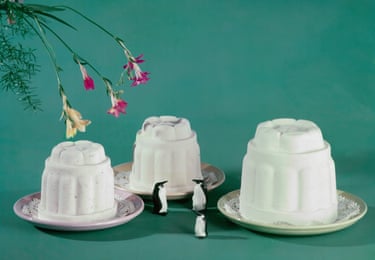
Valio’s penguins, 1950
Aho brought her sense of fun into these images. In one advert for Fazer confectionery, she used invisible thread to levitate the sweets. Here, ornamental penguins stand in the midst of glacier-like cakes at a Valio ice-cream parlour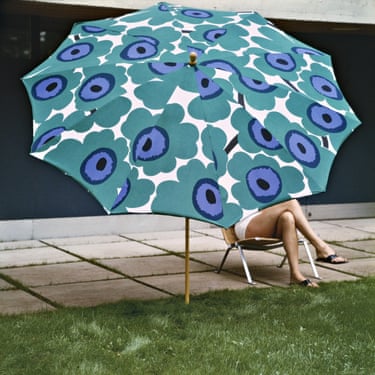
Marimekko parasol, c 1965 (model Carita Järvinen)
Fashion became spectacularly lavish in the 1950s, as the nation threw itself into a spending spree after the war years. Two iconic Finnish design labels, Marimekko and Vuokko, were founded around this time, and Finnish design in general collected awards the world over. In addition to photographic materials, the availability of fabric increased. This meant that many Finnish artists were employed to design patterns that had previously been imported. In this regard, Aho’s commercial photographs can be seen as celebrations of authentic Finnish fashion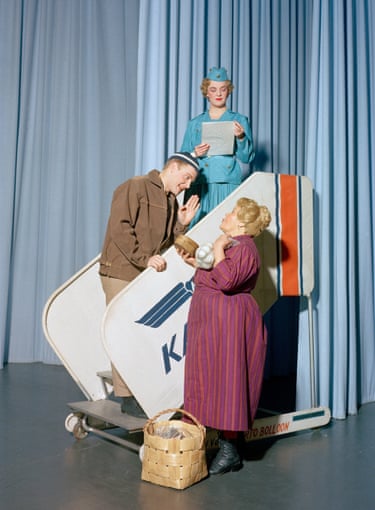
Untitled, 1950s
Aho’s work reflects a society in transition. The photographs move between the commercial and the everyday realities of women’s lives, revealing how identity was being reshaped in the 1950s and 60s. This extremely staged, humorous image is illustrative of this segment of Aho’s work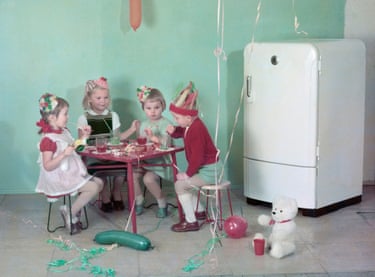
The children, the bear and the fridge, 1952
Aho said of this image: ‘I hoped to create an image which, on one hand, would be filled with colours and humour and thus catch the eyes of the beholder, yet, on the other hand, give a familiar and comfortable feeling, but also draw attention to the details. I wanted the viewers to get an immediate connection with the image. Colours are all over and need no explanation. The little thirsty bear on the floor is a warm and comforting friend of any child. The whole setting, I hope, breathes a joyful familiarity – as in any home anywhere.’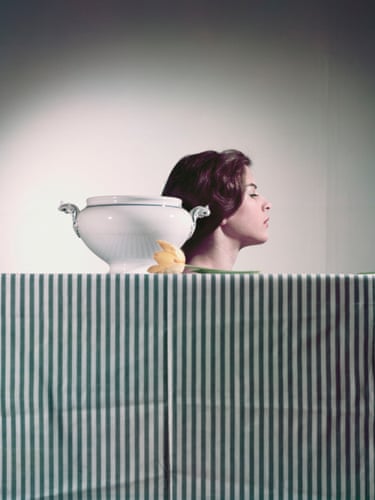
Untitled, 1960
Aho’s work places her within a broader international story of female photographers who shaped visual culture yet were often overlooked in its tellingExplore more on these topics