3 months ago
197
3 months ago
197
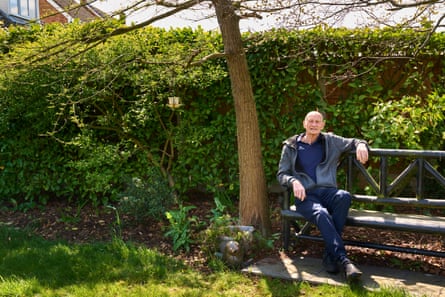
Ian Waddington was crouched in his garden last summer, inspecting loose paving, when he lifted a slab and spotted something extraordinary: a tiny field mouse nestled in a hollow, feeding four babies – each half the size of his little finger. “It was astonishing. Like life in miniature,” he says.
After decades in the construction industry, the 86-year-old has found a new passion in retirement – nature. The discovery of the field mice made him realise his garden could be a thriving habitat for animal and plant life. This year, Waddington joined the No Mow May movement and allowed his garden grow wild through spring.
Now in its ninth year, No Mow May – run by the charity Plantlife – encourages people to stop mowing their lawns during the first month of spring to allow their gardens to become more biodiverse.
In the Cheshire village of Tattenhall, many others have taken part over the years, connecting with nature through their back gardens. Janet Dutton, 69, let her lawn grow wild while caring for her sick partner. Today, aside from a central mown patch for her grandchildren, her garden has become a miniature meadow. “The more it [it grows], the more addicted I get to it – I just like to see what comes up,” she says.
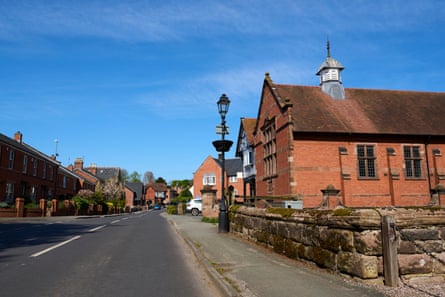
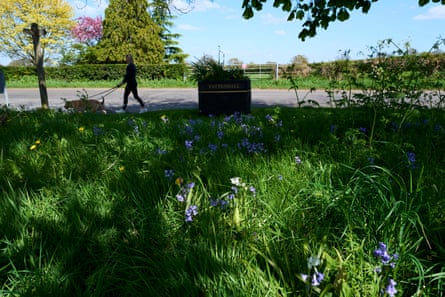
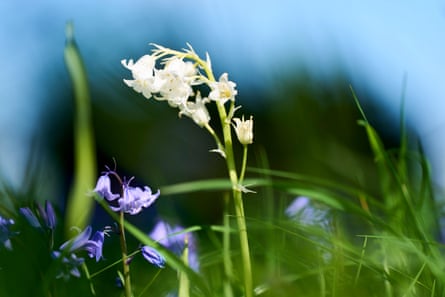
Dutton credits No Mow May with changing her perspective on what a garden should be. She has even entered her garden into a new intervillage “best for nature award” judged by Plantlife ecologists, and says she would be “chuffed” to win.
According to Andy Jennings-Giles, a senior ecologist at Plantlife, plenty of seeds can live underground, waiting for their chance to flower, in even the most keenly mown gardens. “The year that you leave it to grow throughout May, June and July, it will all come up. [You will] suddenly see all these flowers that appear from nowhere,” he says.
Even as they grow, so-called plant blindness means people might not notice that the sprouting plants in front of them are the beginning of a diverse wildflower habitat.
In Gill Friswell’s garden in nearby Tattenhall, there is a small patch of grass that, to the untrained eye, might look overgrown with weeds. However, closer inspection reveals there are at least five flowers and even more grass species that will flourish come summer, including the common spotted orchid, betony (Stachys officinalis), common knapweed, yellow rattle and columbine.
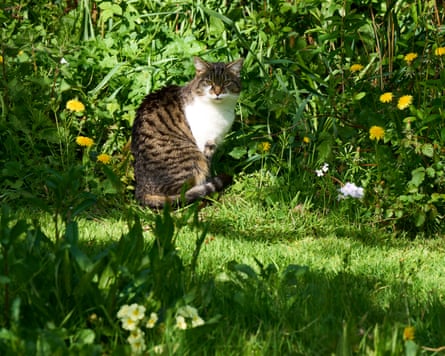
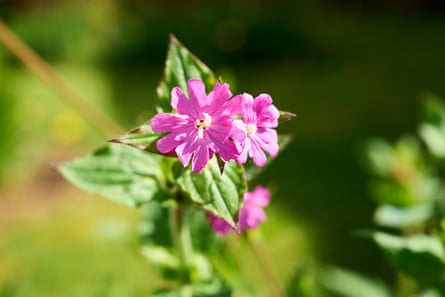
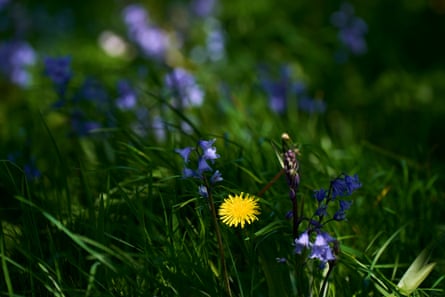
Friswell was not initially keen on ditching her lawnmower when her birder husband, Neil, decided to let some patches grow wild. “I liked it neat and tidy,” she says. Now, she appreciates the garden’s wilder appearance and is looking forward to the flowers coming through: “It’s a nice aesthetic.”
Plantlife recommends leaving gardens uncut not just in May but throughout summer to see what flowers, then cutting back in July or August after flowering has finished. Crucially, the cuttings should be removed to keep soil fertility low – while grass thrives on high fertility soil, wildflowers have evolved to become the opposite.
With each passing year, this approach can transform the diversity of a garden: allowing deep-rooted perennials to improve its soil structure, store more carbon and create an ecosystem for plants, birds, butterflies and bees. “It’s just fantastic for nature, from the bottom of the ecosystem,” Jennings-Giles says.
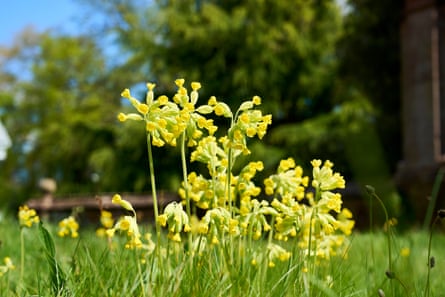
By encouraging wildflowers to grow, No Mow May participants are helping to restore pockets of species-rich grassland, also known as wildflower meadow. According to Natural England, agricultural changes in England and Wales since the 1930s have led to a 97% decline in this type of habitat, as swathes of ancient meadow were cleared to make room for arable crops after the second world war.
Historically, a neatly manicured garden was a status symbol enjoyed by the wealthy, many of whom had gardeners to trim their lawns by hand. The rise of mechanical lawnmowers in the 20th century, along with a growing middle class, made that look accessible to many.
Nicola Hutchinson, the interim chief executive of Plantlife, suggests it is time for a rethink. “Your lawn is one of the easiest ways to help nature, yet social pressure still keeps the lawnmower running. No Mow May is the moment to break that cycle,” she says.