5 hours ago
12
5 hours ago
12
Every once in a while, the discourse gods send a tablet down to the people, announcing that a previous era is dead and a new age is upon us. Recently, it was the “vibe shift” – a post-pandemic change in culture that encompassed everything from fashion to politics. The vibe shift consolidated with Donald Trump’s second election, a harbinger of the end of fragility and of movements for racial and gender equality – a rejection of the long 2010s with their hashtags and pink pussy hats and women’s marches and protests. The vibe shift has recently been followed by a calling of time on what has come to be known as “Woke 1.0” – a term that represents what is now seen as a culture of hysterical overreach triggered by the momentary breakthrough of movements such as #MeToo and Black Lives Matter. “Woke 1 was crazy,” said Alexandria Ocasio-Cortez this month, quoting a New York City councilman. And there we have it, time to walk back some things said and done in the giddy heat of those moments. It was crazy!
This rush to the future away from what some perceive to be an embarrassing past groups together various disparate phenomena. But I’m afraid it’s not that simple. Woke 1.0 (or “peak wokeness” – I wish the gods would use less trivialising ways to refer to roiling social tides, but there we are) was about politics and culture and also about the behaviours and trends it triggered. It was about concrete problems: policing of minority communities, the right of women not to be sexually harassed or violated, the systemic racism and sexism that damaged both. And it was about reforming the cultural structures that created and perpetuated those systems; asking university curricula to expand and diversify intellectual sources, recognising the long shadow of glorified imperial histories, and updating institutions – from the media to the academy – in order to enfranchise change. None of this is “crazy”.
What did happen is that accompanying those movements was an adoption of postures and behaviours that signalled that one was on the right side. Some of it was performative, risible and low stakes; the black squares posted on social media and the taking of the knee in kente cloth. But some of it was more material in terms of tone, attitude and outcome. Some on social media made it their business to scold the language of others, others lost their jobs or reputations in cases that were questionable or even unjustified. A fixation on diversity and representation made a big song and dance about appointing minorities in high places, indulging the Joe Biden administration, reducing action to appearances.
A vast array of protagonists and platforms, all with different mechanics, are lumped into what is now being called an absolute “orthodoxy”. But what this part of the moment constituted was essentially two things. The first was a sort of mimetic fashion (rather than politics) that was adopted because that’s how trends work. The second was a storming-the-barricades sense that something that was too late to arrive, that was thought would never arrive, was finally upon us – an opportunity to make mainstream the sort of equalising politics that was consigned to the margins.
An altogether more serious – and shallow – allegation is that it was all “crazy” because this is what the left does. Given a chance, the left will waste capital by descending into infighting, radicalism and alienation. It is rarely acknowledged that this left never has political power, and so its energies become trapped in the realm of culture. This is not to excuse excesses, but to point out a mundane matter of physics. When a political movement is deprived of executive means, by way of democratic systems in which money and establishment interests are arrayed behind the right and the centre right, it becomes trapped outside policy and exercises its power in the only venues it can. It is a feature of weakness, not strength.
So powerful is the hold of this notion of a universally, monolithically persecuting left, that all sorts of wildly implausible ideas are being extrapolated from it. It is now being blamed for what has followed Woke 1.0: the resurgence of Donald Trump and Maga’s incursion into everything from the academy to the military in order to impose its agenda. Never mind that this “left” is a grab bag of remote, suggestible corporate liberals and online folk. In this lies the biggest logical flaw of our time – the assumption of an equivalence between social behaviours and state power. The left may have toppled a few statues. That left has not waged executive war on universities, sued and removed funding, or imprisoned students for political expression. It has not purged the military. It has not legally cracked down on protest, both in the UK and the US.
To talk about these violations as somehow the legacy of the left’s “McCarthyism” and cancel culture is to draw a staggeringly naive and motivated conclusion, one that posits that the right would simply never have had any of these ideas if it were not for wokeness.
Come on. I suspect that there is a little bit of the shame of loss here. Despite the rendering of the past few years as a time of giddy victory, the truth is that wokeness lost. It succumbed to a vicious backlash – one that is still playing out, and was grotesquely displayed in the hounding of Jason Arday. There is something embarrassing about ending up on the losing side of the battle. And so we must have just got it wrong, rather than been crushed by the media, allies and our inchoateness as a political movement far outside the halls of power.
Still, there are lessons to be learned. What follows (or, I’m sorry, “Woke 2.0”) is a time for understanding that cultural breakthrough is no guarantee of success, that the neoliberal body politic will find ways to pick up, and then discard, social justice the moment it is not profitable. There is no substitute for long-term political organisation on the grounds of policy that focuses on material concerns conjoined with solidarity with all those on the sharp end of discrimination because of their identity. But let’s not throw the baby out with the bathwater. Let us not trivialise and dismiss movements that resonated globally, and which had safety, dignity and equal opportunity at their heart. And let’s not succumb to suspect framings that are more quick to police and condemn efforts than they are to raise the alarm at powerful interests with state power. That would be crazy.
after newsletter promotion
-
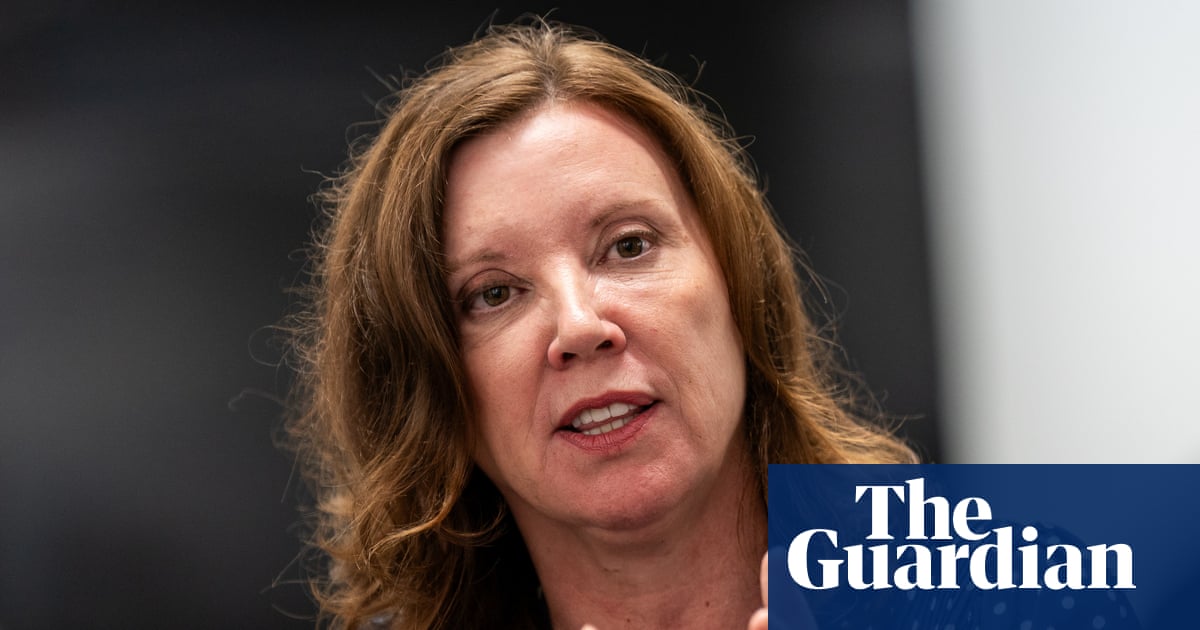
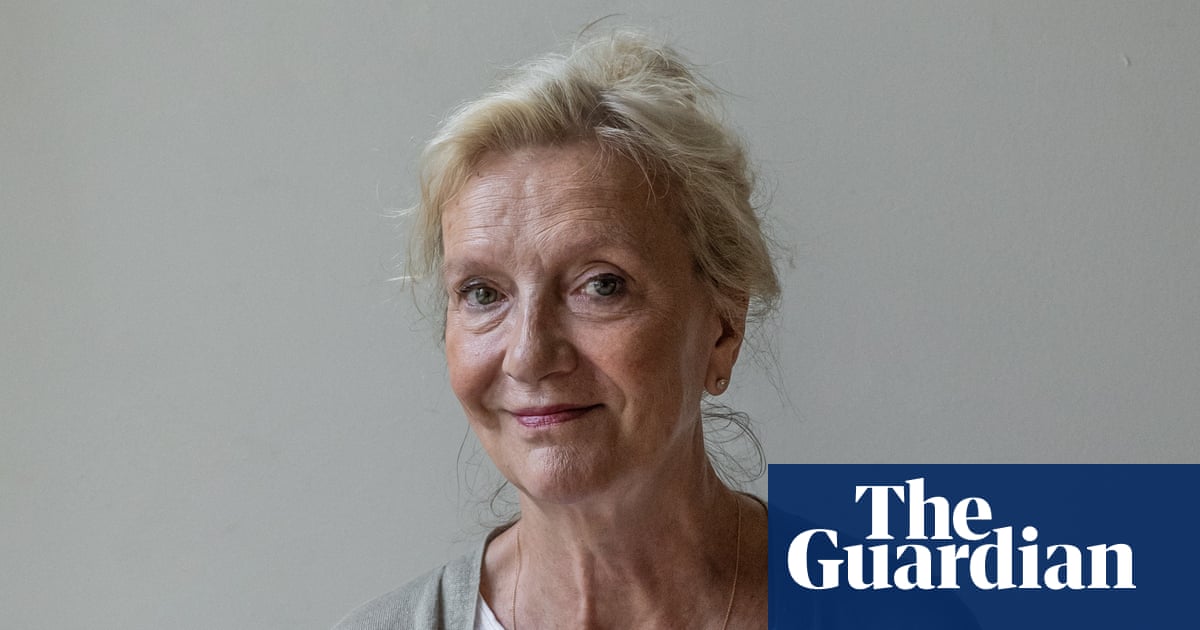
Nesrine Malik is a Guardian columnist
-
Do you have an opinion on the issues raised in this article? If you would like to submit a response of up to 300 words by email to be considered for publication in our letters section, please click here.