3 months ago
161
3 months ago
161
As any parent knows, there are few things more disruptive to family life than a child covered from head to toe in itchy chickenpox spots. The sleepless nights. The constant application of calamine lotion. The scramble to take time off work while your little one recovers.
That’s why today’s expansion of the NHS childhood vaccination programme will come as such a relief to so many families. The new combined vaccine, free on the NHS, will protect young children in England against chickenpox (varicella), measles, mumps and rubella. Children will be offered the MMRV vaccine at 12 and 18 months of age, and GP surgeries in England are contacting families from today to arrange appointments. This will mean fewer days missed from nursery and school, fewer urgent calls to the GP and fewer parents having to miss work.
Research shows that half of children catch chickenpox by the age of four, and 90% by the time they are 10 years old. While most cases resolve on their own, chickenpox costs families and the wider economy around £24m a year in lost income and productivity. This new vaccine will help reduce that burden considerably.
But beyond the practical benefits, this rollout addresses something more serious. Chickenpox is often thought of as a mild childhood illness, but it can lead to severe complications requiring hospitalisation – including bacterial infections such as group A streptococcus, pneumonia and encephalitis. Even in recent years, there have been cases that have left children on morphine in hospital, with others getting pneumonia and joint infections – and even serious flesh-eating diseases.
The combined MMRV vaccine has been safely used for decades, and is already part of routine vaccination programmes in several countries. The US, Canada, Australia and Germany have all seen substantial decreases in chickenpox cases and hospital admissions since rolling out their programmes. In the US alone, the vaccine has prevented an estimated 91m cases of chickenpox in 25 years, as well as 238,000 hospitalisations and almost 2,000 deaths.
The evidence is clear: vaccines work. They prevent millions of deaths worldwide every year. Diseases such as smallpox, polio and tetanus, which once killed or disabled millions of people, have over the past 50 years either gone or are now very rarely seen.
In this government’s 10-year health plan, we set out how we are supporting parents to raise the healthiest generation of children ever, shifting the health service from sickness to prevention and strengthening public trust in vaccination. At a time when misinformation spreads quickly online, it’s more important than ever that people are able to trust in medical science, and the research scientists, analysts and clinicians who follow the evidence. In some countries, it’s clear that access to vaccines and accurate information about them has been restricted, with ordinary people paying the price.
Building trust is why I’ve pushed back so hard against the rhetoric that ignores scientific evidence about the excellent safety profile and effectiveness of vaccines.
It is always OK for people to ask questions or want to know more about why vaccines are important; it’s why we regularly make sure people have up-to-date information, and make sure that expert clinicians are in the media explaining why they’re safe.
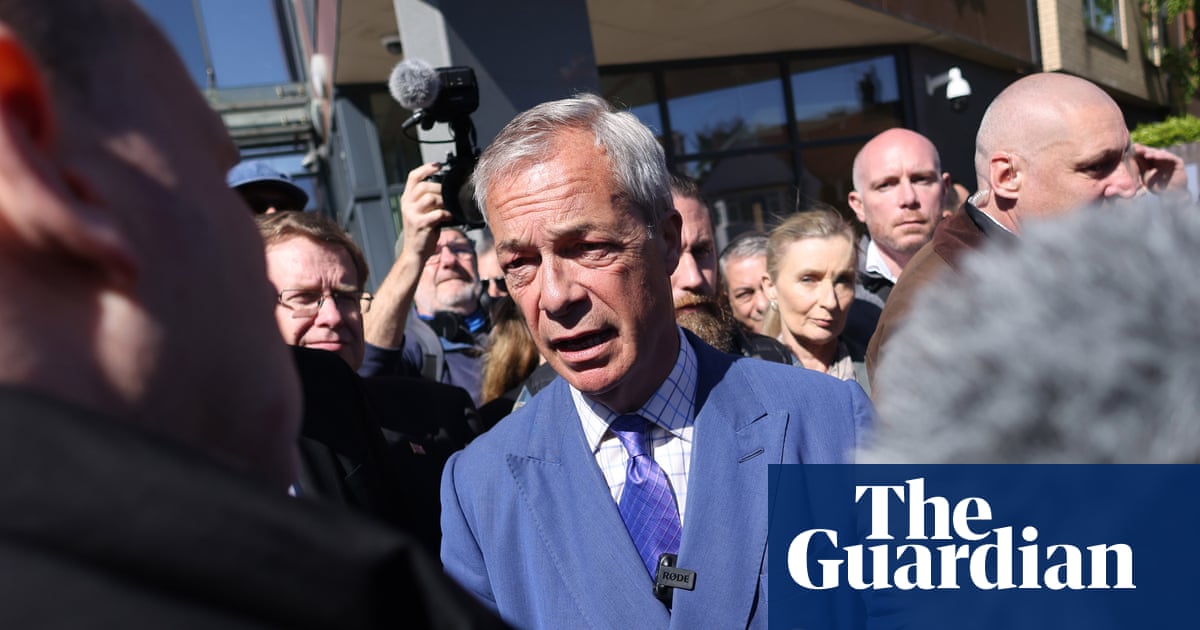
But the doubt and misinformation seeded even by those politicians who should know better, such as Nigel Farage and senior figures in Reform, undermine public health. Worse, they undermine the trust that people put into our health service.
We’re fortunate in Britain to have a healthcare system built on clinical excellence and peerless research. Today’s vaccine rollout is based on decades of scientific evidence. By reducing severe cases and complications, this programme is expected to save the NHS around £15m a year in costs for treatment. But most importantly, it will help protect thousands of children from becoming seriously unwell.
-
Wes Streeting is the secretary of state for health and social care and Labour MP for Ilford North