3 months ago
170
3 months ago
170
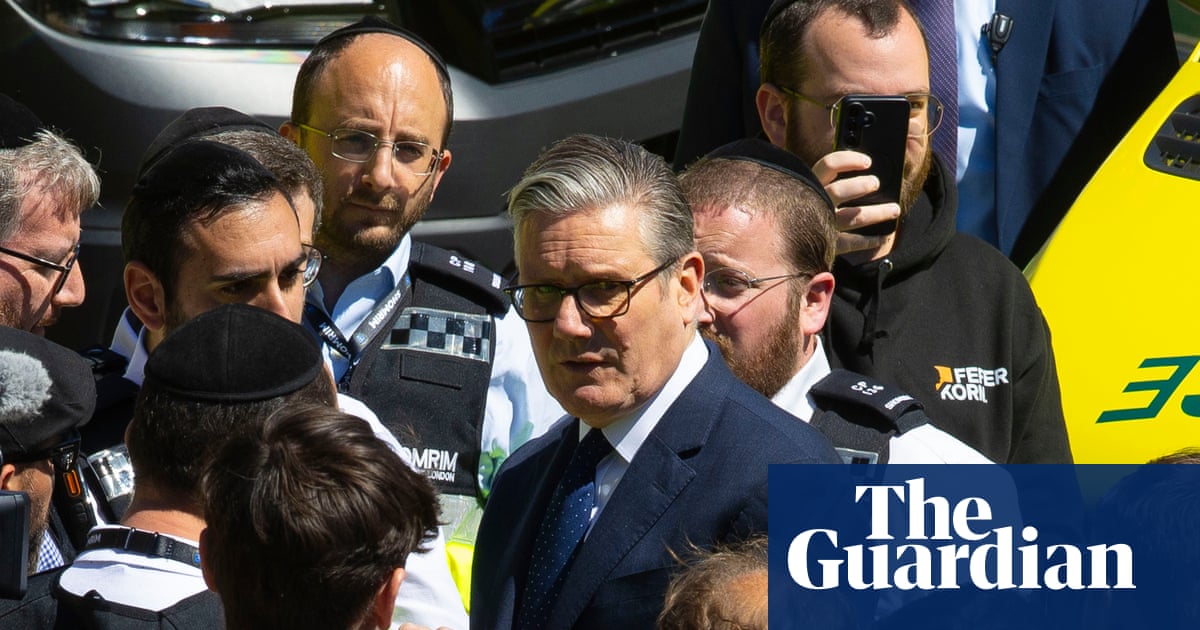
Keir Starmer will attempt to rescue his relationship with disillusioned voters and his own fractious MPs in a new year push to reduce the cost of living.
The prime minister will give a speech in the coming days focusing on how his government is bringing down living costs, highlighting recent cuts to energy bills and interest rates and the end of the two-child benefit cap.
He will reinforce the message with a series of new year drinks receptions for Labour MPs at Chequers as he hopes to dispel angst about local and devolved elections in 2026, at which the party is expecting heavy losses.
In his new year message, the prime minister said voters would begin to see their lives improving in 2026 in what his chief adviser, Morgan McSweeney, has called “the year of proof”.
Starmer said: “In 2026, the choices we’ve made will mean more people will begin to feel positive change in your bills, your communities and your health service.
“But even more people will feel once again a sense of hope, a belief that things can and will get better, feel that the promise of renewal can become a reality, and my government will make it that reality.”
In a barb aimed at Reform UK, which looks on course to defeat Labour in the Scottish and Welsh elections in May, he said: “We are getting Britain back on track. By staying the course, we will defeat the decline and division offered by others.”
In an indication that he believes 2026 could be the year when the fortunes of the country and his party begin to change, he added: “When Britain turns the corner with our future now in our control, the real Britain will shine through more strongly.”
Starmer goes into 2026 as the least popular prime minister ever, according to some polls, with his party heading for bruising results in May’s elections and some of his MPs agitating for his removal.
Many Labour MPs have spent the Christmas break in their constituencies, where they have had to confront voter anger at early policy decisions.
“I’ve spent a bit more time in the constituency in the last couple of weeks and it’s far worse than I thought,” said one. “There are real levels of hostility.”
The prime minister’s advisers acknowledge the scale of the problem, but believe they can begin to change voters’ minds this year as the impact of decisions made over the first 18 months begins to be felt.
Speaking to fellow advisers before Christmas, McSweeney said this would not be a “year of promises” but a “year of proof”, when public services would begin to improve and bills start to fall.
Starmer and his ministers will highlight their action on the cost of living in the first few weeks of the new year, including in a speech by the prime minister that will emphasise recent interest rate cuts that have brought mortgage costs to their lowest since 2022.
He will also talk about abolishing the two-child benefit cap, a policy the government is planning to focus on when it introduces a standalone bill to parliament next week to enact it.
Meanwhile, Ed Miliband, the energy secretary, is putting the finishing touches to the £13bn warm homes plan that will detail how the government will spend its energy efficiency and low-carbon funding.
Officials say the plan will focus on green technology such as solar panels and batteries, rather than home insulation, which was the focus of the recently scrapped energy companies obligation (Eco).
The plan will scrap regulations that prevent people from plugging solar panels into domestic plug sockets, a technology widely used in Germany and other European countries.
Scrapping the Eco scheme and reducing renewables levies will save energy users an estimated £138 on average, according to a calculation by the consultancy Cornwall Insight.
Ministers are keen to show how their energy efficiency funding will also help bring bills down in the longer term, with Miliband framing his package as another cost of living measure.
One government source said: “There will be a big focus in our warm homes [plan] on the clean tech products that can deliver energy bill reductions in the short and medium terms for households.”
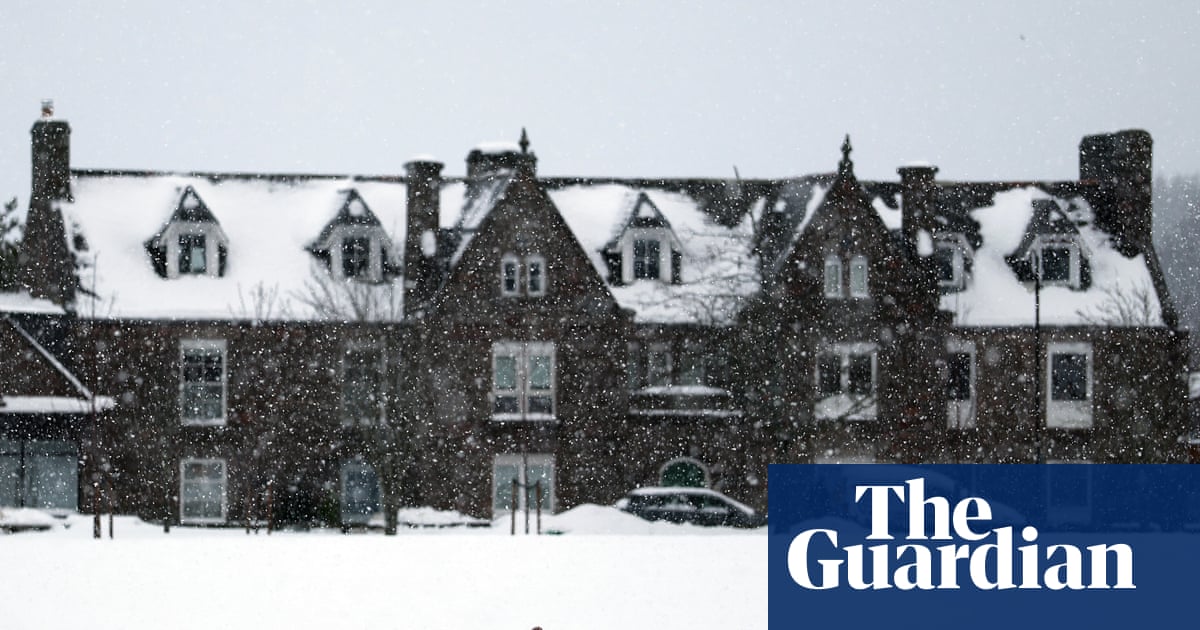
Starmer plans to couple this action with a charm offensive designed to win over his own MPs. The prime minister has invited Labour members to receptions at his countryside grace-and-favour home in a series of events across January and February.
Officials say he will use the informal gatherings in part to strengthen the message that MPs should spend the run-up to May’s elections talking about the cost of living. Early indications, however, suggest his plans are being met with a mixed reception among parliamentary colleagues, many of whom feel angry about a bruising first 18 months in power.
One said: “The parliamentary Labour party has a wealth of skills and experience which are being ignored. It is a bizarre approach that weakens us as a government and breeds resentment.”
Another said they would not be taking up the invitation to attend Chequers. “I’ve been invited but the idea of making small talk and pretending everything is fine is just [being sick emoji].”