3 months ago
128
3 months ago
128
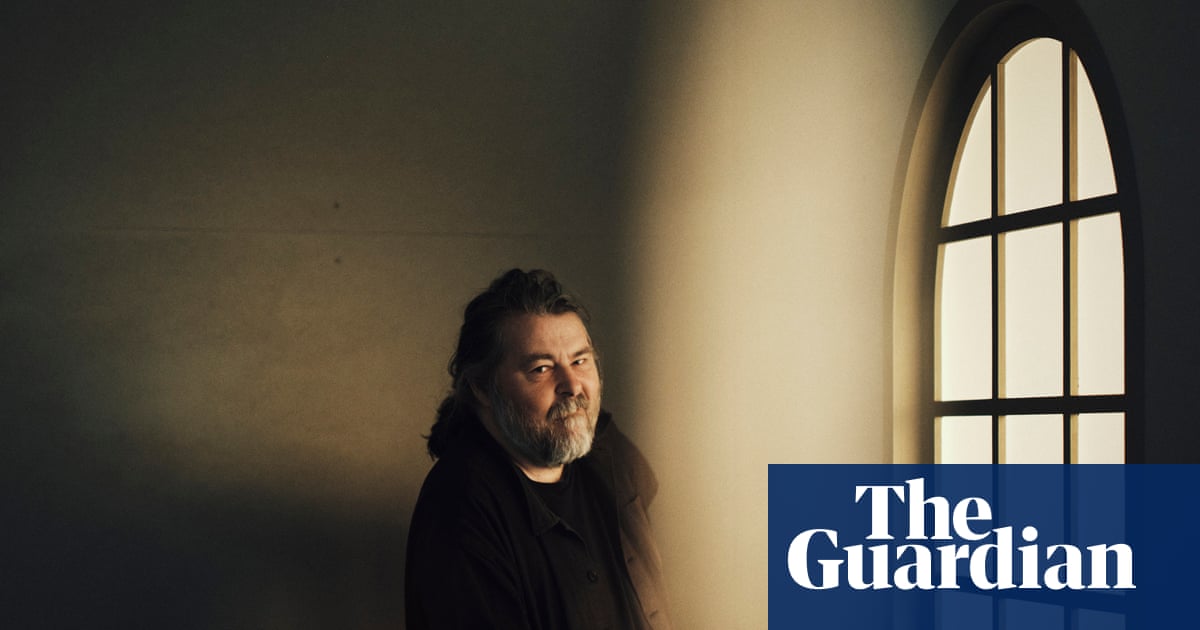
Matt Goodwin has been selected as the Reform UK candidate in the upcoming Gorton and Denton byelection – a contest he has a very good chance of winning. I suppose I miss the days when watching the toxic right was more of a cod-psychoanalytical pastime: when you could watch the Goodwin of 2024, preaching the superiority of Hungary in openly anti-migrant terms, compare him to the Goodwin of the mid-2010s, when he was an adviser to the coalition government on tackling anti-Muslim hatred, and say, “wow, this guy’s been on a journey”. What were the waypoints of his slide from “just asking the questions”, through dog-whistle racism, to brazen ethno-nationalism? What could have been the trigger events? Which bad crowd has he fallen in with?
The author James Bloodworth, who mapped Goodwin’s journey rigorously last summer, considers him the intellectual mascot of the politics of resentment. He quoted Goodwin thus: “I just spent four days in Hungary, a conservative country criticised by elites across the west. I saw no crime. No homeless people. No riots. No unrest. No drugs. No mass immigration. No broken borders. No self-loathing. No chaos. And now I’ve just landed back in the UK.” These talking points are all commonplace on the hard and far right; migration is situated as a wellspring of social ills, from crime and disunity, through drug use and housing crises, and it is stated with so much confidence, so little evidence or logic, that it’s really more of a muster point than an opinion held in good faith.
Yet if you were talking to the Goodwin of 2014, the young academic in a hurry, who wrote densely researched books on the BNP and Ukip, you would have a few follow-up questions, like: how exactly does one measure self-loathing at a national level? Some kind of poll, I would guess, but it’s unclear how you’d pose the question (“do you, considering yourself a part of Hungary, hate that self and by extension, hate Hungary? No? Great news!”). You’d want to know this wasn’t bare assertion, you’d want to know its methodology.
Even as recently as last year, there was a trace of relief and exhilaration, when the intellectuals of the hard right said the quiet part out loud, whether it was Goodwin, or Douglas Carswell’s skin-crawling “from Epping to the sea, let’s make England Abdul free”. At least you knew you weren’t imagining it, and other people could hear it too. The Goodwin of 2025 blamed the Huntingdon train stabbings on “mass uncontrolled immigration” and, confronted with the fact that the suspected perpetrator was British, went on to opine “So were all of the 7/7 bombers. It takes more than a piece of paper to make somebody ‘British’.” Again, there was time when you’d have been itching to go back in time a decade, and ask the same Goodwin what he thought Britishness was, if not being born and raised here: was it colour coded? What the hell other kind of code did he have in mind?
To borrow the phrase du jour, the time for talk is over. There is absolutely no ambiguity about Goodwin’s views. He makes no attempt to hide or resile from them. And that ethno-nationalist outlook aligns with Nigel Farage’s would-be policy platform: abolish indefinite leave to remain; deport hundreds of thousands of people.
In announcing Goodwin’s candidacy, Reform has turned this byelection into a battle about race and belonging. Inevitably, many will find comfort in poll-watching, minutely tracking the data and persuading themselves and one another that Manchester is too diverse, too unified, too sophisticated for a twin-track politics in which citizens’ legitimacy is contingent upon on their skin colour. But the other parties in this fight cannot afford to lull themselves into this kind of security, and have to start thinking beyond the parameters of their own advantage and victory; any move they make in this byelection will signal how serious they are about fighting toxicity in politics.
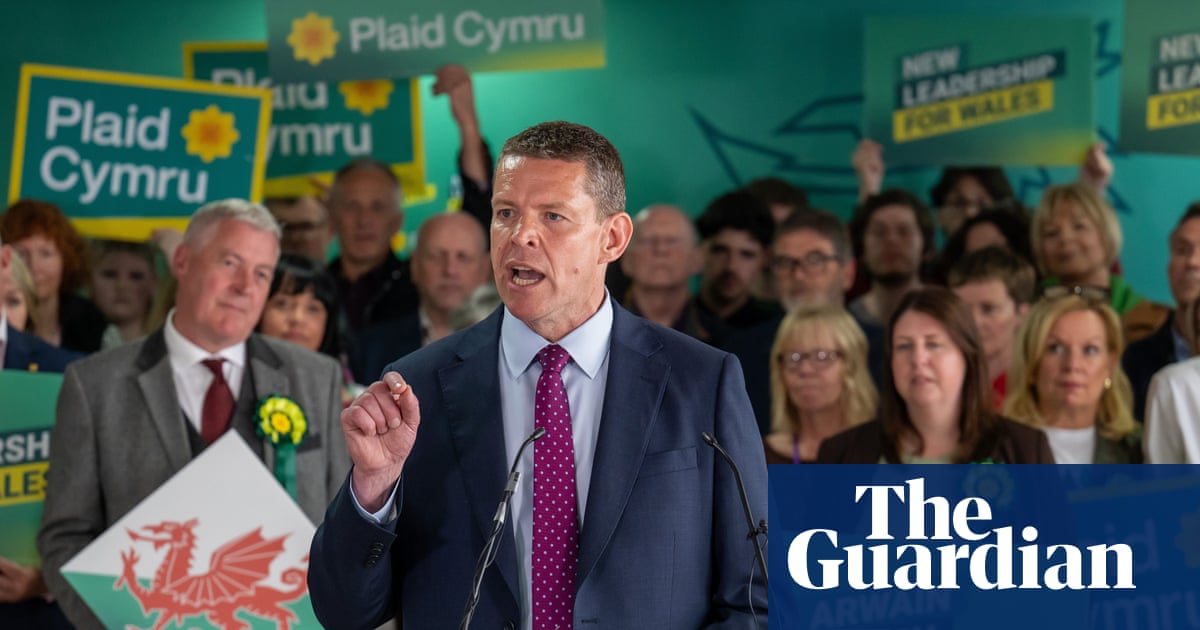
Predictably, Keir Starmer has already urged voters to unite around the Labour candidate, billing this person, as yet unannounced, as the only one who can beat Reform. The lesson of Caerphilly, only three months ago, is that voters will figure out for themselves who the only realistic victor is, and will not have it dictated to them. In that case, it was Plaid Cymru, whose swing was less pronounced than Reform’s (19 points v 34), but who ultimately lifted more of Labour’s disaffected voters and won the seat. Labour has also put out its first attack video, and predictably, it’s not against Reform. It’s against the Greens.
The Greens, also in the middle of choosing a candidate, have gone in hard on what they call Goodwin’s anti-Muslim record, and emphasised their own politics of unity and hope. Even while the Liberal Democrats and Conservatives were nowhere in this seat in 2024 (4% and 8% respectively), the Greens will need to borrow votes from everywhere to be in contention, and choosing prejudice as their enemy is broad but might work.
One other party has announced: George Galloway’s Workers party is fielding Shahbaz Sarwar, a local councillor. Funnily enough, Galloway’s obnoxiously masculinist, strong-man positioning probably means this party is pitching at the same voters Reform is, for all their differences on Islamophobia.
The spectacle might be depressing, but it’s not familiar; the hard right has evolved. Any strategy from its opponents that doesn’t recognise that will fail.
-
Zoe Williams is a Guardian columnist
-
Do you have an opinion on the issues raised in this article? If you would like to submit a response of up to 300 words by email to be considered for publication in our letters section, please click here.