2 months ago
111
2 months ago
111
“Some of the boys were melting,” says Jason McAteer as he recalls one of the most notorious matches in World Cup history. “Especially Steve Staunton and Tommy Coyne, they really struggled in the heat.”
It was the group stage of the 1994 World Cup and the Republic of Ireland, having just defeated eventual finalists Italy in their opening match, were facing Mexico at the Citrus Bowl in Florida.
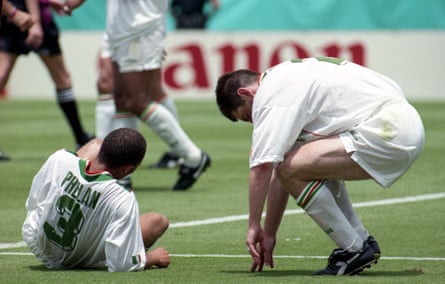
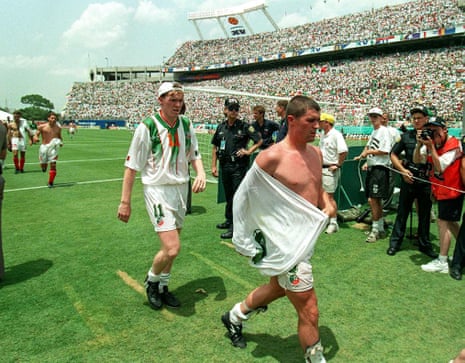
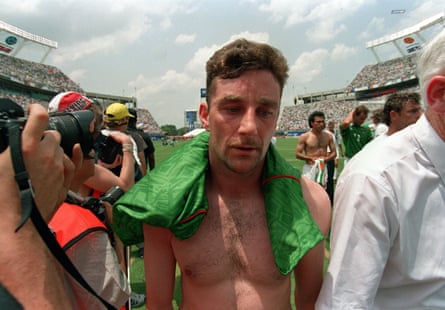
The lunchtime kick-off meant the sun was positioned so high in the sky that only the smallest of shadows were cast on to the pitch and temperatures rose up to 43 degrees celsius. More than 100 supporters reportedly collapsed in the stands from heat stress.
The photographs from that day tell the story of a sporting contest that looked more like a science experiment.
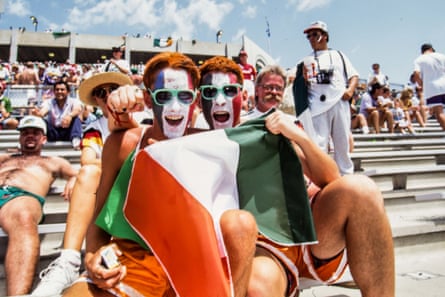
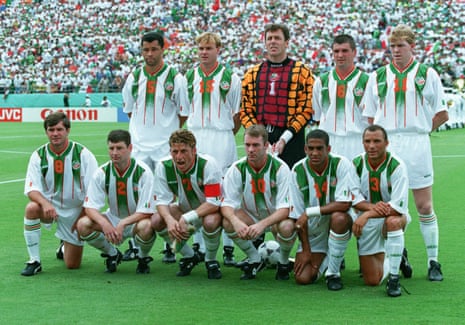
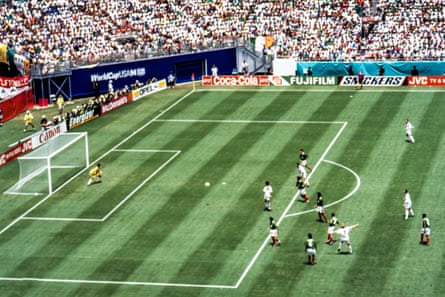
“The heat was stifling and the stadium was a cauldron,” McAteer explains. “It was a huge bowl so it kept the noise in and certainly kept the heat in. It felt a lot hotter on the pitch than it did walking around outside.
“I was young, I’d just had my 24th birthday, and I had bags of energy. But I don’t think any of us had experienced conditions like that, never mind playing in them.”
In retrospect, Ireland’s attempts to prepare for the American heat were “comical”, McAteer says. “We tried to acclimatise, we trained and we were given caps to wear. But the thing I remember most was the Dioralyte supplements they gave us to get salt back into our bodies. That’s as far as the sports science went back then.”
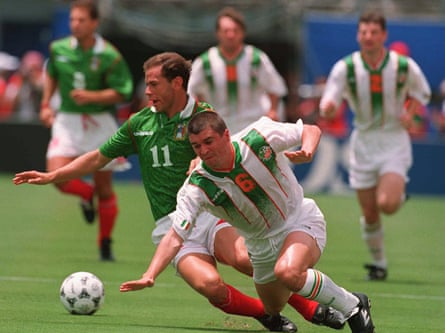
Remarkably, there were no official hydration breaks during games at the World Cup in 1994 and Fifa even banned players from consuming bottled water on the pitch. Ireland’s intemperate manager, Jack Charlton, complained so much that on the eve of the Mexico match Fifa reversed its stance and agreed to allow water balloons to be thrown on to the field – thereby ensuring that central midfielders had more chances to hydrate.
“All we had to cool us down was cold flannels and plastic bags of water, which we poured over our heads,” McAteer says. “I feel like we invented hydration breaks, although we didn’t actually stop playing.”
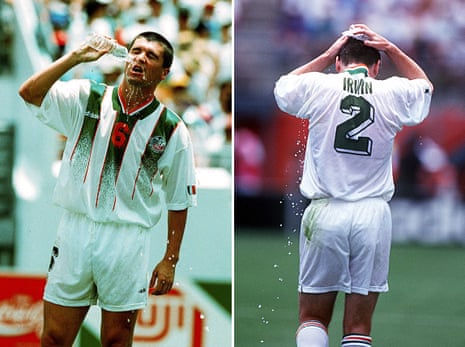
With only two substitutes permitted per team (except in the event of a goalkeeping injury), nine players from each side had to endure the full 90 minutes on the field.
Charlton tried to make a double substitution in the 66th minute with his team trailing 2-0, and although McAteer made a speedy entrance, Aldridge’s arrival was delayed by the officials, forcing Ireland to play with 10 men for four minutes. It sparked a memorable tirade from the striker, who called a blazer-wearing official on the sidelines a “twat” and a “cheat”.
“Jack told me and John to warm up before going on, which was ironic because we couldn’t have been any hotter,” says McAteer. “When you talk about heat stress and anxiety and decision-making, the heat definitely got to people,” he adds, referring to Aldridge’s rant.
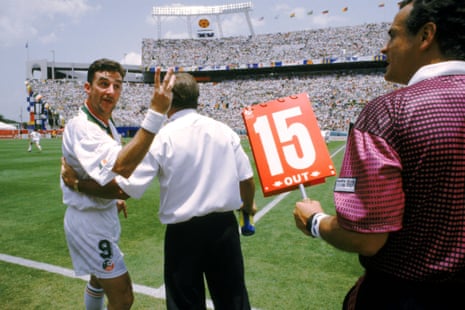
Aldridge’s late strike proved crucial in Ireland’s progress to the knockout phase, but on reflection even he thinks the match was ill-advised.
“It was ridiculous, nuts,” Aldridge says. “The conditions affected how we played, massively. When you went for a run you couldn’t get your breath back. It wasn’t just the heat, it was the humidity. People don’t realise how hard we had to work under Jack and that, added to the heat and the humidity, is the reason we struggled, especially in the fourth game against the Dutch. We couldn’t cope.
“Jack was saying before the Mexico game that someone could die without getting a drink of water, but [initially] no one listened to him. It looks like a dinosaur age in comparison to now, but it wasn’t that long ago.”
In fact, Charlton’s warning was almost prophetic. In the wake of the contest, Coyne was taken aside for a drugs test but was so dehydrated that he consumed an excessive amount of water before he could pass urine.
“He drank so much he basically flooded his body,” McAteer recalls, “and when we flew back to New York he took a really bad turn. All of the fluid and the pressure built up inside him and the pilot had to drop altitude to help him. That was a real health risk for him.”
With eastern parts of the US due to experience a “dangerous” heatwave this weekend, several fixtures at this year’s World Cup could take place in potentially hazardous conditions in stadia that lack roofing and air-conditioning – albeit later kick-off times should help to ease the heat. They include:
-
Argentina v Cape Verde, in Miami
-
Paraguay v France, in Philadelphia
-
Brazil v Norway, in New Jersey
It’s a throwback to 1994, but this time the players will be better protected, says McAteer. “I think Fifa does care about the welfare of the players now because they’ve introduced hydration breaks across the board,” he says, “even if they are also being used as tactical and commercial breaks”.
“But it might be a little bit different for England in their next game (against Mexico on Monday 1am BST) because they’re going to have to deal with the altitude in Mexico as well. That’s something they might not have envisaged. I don’t know how they could have prepared for that, other than actually being in that kind of environment.”
Additional reporting by Andy Hunter.