3 months ago
161
3 months ago
161
Norway’s Olympians stormed the mountains of Milano Cortina and left the rest of the world wondering how a nation of 5.6 million people regularly tops the Winter Olympics medal table, this year winning 18 gold medals and 41 medals overall.
They’re not bad at the Summer Olympics either, despite not playing to their obvious national geographical strengths, winning four gold medals and a total of eight medals in Paris 2024. But all this talk of medals detracts from looking more closely at what the Norwegians do to create one of the best and most sustainable sports systems in the world.
Reports have highlighted that there is no competitive sport in Norway for youngsters before the age of 12. Now think of all of Britain’s early talent-identification schemes, endless mini-leagues and ubiquitous “pathways”. Consider all those extra practices to secure the next trophy, anxous discussions about rankings, disappointment over selection decisions and the “devastating losses” on a weekend that should just be another ordinary yet fun day in a child’s life. Remember also the army of volunteers required to adjudicate, select and keep score in sport, rather than support, encourage and spread joy.
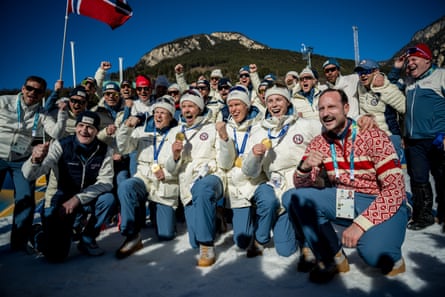
Norway has a national youth sports strategy based on the vision of “Joy of Sport for All”. There isn’t one here in the UK. There is a national sports strategy with the strapline “Get Active”, which feels more of a reprimand than an inspiring vision. While it’s true that sport and physical activity are mentioned in the new National Youth Strategy, it’s so buried within the generic text that I couldn’t find or feel the joy of sport coming through at all.
Let’s just dream for a moment. What if every youth coach, sports club volunteer, club leader – and let’s add in PE teachers too – had one overarching goal in their role description and annual aims? It could be a single principle underlying why they turn up each week, underpinning every conversation with a child entrusted to them: to create an experience of joy. What might be different? What might we gain or lose? What assumptions would that challenge?
It’s not that coaches and clubs don’t want to create joyous experiences, it’s just that there seem to be other priorities. The simplicity and clarity of the Norwegian youth sport system liberates them from archaic tropes that still seem prevalent in our system. The Norwegians even feel comfortable -– trigger warning – giving trophies out to every kid! That’s an idea I’ve only seen ridiculed in the UK, dismissed as “not real life”, soft, embarrassing, pathetic.
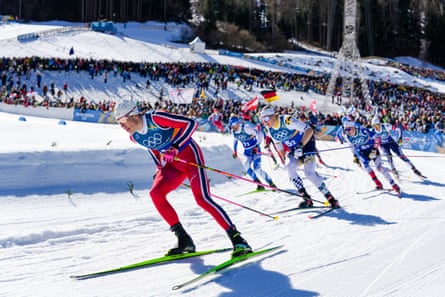
It’s usually cited as the ultimate vindication for competitive sport, ironically. Any slight shift towards sports festivals and greater enjoyment is undermined by a searing: “You’ll be suggesting everyone gets a trophy next.” Except, yes. That is what the mighty, heroic, mountain-conquering Norwegians do. They both happily give all children trophies as they grow up and at the same time deliver indomitable Olympic performances like we saw before us on the Livigno mountains.
What the Norwegians know – and we either miss or consider optional – is that the most important thing is that children enjoy sport and come back again and again. Norway plays the long game, proving that it isn’t essential to learn from the age of five that “sport is tough, to succeed you have to suffer”.
In so doing they demonstrate that truly resilient adults, including elite athletes, are best forged from a childhood full of thriving experiences of sport. Johannes Høsflot Klæbo won six gold medals at Milano Cortina and now has 11 golds in all, but only started in the performance system at 15 having enjoyed a range of sports growing up. In the UK we give out godlike status for less than half as many gold medals – you really wonder if we are going soft …
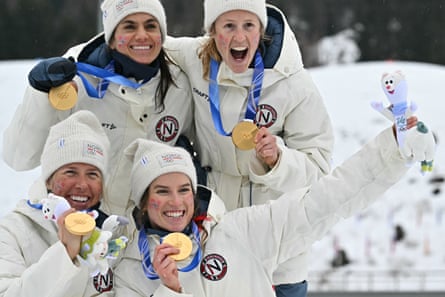
Norwegian children are not pressured into specialising too young: early bloomers are not favoured over others who blossom later, and the system invests consistently to ensure access to all. Schools have winter ski days and families ski together on the weekends. They avoid the damaging separation of children into those with “talent” and those traumatised by dropping the ball and being left out of teams.
UK reports show fewer than half of all children get a basic amount of daily exercise with rapidly increasing drop-out rates before reaching adulthood. In Norway, 90% of young children are active, and though it decreases, it’s still more than 70% for teenagers. Tore Øvrebø, Norway’s much-interviewed director of elite sport, questions why other sporting systems focus more on getting rid of young people than developing them. “The biggest motivation for kids to do sports is that they do it with their friends and they have fun,” he says. Research in the UK shows that the biggest reason why kids drop out is it stops being fun. It’s really that simple.
Back to imagining: more play and creativity, more time for developing skills and a wider range of movements and coordination, stronger team experiences and growing competence in building social connections. By being less competitive, something we seem almost afraid of considering, Norwegian children learn about sport much more effectively. That’s what we might describe as the paradox of the Norwegian approach, although to them, it’s just common sense.
A Norwegian friend now living in London – naturally just back from a few days cross-country skiing – told me the press were going wild about all the medals back home. They both love those hard-fought medals and at the same time realise it’s a mug’s game to run youth sport like that. Our pyramids and pathways mislead us.
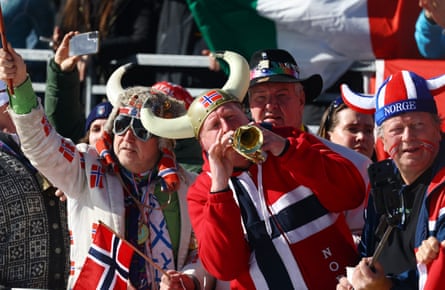
We have driven a deep divide between the ideas of sport for fun and “serious competitive sport” as if it’s an essential life truth. Every coach and sports leader should see it as their personal duty to undo this fiction. We need to design a national youth sports strategy around human flourishing, not suffering.
Coaching courses should help coaches figure out what’s required for children to want to come back and play sport throughout their childhood and adult lives. It’s the ultimate win-win: if we helped every child to love sport, we would get both better athletes and healthier humans.
-
Do you have an opinion on the issues raised in this article? If you would like to submit a response of up to 300 words by email to be considered for publication in our letters section, please click here.