3 months ago
140
3 months ago
140
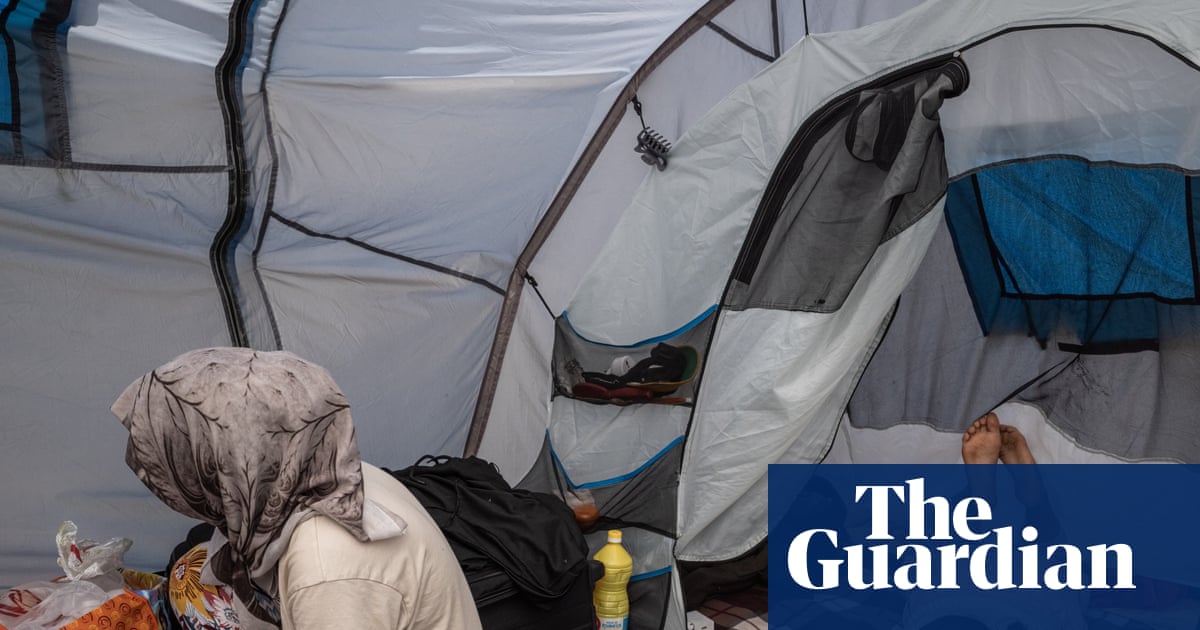
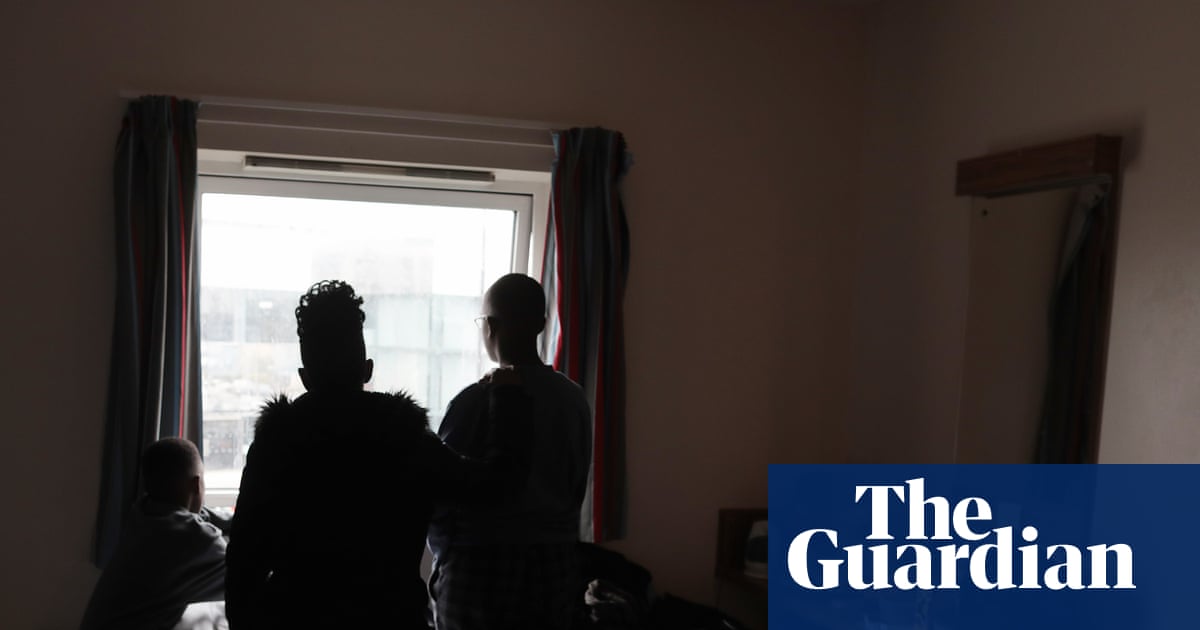
At midnight on Saturday, Alma* stood at the check-in counter at Karachi airport in Pakistan with her husband and three-year-old son, holding tickets she believed would finally take the refugee family to safety.
The Afghan journalist, who fled the Taliban in October 2024, had already been stopped from boarding two days earlier, on 26 February. Since they were flying with a tourist visa to a country in Africa, they had booked a flight from Karachi with a return leg that they did not plan to use. But the Pakistani officials at the airport refused to let them board.
This time, they had booked flights with a return leg to Kabul. But again, officials from Pakistan’s Federal Investigation Agency refused to let the family board.
“The officers told us to go back to Afghanistan and fly wherever we want to from there. They said we cannot fly to our destination from Pakistan.”
Within hours, she and her family would also be turned away from a hotel because of their Afghan passports.
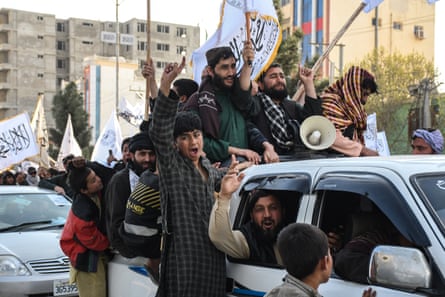
Alma’s ordeal is unfolding as Pakistan declares itself in “open war” with Afghanistan after escalating cross-border strikes last month on Tehreek-e Taliban Pakistan (TTP) militants, also known as the Pakistan Taliban, which Islamabad accuses Kabul of supporting.
Afghan refugees say the developments have triggered a sharp increase in police raids, arrests and deportations across major cities.
For the millions of Afghans living in Pakistan – many of them journalists, activists or former government officials who fled Taliban rule – the rising tension is translating into fear at their doorsteps.
Richard Bennett, UN special rapporteur on human rights in Afghanistan, says returning to their country will put them at “real risk of violent retaliatory attacks”.
Months of clashes have flared up since Thursday, when Afghanistan launched attacks along the frontier and Pakistani forces hit back across the border and with airstrikes on seven camps of the TTP.
After being not being allowed to board their flight on 28 February, Alma took a taxi to a nearby hotel. Staff allowed them in but after they saw their Afghan passports, they were ordered to leave.
“The employee opened the door and said you have one second to empty the room. When we asked for a reason, he replied, ‘It is an order from high up; I am just an employee who is tasked with implementing it.’”
Alma is a journalist with one of Afghanistan’s exiled media groups, covering the Taliban’s human rights violations. If she were to be deported to Afghanistan, she says, her work would put her life at risk.
“On Sunday, I woke up to the news of war in Iran and the protest in Karachi. For a few minutes I felt I was suffocating, couldn’t breathe and felt this is the end,” she says.
A friend in the capital, Islamabad, has offered her shelter, but she fears arrest at any moment. “I am an Afghan woman journalist with nowhere to go,” she says.
Other refugees living in Pakistan have described the police searching for and arresting Afghans.
In the city of Quetta, about 60 miles (100km) from the Afghan border, another Afghan woman, Leila*, describes the night she heard pounding knocks echoing through her building.
Her neighbour – an Afghan woman studying on a valid visa – had already seen her husband arrested two days earlier. When loud banging began at her door late at night on Friday, Leila suspected what was happening.
“At that moment, I said to myself that it must be the police, because my friend didn’t answer my message. I sat silently in my room. My mother was asleep. Since coming to Pakistan, I have been taking pills because of the intense stress; my heart was in severe pain and I was crying.”
Leila says three neighbours were arrested that night, including two with valid visas. “My friend later messaged that they were taken to the camp. After that, communication was cut off.
“Pakistani police used to take money and then let people go,” she says. “But now they only deport.”
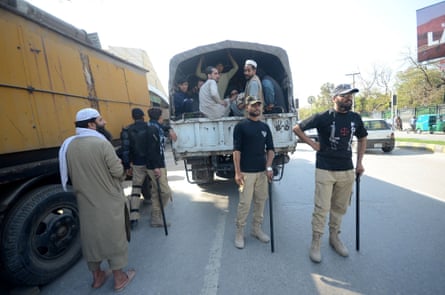
Across Karachi, Islamabad, Quetta and Peshawar, Afghans report new checkpoints and house-to-house searches.
Abdul*, an investigative journalist who fled Taliban rule after previously being deported from Iran, arrived in Pakistan in July 2025. His two-month visa was not renewed.
Since September, he has been arrested twice. “The first time, I paid 15,000 Pakistani rupees [£40]. The second time, I paid 20,000,” he says.
Abdul and his family rent a home under another person’s name. When police knock, a neighbour with valid papers answers. “When the police search house to house, we often hide outside,” he says. “That is how the police arrested me twice on the street.”
In a Facebook group of more than 44,000 Afghan refugees, posts since 26 February focus on sounding alarms about the areas the police are searching, checkpoints and safe areas.
“Tonight, after 12am, the police raided our neighbourhood and arrested all the men … it is not clear where they were taken,” one Facebook post says. “The situation is very bad,” says another. “Everyone should be ready to go back to Afghanistan.”