3 months ago
195
3 months ago
195
Reading to children from a young age leads to greater happiness, educational success, empathy and social mobility – no wonder the government wants to encourage everyone to do it more. To this end, next year has been decreed the National Year of Reading 2026. It couldn’t be more timely.
Reading is in crisis. Picking up a book for pleasure among children and young people in the UK is at its lowest level in 20 years. According to the National Literacy Trust, only one in three eight- to 18-year‑olds enjoy reading in their spare time – a 36% drop in two decades. The decline is worst among teenage boys and the poorest children. A quarter of pupils left primary school in England this year without adequate reading skills. All of this should be no surprise given that half of adults in the UK don’t read regularly themselves and research shows that many parents don’t enjoy reading to their children.
Reading, like storytelling itself, is a gift handed from generation to generation. If the link breaks, we risk losing the skills altogether. This is where initiatives like the National Year of Reading 2026 – which will distribute 72,000 new books to children with the greatest need for them – come in.
The first Children’s Booker prize, aimed at readers aged eight to 12, will be launched in 2026 and awarded annually from 2027. The inaugural award will be chaired by the children’s laureate Frank Cottrell‑Boyce and include young judges on the panel. The shortlisted and winning titles will be given to thousands of children. Aiming even younger, the Cultural Policy Unit thinktank is calling for library cards to be automatically issued to all newborn babies.
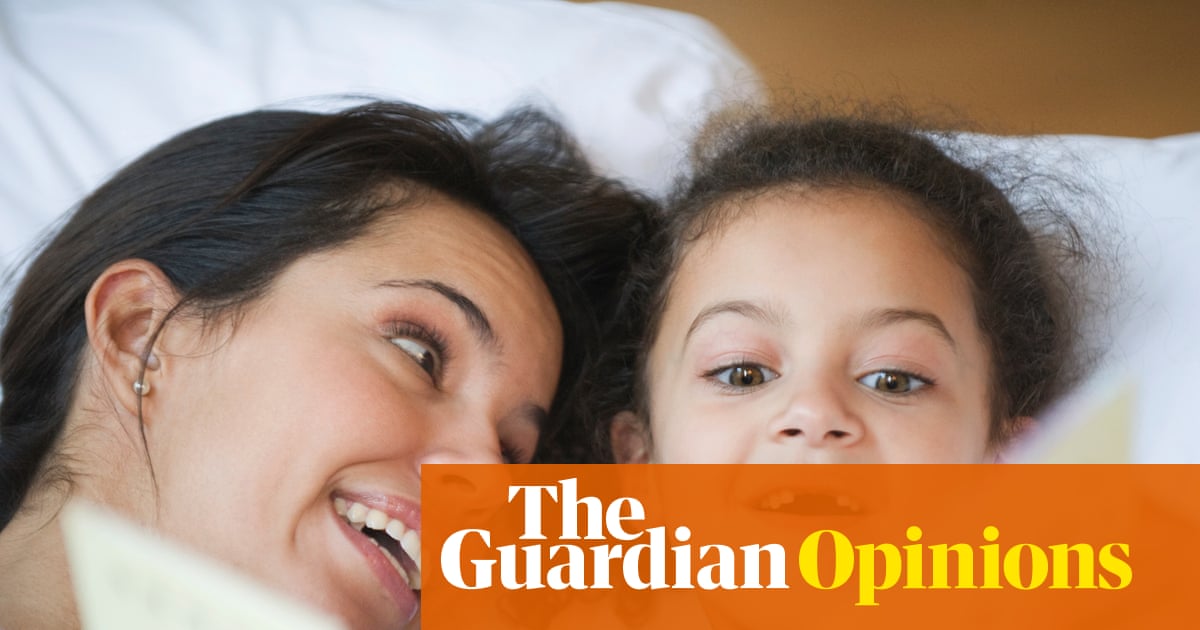
A child’s first 1,000 days are vital: shared reading is key to cognitive and emotional development. It is not just a question of literacy, but of bonding and attachment. This can be a magical time at the end of the day when child and adult come together “and the walls [become] the world all around”, as Maurice Sendak’s classic picture book has it. This is how we learn. And nothing on a screen can replicate these benefits.
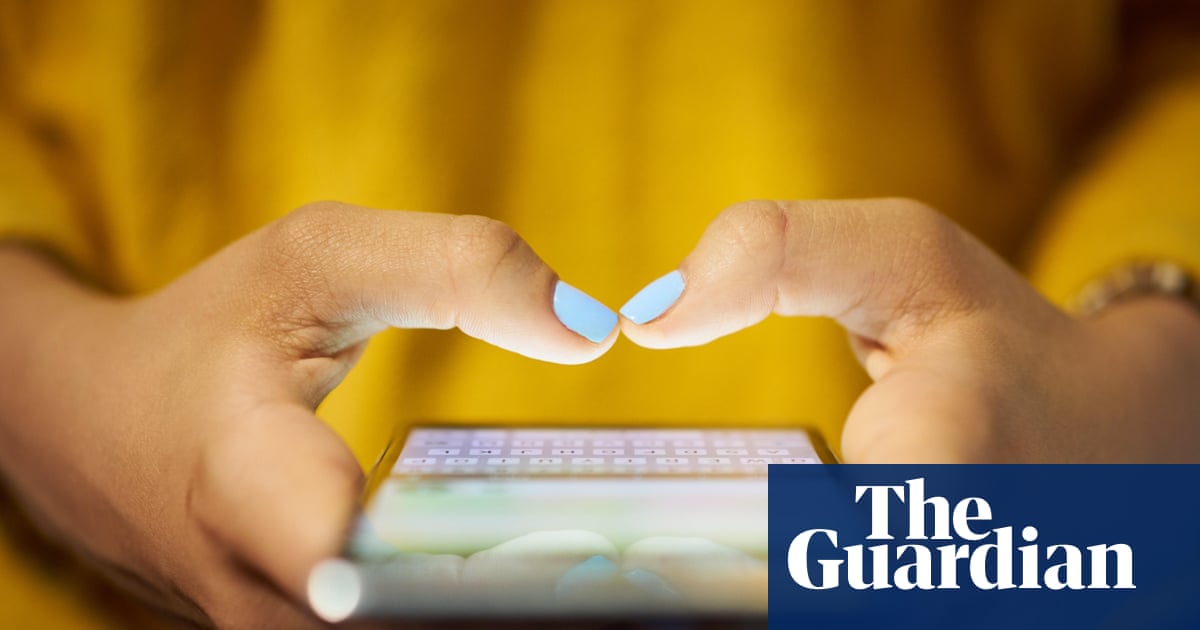
That a quarter of three- and four-year-olds in the UK now own a smartphone, and half of under-13s are on social media, is clearly a big part of the problem. But it is not the whole story. Child poverty is at a record high. Austerity has forced local libraries to close. Long working hours, solo parenting, health issues or different-aged siblings can make a bedtime story seem an impossible hurdle for parents. For too many, books are unaffordable and inaccessible.
Any initiative to foster new readers is a cause for celebration. But warm words must be backed up with action and funding. Free books and library cards for babies are useless without adult readers and well-resourced libraries. Rachel Reeves has promised to ensure that every primary school has a library. This should be a given, along with trained librarians, less overstretched teachers, improved provision for children with special educational needs and support for new parents and babies.
As Margaret Atwood writes in her poem Spelling: “A word after a word after a word is power.” We owe it to children to give them this power. Make a new year resolution to read more: to yourself, to a friend, to a child.
-
Do you have an opinion on the issues raised in this article? If you would like to submit a response of up to 300 words by email to be considered for publication in our letters section, please click here.