3 months ago
143
3 months ago
143
The price of oil is expected to soar on Monday while stock markets could tumble as the US-Israel war on Iran rattles investors.
US crude oil is on track to rise by 9% when trading resumes, according to data from the broker IG, after Tehran said on Saturday it had in effect closed the strait of Hormuz, a key oil choke point, reportedly prompting the halt of some oil shipments.
IG’s weekend markets showed that US crude oil could rise to more than $73 a barrel when trading resumes in New York late on Sunday, up from $67 a barrel on Friday night. That would be its highest level since June 2025, when the US launched strikes on Iran’s nuclear facilities, and threatens to feed through to higher prices for drivers at the pump.
Analysts at Barclays said the oil price could reach $80 a barrel in the event of a “material supply disruption”.
Royal Bank of Canada analysts said: “It is our understanding that regional leaders warned Washington about the contagion risks of another confrontation with Iran and indicated that $100-plus oil was a clear and present danger.”
In London, the FTSE 100, which hit a record high on Friday and had been close to breaking 11,000 for the first time, is expected to fall by about 0.5% on Monday morning.
Global investors are expected to seek out safe-haven assets on Monday. Gold, which has risen for the past four weeks, is up 2.25% to almost $5,400 an ounce on IG’s weekend markets, and silver is trading 3.2% higher.
Tony Sycamore, a market analyst at IG, said: “The weekend’s US and Israeli strikes on Iran have added fresh geopolitical uncertainty, particularly around possible disruptions through the strait of Hormuz.”
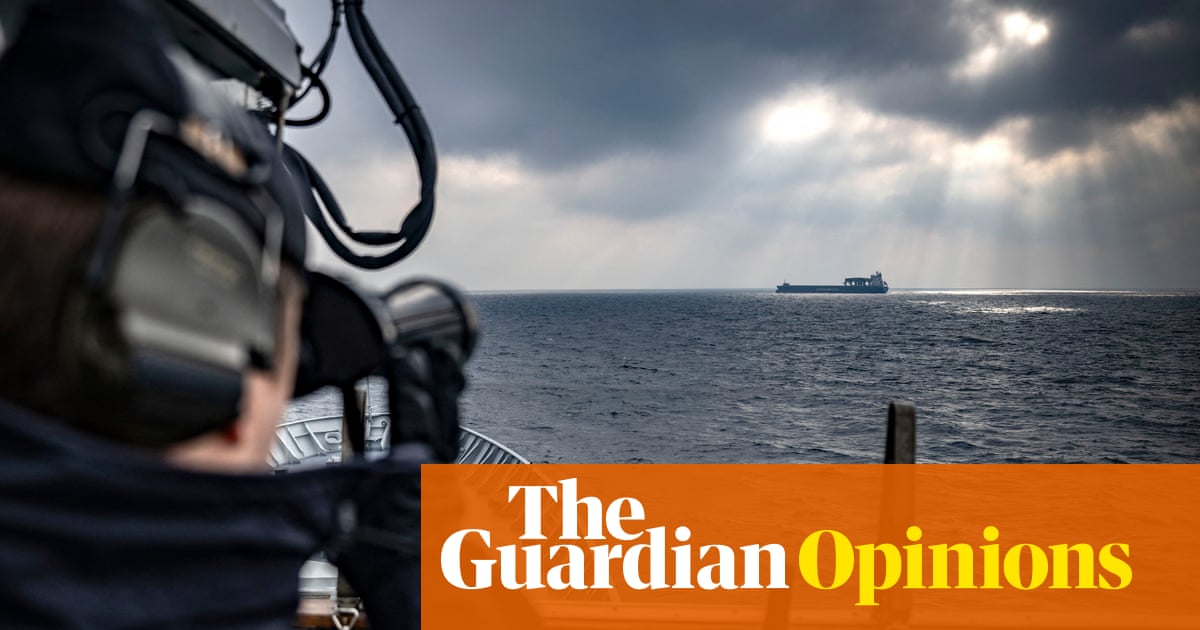
About a fifth of global oil consumption passes through the strait, and a closure would disrupt shipments from Saudi Arabia, the United Arab Emirates, Iraq and Kuwait as well as from Iran, leading to shortages and higher energy prices.
According to Reuters, several tanker owners, oil majors and trading houses have suspended crude oil, fuel and liquefied natural gas shipments through the strait of Hormuz.
Opec+, the cartel of oil producers, is meeting on Sunday, and could consider increasing oil output by more than expected to counter disruption.
Eight Opec+ countries have an agreement in principle to raise oil output by 206,000 barrels a day in April, compared with the original expectations of a 137,000 rise, Reuters reported.
The International Energy Agency (IEA) said it was actively monitoring events in the Middle East and the potential implications for global oil and gas markets and trade flows.
“Markets have been well supplied to date. I am in contact with ministers from major producers in the region & IEA governments about the situation,” the IEA’s director, Fatih Birol, posted on X on Sunday morning.
The conflict has also driven up the cost of insuring ships in the region, according to Dylan Mortimer, the marine hull UK war leader at the risk management consultancy Marsh.
“The primary risks centre on the Persian and Arabian Gulf, particularly the threat of vessel boarding and seizure by Iranian forces and the potential closure of the strait of Hormuz,” he said.
Oman said on Sunday that an oil tanker in the strait of Hormuz came under attack, injuring four mariners onboard. The attack targeted a vessel registered in the Pacific island nation of Palau, the state-run Oman news agency said.
Mortimer said attacks on shipping could have “major repercussions across war insurance rates”. He said: “Given the military buildup in the region, crew are far more likely to be concerned than they might have been to previous risks. The situation remains very fluid, requiring ongoing attention.”
Most stock markets in the Gulf region fell on Sunday. Saudi Arabia’s market lost 2.5%, pulled down by financial stocks, industrial companies and utilities, while Saudi Aramco’s shares rose by 2.5% following the jump in the price of crude.
Kuwait’s stock exchange suspended trade until further notice, citing the “exceptional circumstances” the country was facing.