3 months ago
167
3 months ago
167
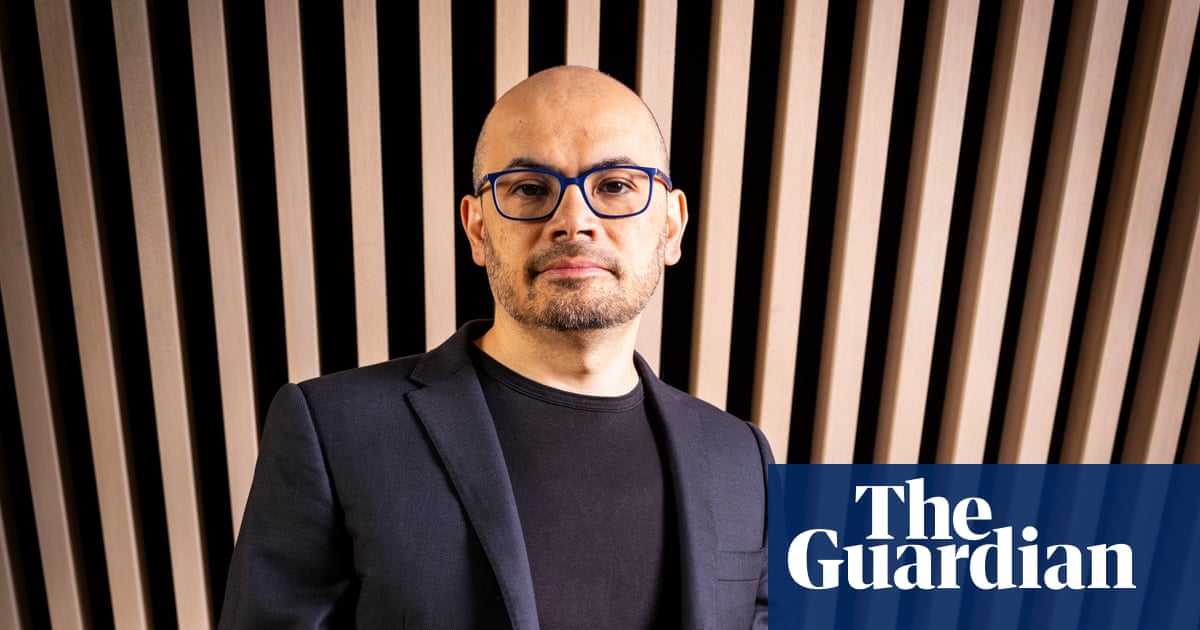
First he was a Tory councillor, before switching to Labour. Then came a stint in Ukip, followed by a return to the Conservatives that ended in ignominy amid a row over trees. And now, the much-travelled Richard Bingley is representing Reform.
If Bingley is elected to Thurrock council in Essex on 7 May, it will represent something of a resurrection for the man with a case for being Britain’s most ideologically free-ranging politician, coming three years after he quit as leader of another council – Plymouth.
Bingley, then in his second stint as a Tory, resigned after the authority cut down 110 mature trees in the centre of the city under the cover of darkness, having fenced them off and deployed security guards.
He signed the order to make way for a £12m regeneration scheme in the city centre despite vehement opposition from campaigners, prompting an outcry and national headlines.
Bingley responded by stepping down, saying in a statement he was “not a full-time politician”, adding: “If others feel they can run our glorious ocean city better, then that’s great with me. Over to you, I say.”
Bingley might not be a full-time politician – he is also a security and terrorism expert, spending time working at Buckingham University – but he is definitely something of a committed hobbyist.
He first emerged on Thurrock council in 1997, serving a term as a Conservative. In 2006, he was back on the same council, but in another ward and representing another party – Labour.
For at least some of this period, politics was Bingley’s full-time job, given he spent several years as Labour’s press officer for the east of England. He also did media duties for the trade union Unison and Campaign Against Arms Trade.
But then in 2014 came an ideological about-turn and Bingley’s first liaison with Nigel Farage; he changed allegiance to Ukip, speaking at the party’s annual conference.
“It was all quite unexpected,” said one Labour member who knew Bingley during his time in the party. “It was never really explained why he dropped us and went to the other side of the spectrum.”
Ukip was not a brief dalliance. In 2017, by which time Farage had stepped down, Bingley served as the party’s spokesperson on terrorism. He stood for parliament for the party in 2015 and 2017.
As Ukip drifted into infighting and irrelevance, Bingley vanished from the political landscape before resurfacing in 2021 about 250 miles to the west of Thurrock, and back with his original party, as a Conservative councillor in Plymouth.
Within just nine months, amid a period of factionalism and chaos in the Tory group, Bingley emerged as leader. Little more than a year later came the fateful decision to cut down the trees, and he was gone.
In a few months from now, Plymouth’s Armada Way regeneration project, for which the trees were removed, will finally open – including more trees than were felled in the first place.
Amid the many changes, ideological and geographical, what of the man and the politician? Former contemporaries recall Bingley as slightly elusive, forever busy with side interests including podcasts and his security work.
“The phrase I recall being used about him was that he rose without trace,” recalls one former opponent who observed him in Plymouth. “He became leader because he was the least-worst option. And then he was gone. It looks like Plymouth’s loss will now be Thurrock’s loss.”