1 month ago
107
1 month ago
107
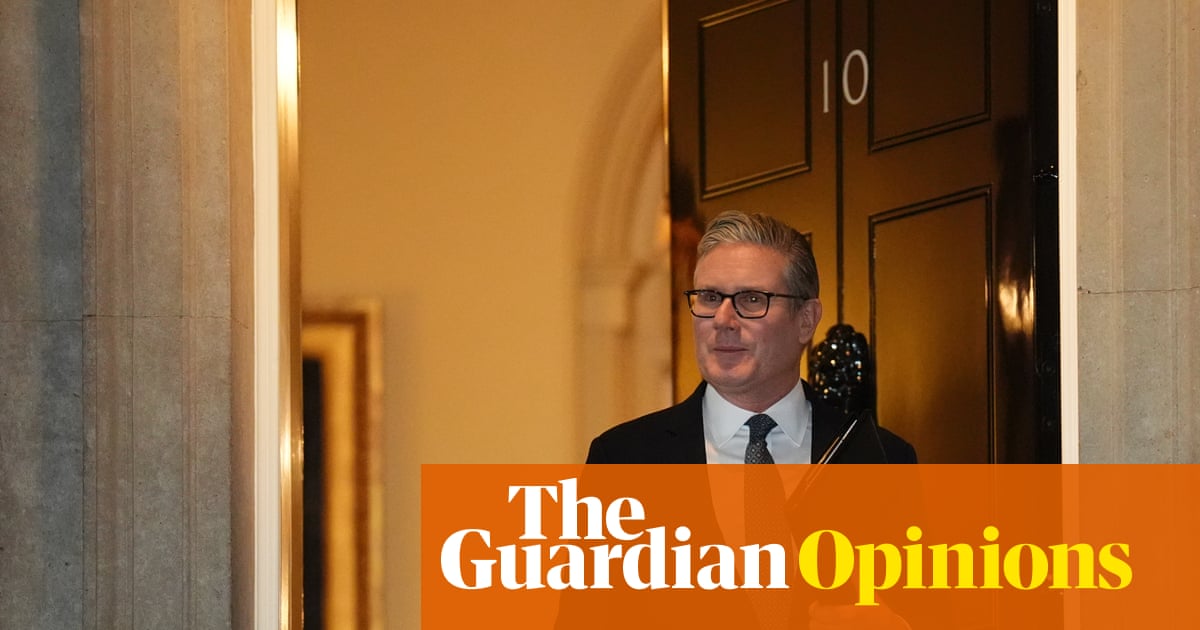
In the last 24 hours, the two men at the heart of the Peter Mandelson vetting scandal have given their version of events: Keir Starmer, the prime minister, and Olly Robbins, the man he sacked as the head civil servant at the Foreign Office.
Robbins’ testimony to the foreign affairs select committee on Tuesday completes much of the picture as to why Mandelson was given security clearance against the advice of vetting officials.
But there are several points on which Starmer and Robbins disagree. Here are some of them.
1. The significance of pressure from No 10
Robbins detailed at length on Tuesday the pressure he and his predecessor, Philip Barton, came under to appoint Mandelson quickly, saying it helped to explain why he felt he needed to overrule vetting officials’ recommendation to deny the Labour peer security clearance.
“The focus was on getting Mandelson out to Washington quickly,” Robbins said, adding: “Throughout January, honestly, my office [and] the foreign secretary’s office were under constant pressure. There was an atmosphere of constant chasing.”
Starmer did not deny on Monday that pressure had been applied to the Foreign Office to confirm the appointment, but he said this should not have changed Robbins’ decision or whether he told No 10 about the UK Security Vetting (UKSV) recommendations.
The prime minister told MPs: “I reject the idea that any pressure is a good reason not to disclose to the prime minister that UKSV recommended against clearance for a very senior, sensitive appointment. I simply do not accept that that is an adequate reason, whatever the pressure.”
2. Whether it was right to give Mandelson his clearance
Whatever the pressure Robbins says he was under, he insisted on Tuesday that the decision to give Mandelson security clearance had been the right one.
“There is quite a lot about this situation over the last year and a half I regret,” he said. “[But] I have no regrets about the work of my brilliant team and the judgment that we came to.”
This is the diametric opposite of what the prime minister believes.
Starmer said on Monday: “If I had known before Peter Mandelson took up his post that the UKSV recommendation was that developed vetting clearance should be denied, I would not have gone ahead with the appointment.”
3. Vetting a person after their appointment has been announced
Robbins made clear that one of his biggest regrets about the Mandelson appointment was that the prime minister announced it in December 2024, before the Foreign Office had completed its vetting processes.
He told the committee: “I regret that this process was not done before [the] announcement,” but said it would not have changed his decision if it had been.
The prime minister holds the opposite view, telling MPs on Monday: “For a direct ministerial appointment, it was usual for security vetting to happen after the appointment but before the individual starting in post. That was the process in place at the time.”
4. Whether Starmer should have been told about the UKSV recommendation
Even now, Robbins believes it was right to withhold UKSV’s recommendation from the prime minister.
He told the committee: “You are not supposed to share the findings and reports of UKSV other than in exceptional circumstances.”
Asked whether Mandelson’s appointment should have counted as an exceptional circumstance, he replied: “No. What I was told was absolutely within the normal parameters of a set of findings from UKSV.”
Starmer and No 10 continue to reject this, saying there is nothing to stop officials telling the prime minister about the recommendations made by security officials if not involving them in the decision itself.
The prime minister said on Monday: “The recommendation in the Peter Mandelson case could and should have been shared with me before he took up his post.”
5. The scapegoating of Robbins
Robbins made clear on Tuesday he felt mistreated over the past few days and did not believe he should have been sacked. He told the committee: “One scapegoat for this is enough.”
Starmer insists he was right to take action against the former civil servant. He said on Monday: “Sir Olly Robbins has had a distinguished career, and I have worked with him over a number of years.
“Nonetheless, he could and should have shared this crucially relevant information with me before Peter Mandelson took up his post, and he should have done at various points after that.
“It was because of that that I lost confidence in him.”