2 months ago
88
2 months ago
88
Skincare has never been so overwhelming, as we’re bombarded with ads for complicated-sounding products and TikTok routines that promise dramatic results in just days. I get it. Despite having been a beauty journalist for more than 15 years, even I haven’t been able to escape the noise; I’ve stood in front of a bathroom cabinet full of half-used serums, wondering why my skin was left feeling worse, not better.
Somewhere along the way, we were sold the idea that more steps, more products and more intensity equals better skin. But it rarely does, and what works best, ultimately, is consistency – which is boring (sorry) but effective.
Our skin works in cycles, so it’s worth remembering that you’ll need to wait at least six to eight weeks – a full renewal cycle – before you’ll notice any changes. While it’s tempting, constantly switching and layering multiple products is likely to leave your skin irritated rather than improved.
If you’re starting from scratch, keep things simple. A pared-back routine makes it easier to see what is working before you add anything extra. If your skincare shelf rivals your local Sephora, it’s probably time for a reset and return to the basics. You’ll be able to work out what your skin genuinely needs and what may simply be an expensive distraction. And, of course, for anything persistent or worrying, your doctor should always be your first port of call.
How to build a skincare routine, step by step
Step 1: understand your skin (before you buy anything)
Start by figuring out your skin type. Most skin falls into four categories: dry (often feels tight or flaky); oily (prone to shine and congestion); balanced (generally fairly well adjusted, but perhaps drier or oilier in some parts than others); and sensitive (reactive, easily irritated or prone to redness). A simple test: cleanse your skin, apply nothing and see how it feels after an hour.
Skin type isn’t fixed, however. Hormones, stress, illness, medication, age and even climate changes can all alter how skin behaves, which is why a routine that worked perfectly a decade ago may no longer work now.
Step 2: choose a cleanser

A good cleanser removes dirt, oil, sweat and other debris without stripping the skin of moisture. In the morning, it refreshes; at night, it clears away SPF, makeup and more. Traditionalists may insist that soap works fine, but soap can be drying and harsh – and that means your choice of cleanser makes more difference than you think.
If you have dry skin: a cream cleanser removes makeup and leaves skin feeling soft post-wash.
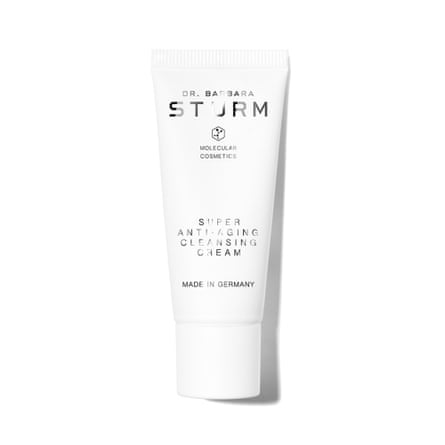
Dr Barbara Sturm super anti-ageing cleansing cream, 20ml
If you have sensitive skin: a milk cleanser wipes off, rather than washes off, for skin that may find water too drying.
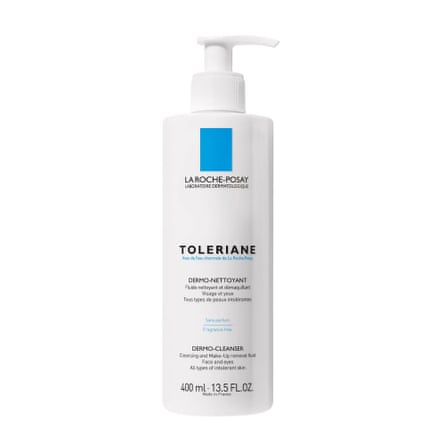
La Roche Posay Toleriane dermo cleanser, 400ml
If you have oily skin: you may prefer a gel cleanser such as this one, designed to remove pore-clogging daily build-up that can lead to spots.
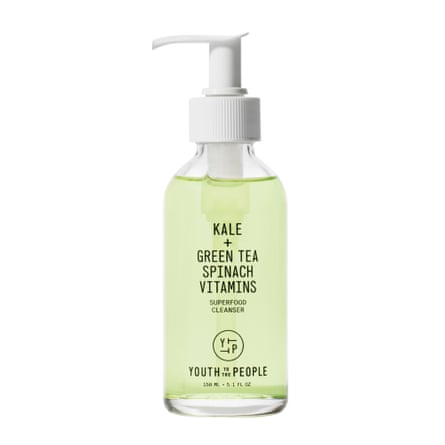
Youth to the People Superfood cleanser, 150ml
If you have balanced skin: you can pick whatever formula you like. But I rate this one; it’s gentle but gives a deep clean.
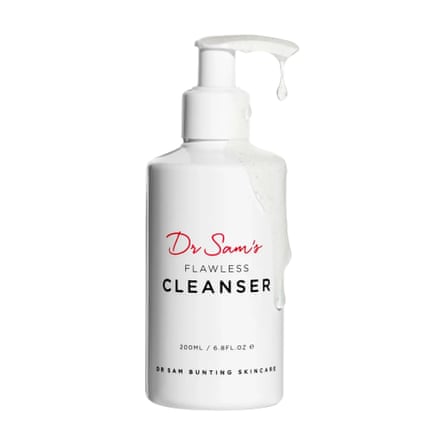
Dr Sam Bunting Flawless face cleanser, 200ml
Makeup wearers may also want a micellar water on hand to lift any leftover residue without irritation. They’re best used to remove makeup before water cleansing. It’s always better to use these rather than wipes (better for the planet and less likely to leave a residue on your skin). This is a reliable option and gentle enough for sensitive skin.
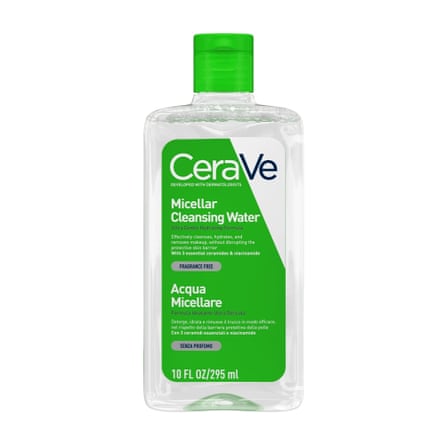
CeraVe micellar cleansing water, 295ml
Double cleansing is the practice of using an oil-based cleanser – such as this brilliant one from Haruharu Wonder – to remove makeup, skincare and daily grime, followed by a more traditional foaming, gel or cream cleanser to deep cleanse the skin. If you can follow this method, it’s the best way to cleanse your skin thoroughly in the evening.
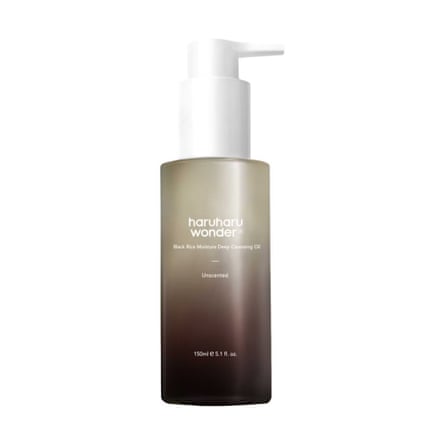
Haruharu Wonder Black Rice cleansing oil, 150ml
Step 3: pick a serum
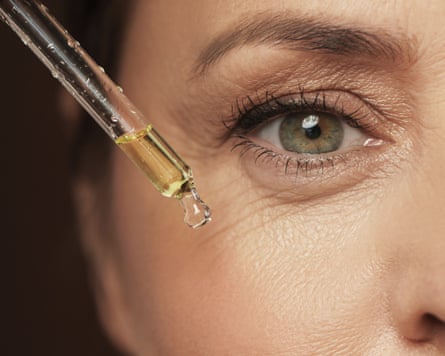
Next up is a serum, which is applied to the skin after cleansing. It differs from a moisturiser in that the molecules are smaller, allowing ingredients to penetrate deeper into the skin. Serums are concentrated formulas, typically designed to boost hydration, deliver antioxidants that protect against free-radical damage, or target specific concerns more directly. This is the reason a serum is often more expensive. So, if you’re prioritising your budget, invest in your serum and save on your moisturiser, which primarily acts as a seal to lock everything in.
Although there are serums that target specific concerns, many of the best formulas adopt a multifaceted approach. I’ve tried hundreds of serums, and I saw noticeable results from these.
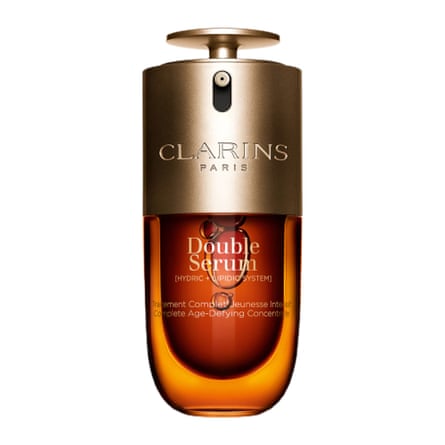
Clarins Double serum, 30ml
A firm favourite for all skin types, delivering a generous dose of antioxidants and hydration.
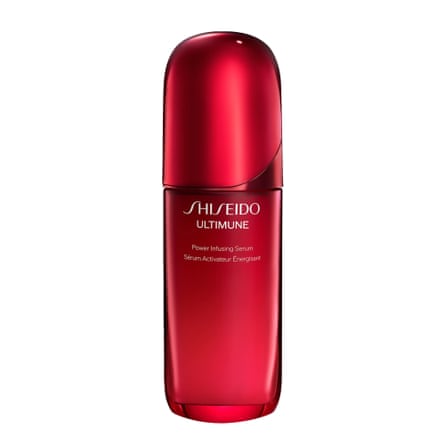
Shiseido Ultimune power infusing concentrate, 30ml
Another decent all-rounder, hydrating and using bio-fermented extracts to boost the skin’s quality.
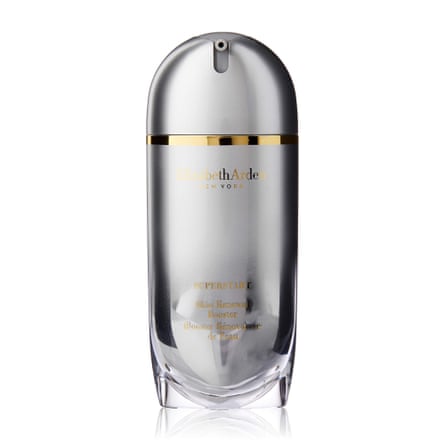
Elizabeth Arden Superstar skin renewal booster, 50ml
Brilliant for hydration and rebalancing the skin with a dose of probiotics.
Step 4: find the right moisturiser
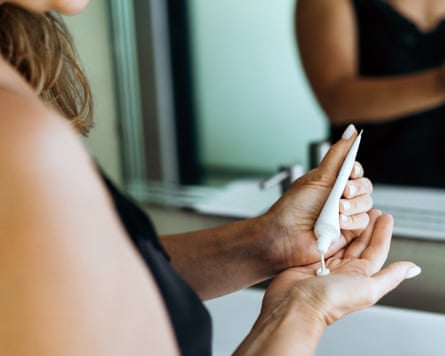
A moisturiser has one key job: to support the skin barrier by keeping moisture in and irritants out. Ultimately, the best moisturiser for you is the one you enjoy using and apply consistently. That said, texture and formulation matter. Here’s how to choose.
If you have dry skin: dry skin lacks water and oil, so heavier creams help seal in moisture, reduce water loss and soften dry patches. Look for rich, cream formulas that feel comforting and reapply well.
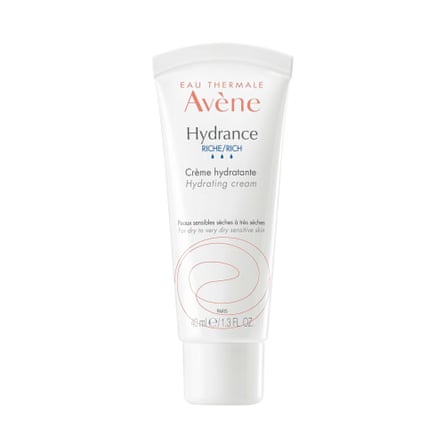
Avène Hydrance rich hydrating cream, 40ml
If you have oily skin: your skin still needs hydration, but creams can sit on the surface, increasing shine or congestion. Gels and lotions add water without excess oil, helping balance skin rather than overwhelm it. Try this one for hydration without heaviness.
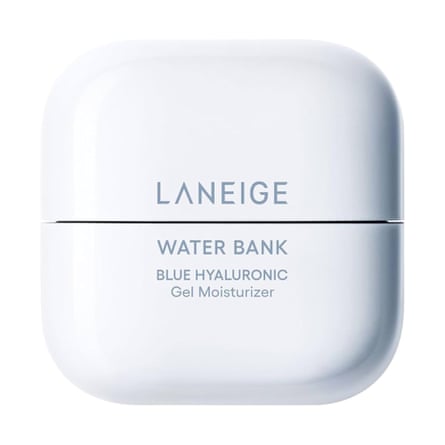
Laneige Water Bank Blue hyaluronic acid gel moisturiser, 50ml
If you have sensitive skin: choose a moisturiser with ceramides. These barrier-strengthening lipids help repair compromised skin, reducing itchiness, inflammation and sensitivity over time. As someone who suffers from eczema on the face, this one from Aestura is my new go-to.
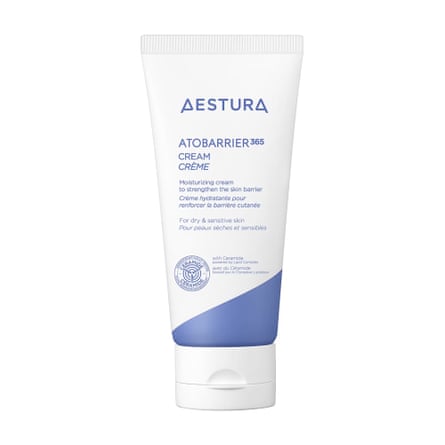
Aestura Atobarrier365 cream, 45ml
If you have balanced skin: texture preference can guide you here, so if your skin feels comfortable, hydrated and doesn’t react, it’s a sign your moisturiser is doing its job. Tatcha the Dewy cream feels light on the skin, moisturises, and leaves a glass-like finish.
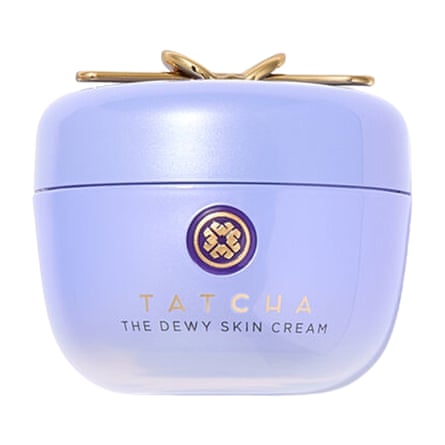
Tatcha the Dewy skin cream, 50ml
Step 5: wear an SPF daily
Even in the UK, a daily SPF of 30+ is advisable, particularly if you’re outdoors or in direct daylight. UV damage happens on cloudy days and through windows, and sadly, no skincare can undo what consistent sun protection prevents. These are some of the best and easiest to wear on the market.
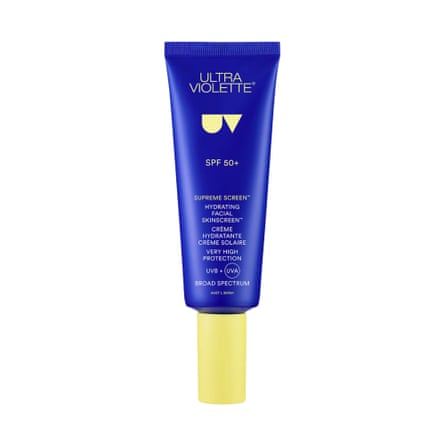
Ultra Violette Supreme Screen SPF50, 50ml
Lightweight, comfortable to wear during the day, and doesn’t bobble under makeup.
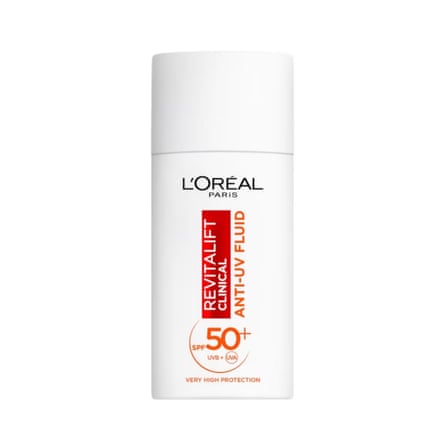
L’Oréal Revitalift invisible UV fluid SPF50+, 50ml
This is ideal for anyone looking for a light SPF with extra antioxidant protection to help ward off sun damage.
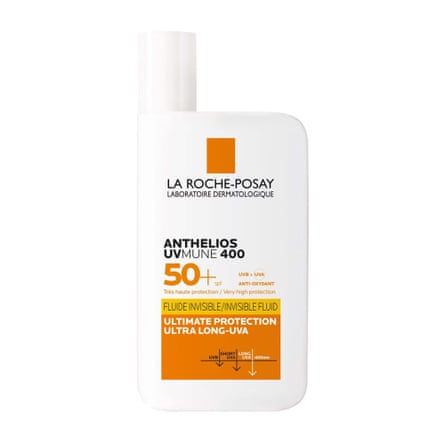
La Roche-Posay Anthelios UVMune 400 SPF50, 50ml
A light SPF milk that’s fragrance-free and ideal for sensitive skin and sports fans since it’s sweat- and water-resistant, too.
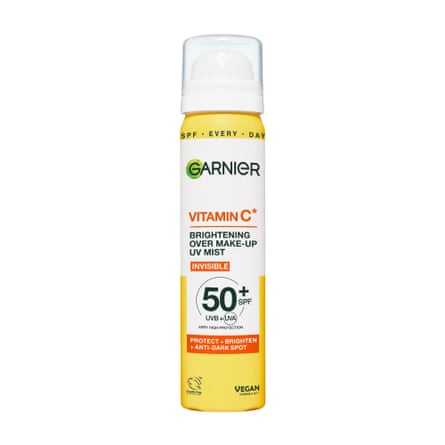
Garnier Vitamin C Brightening mist SPF50, 75ml
Rich in antioxidants, this over-makeup spray is ideal for top-ups when you’re on the go – without making your face look greasy or disrupting your makeup.
For more SPF recommendations, read Sali Hughes’s favourite face and body sunscreens
Once you’ve nailed the basics, you can add in “active ingredients”. These are the products in your routine that do something measurable. Used well, they’re brilliant; used all at once, they’re often the reason skin goes haywire. The golden rule is to add one active at a time – think of it as a treatment course until you’ve finished the product – but always stop if your skin feels sore, tight or inflamed. These are the big names.
Retinoids
These are vitamin A-based products that speed up cell turnover and can improve acne, texture and fine lines. They require slow introduction – once or twice a week to start, at night – and patience. Be aware that they may increase daylight sensitivity, so you’ll need to wear an SPF in the daytime if you’re using them. On the days you’re not using a retinoid, use your regular moisturiser or night product (and, of course, your SPF).
If you’re new to vitamin A, try the Inkey List’s Starter retinol serum. Once you’re sure your skin is tolerating it well, you can move up to a stronger formula such as Skin Rocks Retinoid 2 (£80 for 30ml) or Retinoid 3 (£90 for 30ml).
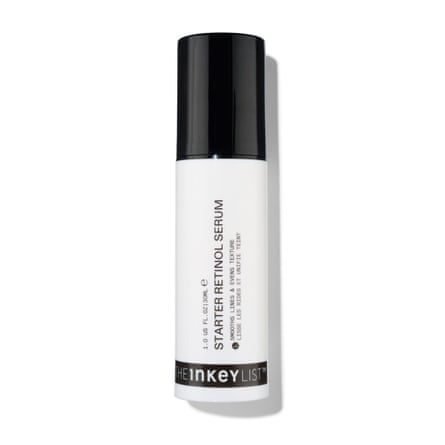
The Inkey List Starter retinol serum, 30ml
Vitamin C
This is an antioxidant that brightens skin, helps protect against environmental damage, and supports collagen production. It works best when used in the morning, layered under SPF, and is particularly helpful for enhancing sun protection. Medik8 Vitamin C-Tetra serum is brilliant for sensitive skin (vitamin C can be an irritant), and Skinceuticals CE Ferulic vitamin C serum (£169 for 30ml) is one of the most potent, stable and effective vitamin C products on the market.
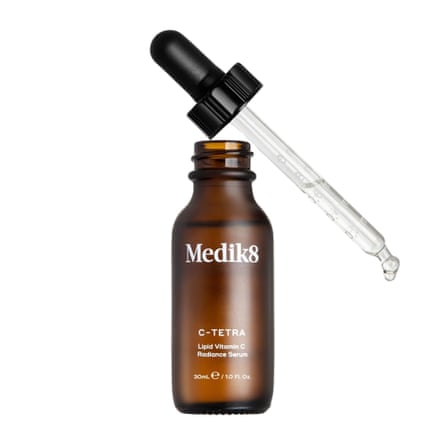
Medik8 Vitamin C-Tetra serum, 30ml
Acids
Acids are a smarter way to exfoliate. Traditional scrubs can cause microtears and irritation, while acid products such as AHAs and BHAs exfoliate by dissolving dead skin cells to reveal brighter, fresher skin underneath. More isn’t better, though: once or twice a week is plenty to support what your skin already does naturally.
So which to choose? Salicylic acid is good for oily or congestion-prone skin – Paula’s Choice 2% BHA liquid exfoliant is my go-to during breakouts. If your skin is balanced, dry or unreactive, then the Ordinary Glycolic Acid 7% (£6.40 for 100ml) is a great all-rounder, although sensitive skin types may prefer a mix of lactic and mandelic acids, which you can find in Skin Rocks the Gentle Acid (£53 for 150ml). Yepoda the Porefect Pad toner pads (£25 for 120ml) contain a mix of acids and soothing rosewater, making them great for all skin types, and arrive presoaked so they’re easy to use.
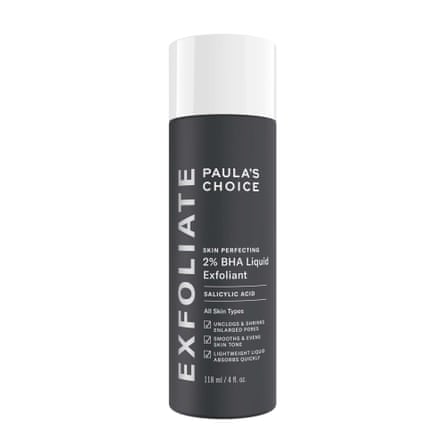
Paula’s Choice 2% BHA liquid exfoliant, 118ml
Step 6: pick a night product
You can, of course, use your daily moisturiser at night to keep things simple. But overnight skin is in repair mode, meaning any active ingredients can work more effectively. When choosing a night product, consider its texture: a richer cream can help prevent water loss while you sleep, while a potent serum makes the most of that natural repair window.
Ingredients commonly found in night creams include niacinamide, which helps regulate oil, calm redness and strengthen the skin barrier, and peptides, which support skin repair and help maintain firmness by encouraging collagen function.
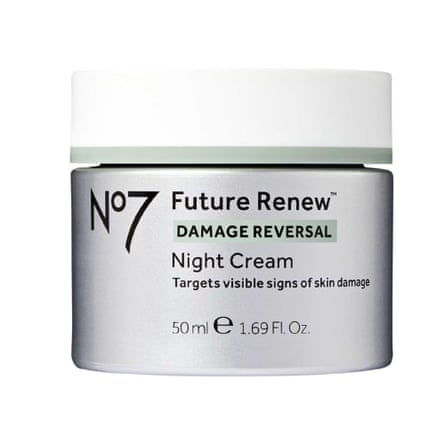
No 7 Future Renew Damage Reversal night cream, 50ml
I rate this No 7 cream, which contains niacinamide and peptides to leave skin feeling soft.
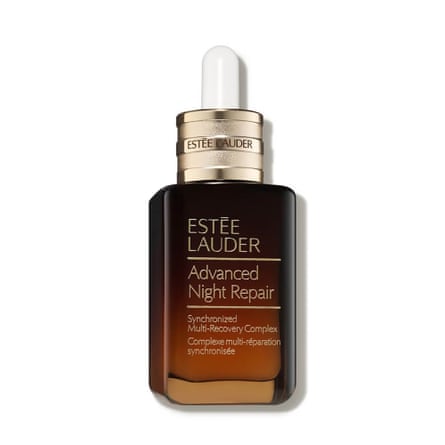
Estée Lauder Advanced Night Repair, 30ml
This is laden with peptides and moisture-boosting hyaluronic acid. Its serum texture is ideal for anyone who doesn’t like the feel of a heavy cream at night.
What order to apply your skincare, step by step
In the morning, keep it simple: cleanse, use a serum, moisturise and finish with SPF. That’s enough to protect your skin and set it up for the day. If you want to use an active, such as vitamin C, use it before your regular serum and moisturiser, right after cleansing.
At night, the focus is repair: cleanse and use active ingredients, such as retinoids. Depending on the formulation – your retinoid could be a serum or a cream – you may want to finish with a gentle moisturising/night cream. If your skin is sensitive, ensure this cream doesn’t contain too many active ingredients. Something calming like Dr Althea 147 barrier cream (£19.79 for 50ml) is ideal.
Troubleshooting (only when you need it)
This is the optional layer for anyone who needs to target specific issues.
For blemishes or breakouts: targeted treatments such as salicylic acid, benzoyl peroxide or sulphur work best when used sparingly on problem areas, rather than all over the face. For immediate relief, Murad Rapid Relief blemish spot treatment helps quell inflamed spots, while the Mighty Patch Original spot stickers (£6.39 for 24) draw the gunk from spots overnight.
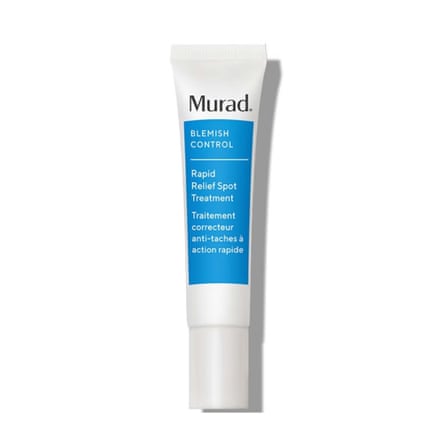
Murad Rapid Relief spot treatment, 15ml
Face masks: these are a helpful weekly treatment. Before an event, or on a dehydrating flight, try a hydrating sheet mask, such as this Hada Labo one. For a weekly at-home facial, a deep cleansing mask such as this Omorovicza Ultramoor mud mask is incredible. Follow that with a more nourishing one like this one from Summer Fridays for an at-home facial.
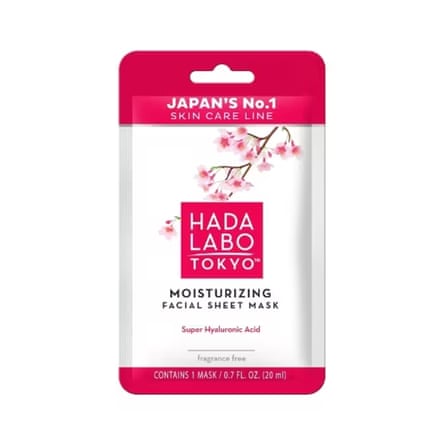
Hada Labo Tokyo moisturising sheet mask
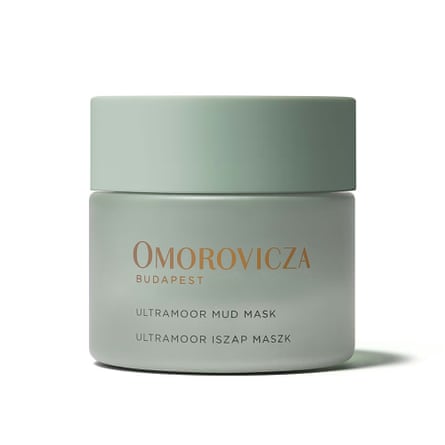
Omorovicza Ultramoor mud mask, 50ml
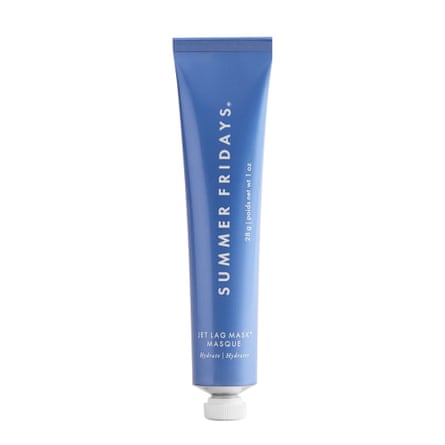
Summer Fridays Jet Lag mask, 28g
For more:
The best anti-ageing creams, serums and treatments
The best eye creams, tested
What skincare experts do to their skin
Anita Bhagwandas is a beauty editor and consultant obsessed with finding products that actually do what they promise. When she’s not helping beauty brands shape their diversity strategy or trend forecasting, she writes for titles such as Condé Nast Traveller, Elle, Allure, Vogue and many more. An expert with more than 15 years in the beauty industry, she is the author of Ugly: Why The World Became Beauty Obsessed and How To Break Free and writes the beauty culture newsletter the Powder Room