3 months ago
154
3 months ago
154
Special relationship is not 'hanging on to Trump's words', says Starmer
Tory MP Gareth Bacon asks if the prime minister’s “dithering response” over Iran has made the special relationship with US stronger or weaker.
Starmer says American plans are operating from British bases, UK jets are shooting down drones and missiles to protect US lives in the Middle East and intelligence is being shared.
“Hanging on to president Trump’s latest words is not the special relationship in action,” he says.
Key events Show key events only Please turn on JavaScript to use this feature
Responding to the Tories’ Burghart, Jarvis said charging decisions were for the CPS but said the previous case was being brought under the Official Secrets Act, but he said of the legislation under which today’s charges were brought:
I confident that the National Security Act of 2023 provides the robust legislation we need to address the threats that we undoubtedly face.”
Jarvis also said no “final decisions” had been made about countries being placed in the enhanced section of the foreign interference registration scheme (FIRS).
Shadow Cabinet Office minister Alex Burghart said: “Here we are again, another year, another Chinese spy scandal, and the backdrop to it is this government’s failed policy of appeasement.”
Burghart asked Jarvis for the government not to let the case collapse, for ministers to summon the Chinese ambassador and whether China would be placed on the “enhanced tier” of the foreign influence registration scheme (FIRS).
He said: “Here we are again, and we will, unless this government finally steps up, be back here time and time again.”
Today’s arrests follow the collapse of a previous alleged spying case which included a former parliamentary researcher and a teacher who denied charges under the Official Secrets Act. The collapse of the trial sparked a prolonged blame game over who was responsible for it not proceeding.
It also comes amid continued concern over the approval for China’s mega-embassy in London.
Jarvis told MPs: “Let me be clear, if there is proven evidence of attempts by China to interfere with UK sovereign affairs, we will impose severe consequences and hold all actors involved to account.”
He said of this morning’s arrests.
The National Security Act provides our intelligence agencies and law enforcement with the modern legal tools they need to deter, detect and disrupt the full range of state threats.
The action counter-terrorism police have been able to take this morning is an example that that legislation is working well.”
Dan Jarvis said: “The government has been consistent and unambiguous in our assessment that China presents a series of threats to the United Kingdom.”
The security minister added: “We remain deeply concerned by an increasing pattern of covert activity from Chinese state-linked actors targeting UK democracy.”
Now PMQs has finished, security minister Dan Jarvis is giving a statement on the arrest of three men – including the partner of a sitting Labour MP – on suspicion of spying for China.
Partner of sitting Labour MP among three arrested on suspicion of spying for China

Pippa Crerar
The partner of a sitting Labour MP is among three men who have been arrested on suspicion of spying for China, the Guardian understands.
The Met Police took the men into custody on Wednesday morning on suspicion of assisting a foreign intelligence service, and as part of a wider investigation into national security offences related to China.
Detectives from counter-terrorism policing London, which is leading the investigation, arrested a 39-year-old man in London, a 68-year-old man in Powys, Wales, and a 43-year-old man in Pontyclun, Wales. The police have not identified the men, who remain in custody.
However, sources told the Guardian they included the partner of a Labour MP. A second person is understood to be the partner of a former Labour MP. The identity of the third, or whether they have any links to parliament, is unknown.
The police said the arrests were part of a “proactive investigation” and that there is not an “imminent or direct threat to the public”.
As well as searches at the addresses where the arrests were made, counter-terrorism detectives are carrying out searches at what it understood to be residential addresses in London, East Kilbride in Scotland, and Cardiff in Wales.
Security services have been investigating foreign interference in UK democracy, including attempts to obtain information on policymaking and interfere with sovereign affairs.
Previous cases of alleged spying within parliament have caused deep concern in Westminster, prompting warnings of a serious “systemic challenge” to British democracy.
PMQs - snap verdict
Tom Ambrose
As expected, much of the time at today Prime Minister’s Questions was used to grill Keir Starmer over his response to Donald Trump’s strikes on Iran.
Opposition leader Kemi Badenoch made the early running, demanding the Starmer explain why the RAF is not following the US in attacking Iranian missile sites. She also called out the Labour government for not acting hard or fast enough, with HMS Dragon still in Portsmouth and unlikely to be in a position to defend Cyprus for at least one week.
Starmer, however, appeared calm and composed when he said he was not prepared to involve the UK in a war “unless satisfied there was a lawful basis and a viable, thought through plan”, a thinly-veiled suggestion that Trump had maybe not thought his war plans through.
And Trump was to rear his head once again, later in the session, when Tory MP Gareth Bacon thought he was setting some sort of trap in asking whether the ‘special relationship’ between the UK and US was stronger or weaker this week.
Starmer reeled off the copious ways Britain is assisting its American allies – including allowing them to use air bases and shooting down drones in the Middle East – before concluding:
Hanging on to president Trump’s latest words is not the special relationship in action.
A lesson there perhaps that some of the Trump acolytes on the opposition benches would do well to heed. The prime minister also reinforced several times over that everyday people watching PMQs were concerned how Trump’s latest war would hit them financially.
Badenoch, gracelessly, claimed Labour is “pathetic and weak” to spend money on welfare instead of defence, while Liberal Democrat leader Ed Davey warned households could face a £500-a-year increase in energy bills.
Commentators have claimed throughout the week that the prime minister has essentially been caught between a rock and a hard place over how to respond to Trump’s war. Although choosing his words carefully and pragmatically, Starmer doubled down on his previous assertion that he does not believe in “regime change from the skies”.
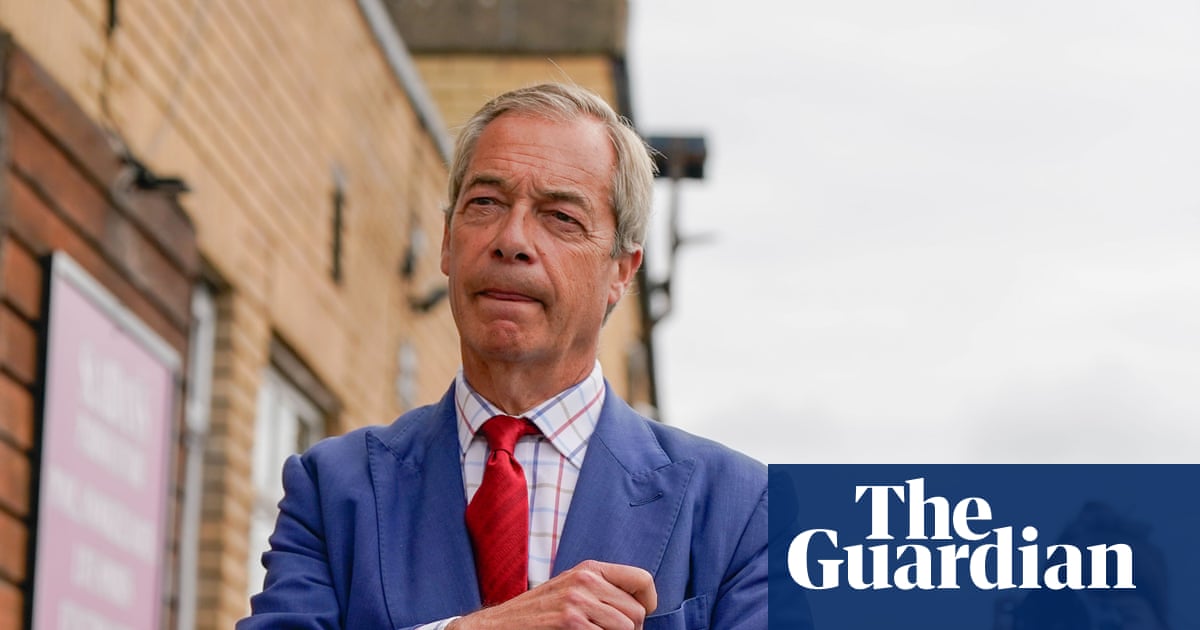
Given that, according to a YouGov poll today, just one in 10 Britons believe the UK should join the US in attacking targets in Iran, perhaps the prime minister is more in tune with the public than the likes of Nigel Farage, who earlier advocated for Britain to join the war (see post 10.42).
Special relationship is not 'hanging on to Trump's words', says Starmer
Tory MP Gareth Bacon asks if the prime minister’s “dithering response” over Iran has made the special relationship with US stronger or weaker.
Starmer says American plans are operating from British bases, UK jets are shooting down drones and missiles to protect US lives in the Middle East and intelligence is being shared.
“Hanging on to president Trump’s latest words is not the special relationship in action,” he says.
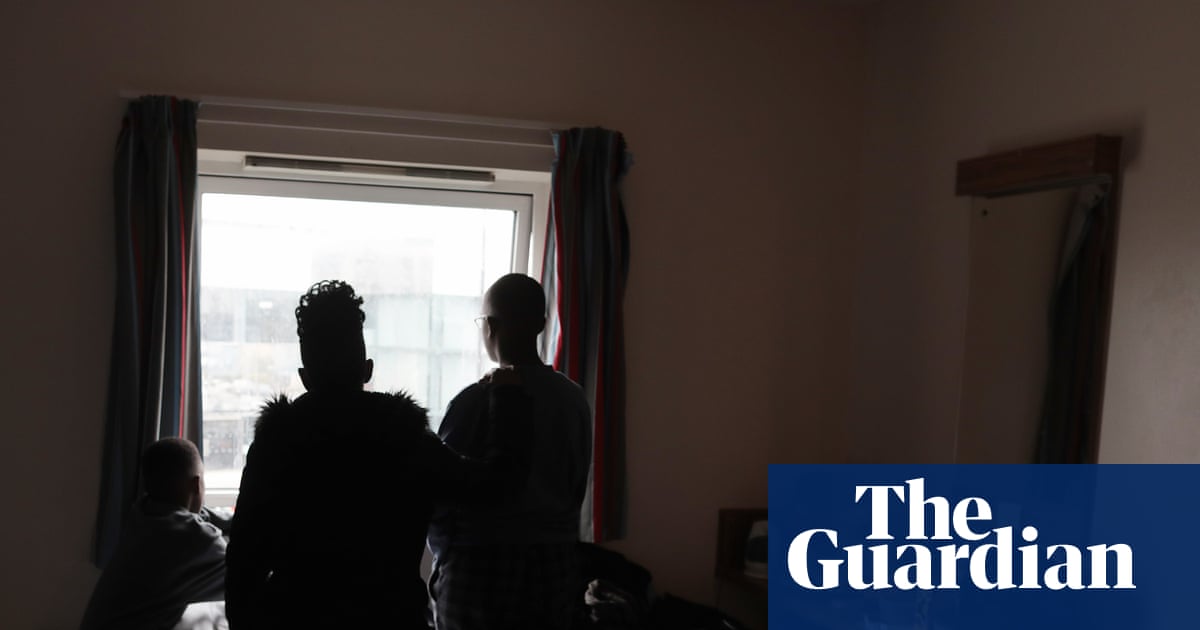
Tooting MP Rosena Allin-Khan asks if Starmer agrees that an urgent review is needed into children living in temporary accomodation.
“Every child deserves a safe and secure home,” the prime minister says, adding the government has invested £950m in the local authority housing fund.