5 hours ago
4
5 hours ago
4
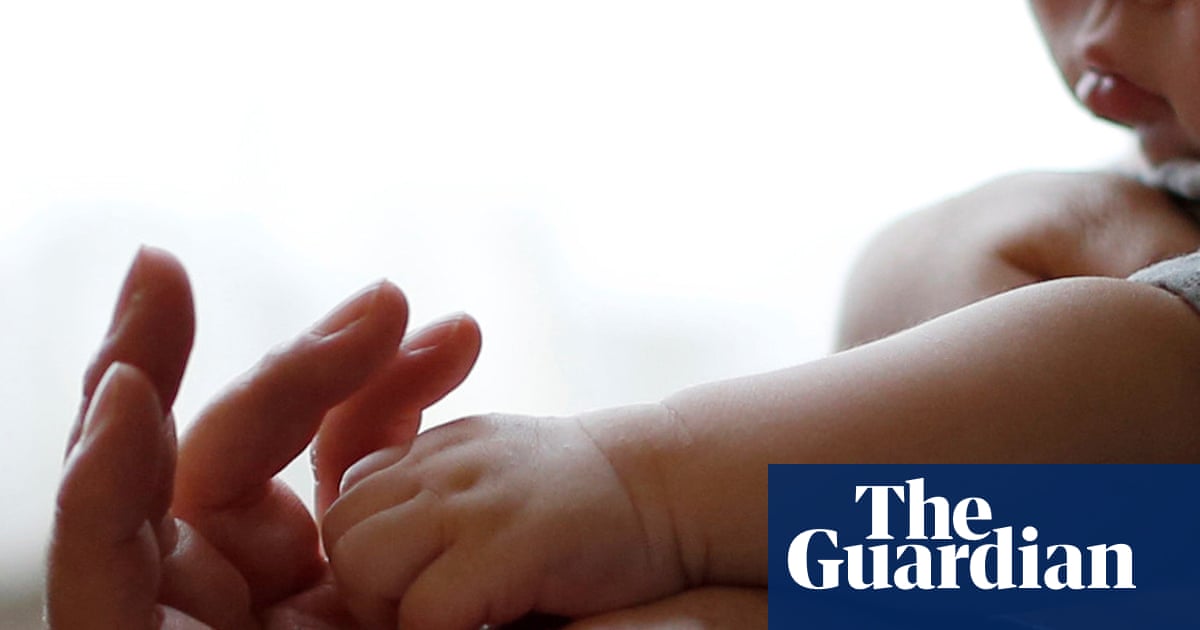
The scale of the suffering at first threatens to make you numb to it. The 90-minute documentary Stolen Babies is as unsparing as it is unsentimental and opens with a bald statement of verified fact: “Between 1949 and 1976 over 250,000 unmarried mothers in the UK were forced into handing their newborn babies over for adoption.” State apparatus facilitated this every step of the way, supported by religious institutions. These institutions ran, or were involved with running, the mother and baby homes to which the girls and young women were banished (“They do not quickly acknowledge themselves as sinners,” notes one report on its inmates), along with self-proclaimed moral welfare societies and the NHS.
The statistics are appalling. The details are worse. Some of the women whose stories are told in the film became pregnant by boyfriends. Some were victims of rape. Joan Chambers was 14 when a teacher took her for a walk in the woods. “I trusted him, I really did … All I remember was the pain. I honestly didn’t know what was happening.”
Ann Keen was 17 when she went on a date with a salesman from the factory she was working at. “In today’s term,” she says hesitantly, “it was without consent. You couldn’t say that in the 60s.” Doctors and nurses refused to speak to Keen while she was in labour, and they denied her pain relief – including when she was stitched up after the birth – so that she would “remember it and not be a bad girl again”. Her baby was taken away eight days later. “And you’ll never see him again,” a midwife gleefully told her, before putting the teenager in a bath and starting to squeeze her breasts: “I’m getting rid of the milk. You won’t be needing this.”
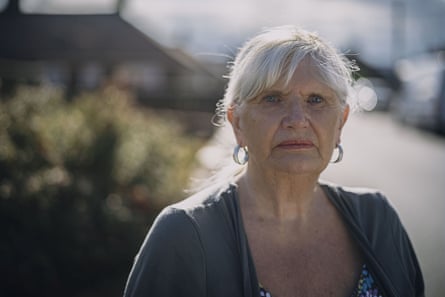
Chambers gave evidence at her teacher’s trial when she was nearly eight months pregnant. “Children are so apt to make up taradiddles and wicked invention,” the judge advised the jury. “You will not allow sympathy for the girl to cloud your judgment.” The teacher was found not guilty. During the birth she was “absolutely torn to shreds”. Her baby was taken from her three weeks later and she was told to go and strip the bedding from his cot, ready for the next one.
The dehumanisation, the cruelty is unfathomable and the film leaves the viewer to sit and wrestle with the accruing conundrums. To say that it is the result of different attitudes is only to push the bafflement back a stage: how could they, we, anyone privilege the importance of marriage over the right of a mother to keep her child; how could class – and it was overwhelmingly young working-class women’s babies being given to middle-class couples – be such a blinding factor; how could religious belief have such a chokehold on a society that rage-fuelled punishment could be visited on women with barely a murmur of reproach; how could babies be treated like commodities?

But so it was, and social historian Dr Michael Lambert has the evidence, which would be used alongside the women’s testimonies when the Sunday Post journalist Marion Scott broke the story of the scandal after a long investigation. Painstakingly gathered from thousands of council and state records of the adoptions, of reports from mother and baby homes up and down the land, it is, he says, “evidence of a system designed to supply infants”. It’s also tangible proof of what the women’s stories have told us: that at every level, written through the national psyche like poisonous letters through a stick of rock, was the idea that women are lesser beings and that “fallen” women are the very least of them all.
Marion McMillan, whose mixed race son stayed with her for nine months because most families wanted white babies (“No freckles” was one couple’s further stipulation), has spent 20 years supporting mothers like her and campaigning for government apologies. Nicola Sturgeon supplied one from McMillan’s native Scotland in 2023, and Keir Starmer followed suit this year. The women speak of it as a release from the shame that has pursued them down the decades. Again, the suffering visited upon them all seems incalculable.
Adoption law changed after 1976 and put an end – or the beginning of an end – to the grey and hidden market in babies from young, unmarried, poorer women to affluent older couples. Contraception cutting off the supply seems to have been a more immediate factor than changing attitudes, but minds always take longer than bodies to respond to change. Whether you feel the writing through the rock reads truly differently today – looking at rape statistics; state neglect and underfunding of women’s services; authorities’ complicity in ignoring gangs of groomers and predators in recent decades – is up to you.