2 months ago
95
2 months ago
95
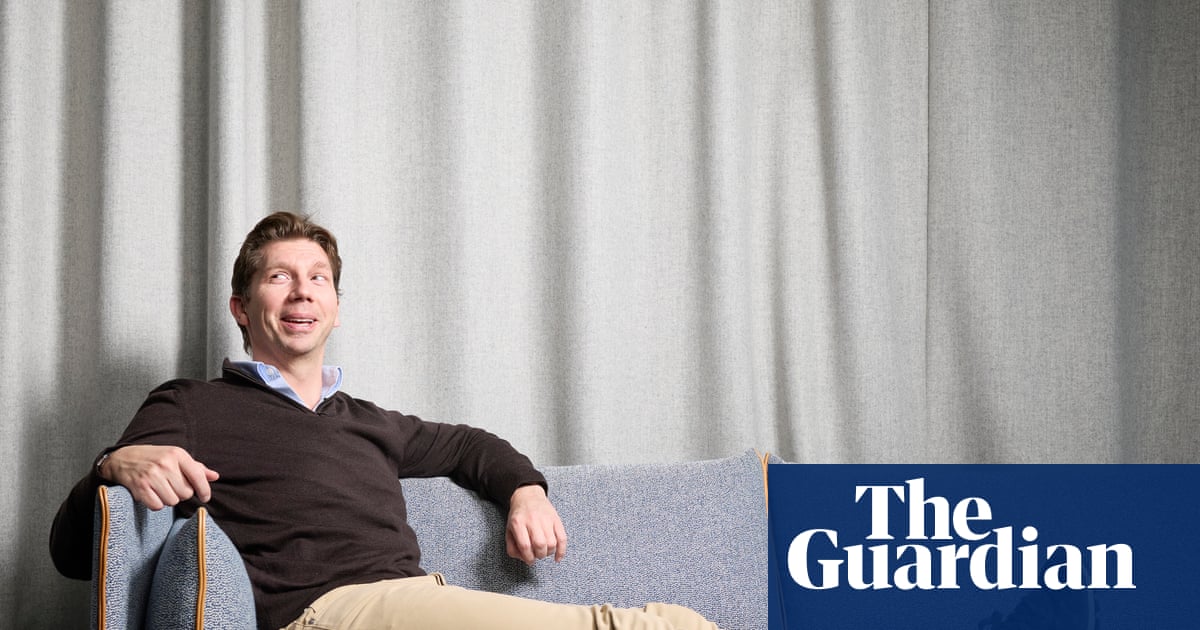
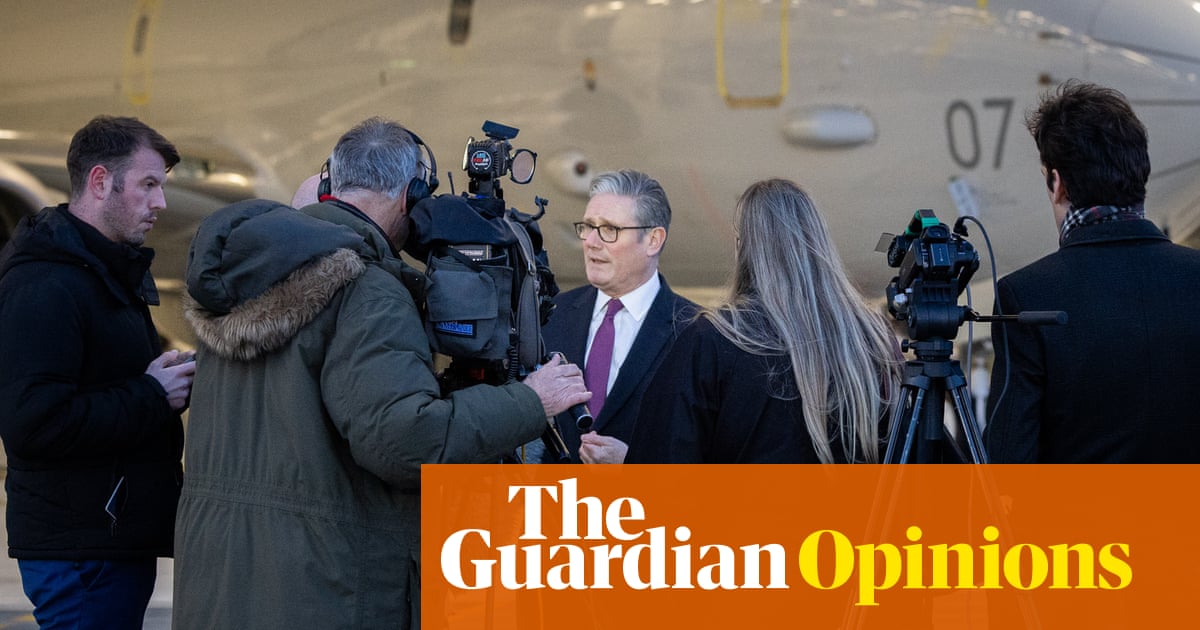
A deeper trading relationship with the EU would be the best way of growing Britain’s economy, which has an “uncomfortable” level of tax, Wes Streeting has said.
The health secretary said it would not be possible for any partnership with the EU to “return to freedom of movement”, but his comments appeared to leave the door open to the idea of a customs union.
His remarks on the EU appear to go further than the government’s position, which has ruled out a customs union as it seeks deeper trading relations with Brussels. Some in the cabinet would like No 10 to go further in its ambitions in order to improve the UK economy.
Streeting spoke out about the EU, the economy and his own ambitions in a wide-ranging interview with the Observer, while stressing that he was not after Keir Starmer’s job.
He said a deeper economic partnership with Europe would be the best way of increasing growth, and suggested he would like to go further than the current reset with the EU, which he described as a “good start”.
“We’ve taken a massive economic hit leaving the European Union. I’m really uncomfortable with the level of taxation in this country. We’re asking a lot of individual taxpayers, we’re asking a lot of businesses. We’ve got a level of indebtedness that we need to take very seriously,” he said. “The best way for us to get more growth into our economy is a deeper trading relationship with the EU.
“The reason why leaving the EU hit us so hard as a country is because of the enormous economic benefits that came with being in the single market and the customs union. This is a country and a government that wants a closer trading relationship with Europe.
“The challenge is any economic partnership we have can’t lead to a return to freedom of movement.”
On his own brief, Streeting said the NHS was “coping” with resident doctors’ strikes, but he was worried about its recovery as the industrial action enters its final day.
The health secretary told the Observer that the NHS was managing to get through the five-day action by the British Medical Association doctors in England, but he was concerned about the period afterwards as the health service struggles with flu cases.
Streeting has taken a tough stance on strikes. He offered resident doctors a deal that involved more training places but no extra money, which was refused.
His position has been criticised by Andrea Egan, the incoming general secretary of Unison, as an “unacceptable” approach to striking workers.
Streeting said: “I think the NHS is coping. The period that worries me more is the post-strike period when we have to try and recover the service. That now falls at a time of year which is the NHS’s busiest.
“I don’t think that doctors are selfish and don’t care about nurses and other healthcare professionals, but the BMA’s position can be quite hardline and uncompromising.”
Streeting, who is considered a top contender to be the next Labour leader, described recent media briefings by allies of Starmer several weeks ago – amid speculation he was preparing to replace the prime minister – as a “bizarre drive-by” and questioned why anyone would want the top job.
However, he appeared careful not to rule himself out, saying: “I’m diplomatically ducking the question to avoid any more of the silly soap opera we’ve had in the last few months.” Pressed on whether he thought Britain would be prepared to vote for a gay prime minister, he said: “Yes, but I want to make it explicitly clear that this is not a pitch or a job application. The prime minister’s got my absolute support.”
Anna Turley, the chair of the Labour party, was pressed on Sky News’s Sunday Morning with Trevor Phillips about Starmer’s low approval ratings and she insisted he would still be prime minister next Christmas. She said it was “nonsense” that he may have to resign if local election results are bad for Labour in May and said the whole team was “united behind him”.
Streeting said he and the former deputy prime minister Angela Rayner had joked about rumours that they had struck a deal to make a joint bid if there were to be a vacancy, and insisted it bore no resemblance to reality.
“The last time I had a conversation with Angela was when I went up to her in the voting lobby and said, ‘I hear you’re putting together a new cabinet, I’ve always liked the idea of the Foreign Office so count me in’ and she turned around and snapped back as quick as a flash ‘oh no you’re behind the times haven’t you heard I’m going on I’m a Celebrity?’,” he says. “We had a good laugh about it because there’s so much idle gossip and tittle-tattle.”
He also hinted that he held a different position on banning social media for under 16s than some others in the cabinet, including the prime minister.
“We need to think much more radically about how we support young people to navigate this new online world,” he said. “[It] has been a place of bullying, intimidation, sometimes misogyny, even radicalisation. The challenge of social media is that it’s increasingly antisocial media. That’s why I think what Australia’s doing is interesting and we should follow the results closely and see if that’s something we should consider doing here.”