3 hours ago
13
3 hours ago
13
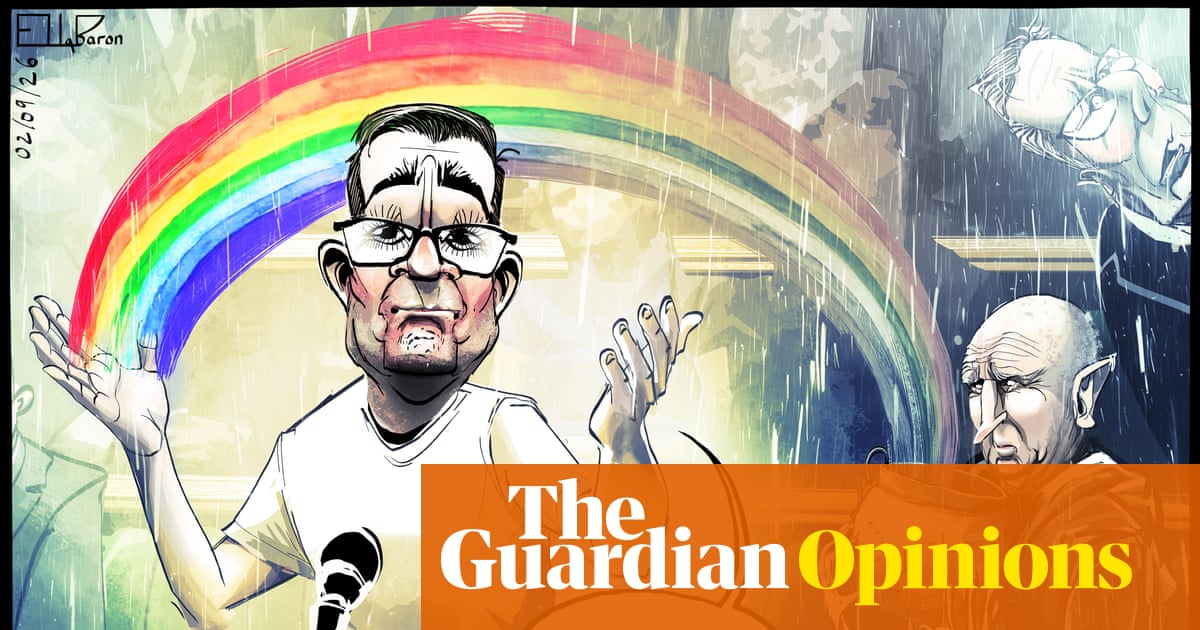
John Swinney insisted on Tuesday he still planned to introduce a legally binding price cap on bread, milk and other essential food items in Scotland despite fierce opposition from farming and business groups.
Unveiling the Scottish National party’s programme for government – the equivalent to the king’s speech – the first minister said he wanted to give “families greater peace of mind at a time of rising prices”.
Swinney also announced commitments to restructure local government and NHS boards, introduce a misogyny bill to crack down on violence against women and girls, and set a £2 price limit on bus fares in the west of Scotland. He confirmed his government would pilot a minimum income for artists.
But the proposals to limit essential food and drink prices have faced intense criticism from industry groups, which have described the policy as “unnecessary” and a “potty gimmick”.
On Monday, 23 food, drink and farming organisations published an open letter arguing that markets were already working to deliver the best possible prices and a cap could increase the cost of household goods.
“Scots benefit from western Europe’s most affordable grocery and food supply market,” the letter read. “A statutory cap would not address the root causes of elevated food prices: rising production, refrigeration, and distribution costs. Supply chain shocks after Covid and conflicts in Ukraine and Iran have pushed up fertiliser, fuel and energy costs.”
The SNP committed to introducing price controls by the end of the year in a manifesto published before Holyrood elections in May, framing the scheme as a health measure. Similar initiatives have been implemented in Hungary and Croatia and the UK government encouraged supermarkets to consider voluntary price caps on foodstuffs in May.
The Scottish government did not specify which essentials would be covered by the law in a consultation paper published on Tuesday, although Swinney has said that between 20 and 50 products would be included, such as rice, cheese and eggs. Any limit would cover only retailers that make more than half of their annual turnover from groceries, have more than 250 employees and make more than £250m a year.
“It is our ambition, and intention, to put more money in families’ pockets, building on what is already the most generous cost of living support package anywhere in the UK,” Swinney told Holyrood on Tuesday. “Today we have also begun a formal consultation on the legislation that will introduce a legal price ceiling on a basket of essential food items, giving families greater peace of mind at a time of rising prices.”
There is uncertainty over whether any price cap on food and drink essentials would even be legal. The Scottish government is planning to introduce the policy under devolved health powers. But critics say it would clash with post-Brexit internal UK market rules to stop regulatory divergence between England, Wales, Scotland and Northern Ireland.
after newsletter promotion
Scotland is facing growing pressure on its finances. The Scottish government estimated last year that there would be a near-£5bn gap in its finances by the end of the decade, with experts warning that difficult choices await over how to fund healthcare, schools and other parts of the public sector.
In his five-year programme for government, Swinney announced a major change to the structure of NHS Scotland, reducing the number of health boards from 14 to two. He described the shake-up as “the most significant structural reform of our NHS in the devolution era”.