4 hours ago
12
4 hours ago
12
The summer sojourn to Edinburgh has been a highlight of TV executives’ calendars for half a century, allowing them an annual trip to the UK’s most spectacular city during the world’s biggest arts festival.
So there was sadness when it was announced that this year’s 50th Edinburgh TV Festival would be the last to be held in the Scottish capital.
High costs fuelling concerns about accessibility – accommodation in the city in August is the most expensive in Europe – prompted the TV Foundation, the charity which runs the annual industry shindig, to consider a new venue last year.
Campbell Glennie, its chief executive, said the move was about “exploring how we can reduce costs for delegates and make the festival open to more people”.
However, critics of the decision pointed out that while holding the conference alongside the Edinburgh fringe and international festivals made it so expensive, the chance to see world-class theatre, arts and comedy was a huge part of the draw for attenders.
Off the record, some TV figures blamed the Scottish government for the failed attempt to keep the event in Scotland. Glasgow had initially been on the table, requiring only a 40-minute train ride west, but Holyrood ministers threw their weight behind a campaign to keep it in Edinburgh.
It was ultimately Manchester that had the winning proposition, backed by Andy Burnham, then the Greater Manchester mayor, who promised the necessary “infrastructure, talent, ambition and creativity” to host the festival from next year.
At Edinburgh’s valedictory gathering, many delegates did not hide their disappointment.
One Scottish television producer said the decision reflected a problem in the industry, where production companies south of the border have brought London-based workers to film in Scotland and failed to hire local talent. “It’s a fucking joke,” they added.
The TV Foundation said relocating would “radically reduce the costs” for attendees. The charity makes no profit from running the festival and instead invests the funds into programmes to improve training and widen access, with several sessions this year aimed at tackling the class gap in the industry.
Sydney Lima is a documentary presenter and co-founder of the Rich Parents Club, a group providing support to working-class people in arts and media. She said members were reporting that TV was becoming “an increasingly gatekept industry”, suggesting that recent hits from working-class writers such as the Channel 4 series Big Boys would no longer be commissioned.
“As funding cuts continue, employers rely on smaller pools of talent, more often than not, from within their own networks – or even gene pool,” she said.
In 2024 the scriptwriter James Graham used the festival’s keynote MacTaggart lecture – past speakers have included Armando Iannucci, Dennis Potter and Rupert Murdoch – to lament how impenetrable the industry was for working-class people.
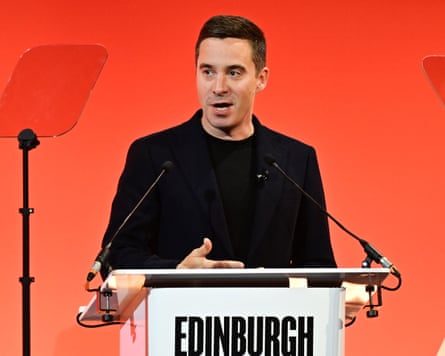
A subsequent TV Foundation report found nearly a quarter of TV executives were privately educated. Graham’s views were echoed by the presenter Carol Vorderman, who grew up working class, in the alternative MacTaggart slot the same year. (That lecture was delivered by Amol Rajan this year).
The move also comes at a time of enormous financial pressure on the industry, with the BBC shedding up to 2,000 staff, ITV and Sky merging broadcast operations and Channel 4 under pressure.
Traditional UK broadcasters are struggling to compete for audiences and advertising money against the rise of deep-pocketed US-based streaming titans, such as Netflix and Amazon.
In a sign of the times, this year’s main MacTaggart lecture was delivered by YouTube’s Pedro Pina, who hit back at proposals to make public service content more prominent on his platform, now the second most-watched media service in the UK.
As British commissioners cut their TV production budgets, freelancers are bearing the brunt, making it harder to find funds for networking events like the TV festival.
A full-price ticket cost more than £1,500, though there were bursaries and lower rates for freelancers, Scottish delegates and those under 30. Among this year’s attendees were graduates and freelancers, some of whom had bitten the bullet and forked out in the hope of making connections that would lead to work.
Adeel Amini, a freelance executive producer who founded the campaign group The TV Mindset to support casual workers in the sector, said: “The price of the ticket is already ridiculous and unaffordable, especially when the industry has been going through a crisis and so many people are out of work.”
Amini, who has produced entertainment shows such as Who Wants to Be a Millionaire, Lingo and Catchphrase, praised the TV Foundation’s work but said the conference itself highlighted how “two-tier the industry is”, with a divide between those who pay their own way and executives whose companies pick up the tab.
Amini added: “It’s there for commissioners and production companies to go and mingle and have these parties and either lament the state of the industry without doing anything much about it or just give themselves a round of applause without acknowledging the workers at the heart of it.”
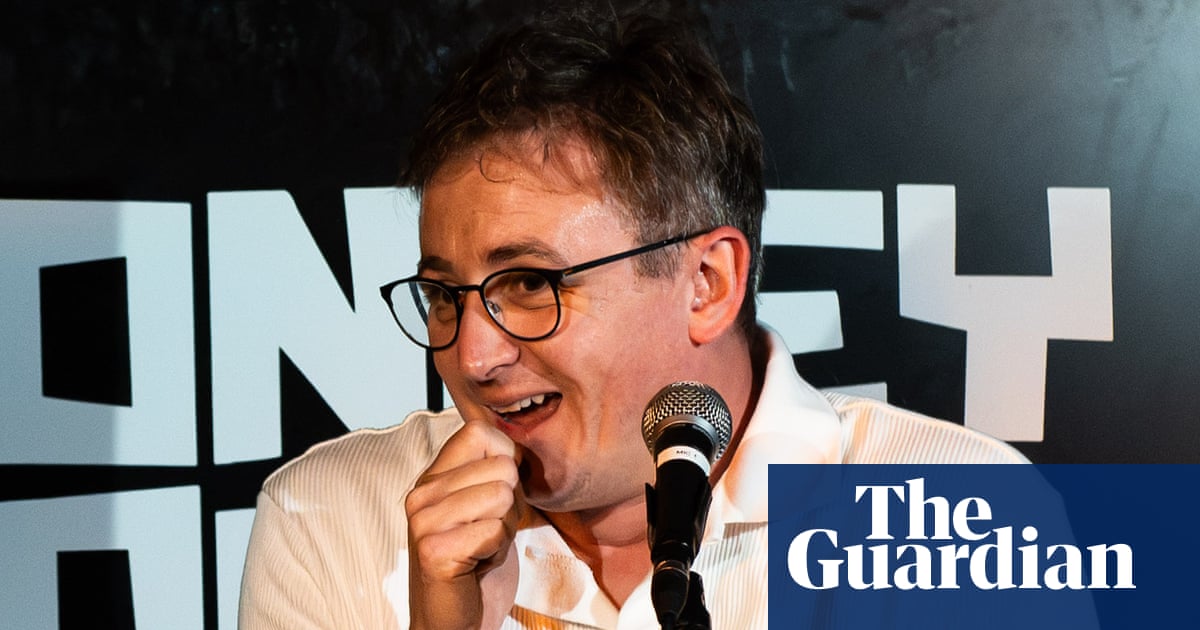
Daran “Jonno” Johnson, the head writer on this year’s surprise hit SNL UK, spoke on a TV festival panel on Friday morning as part of its new Funny Business strand, focusing on comedy. It was in between performances of his successful nightly Edinburgh fringe standup run.
He said the benefit of the two festivals being in the same city was that “so many industry people are suddenly in town in the last week” that it was helpful “to have that pipeline between fringe comedy and telly”.
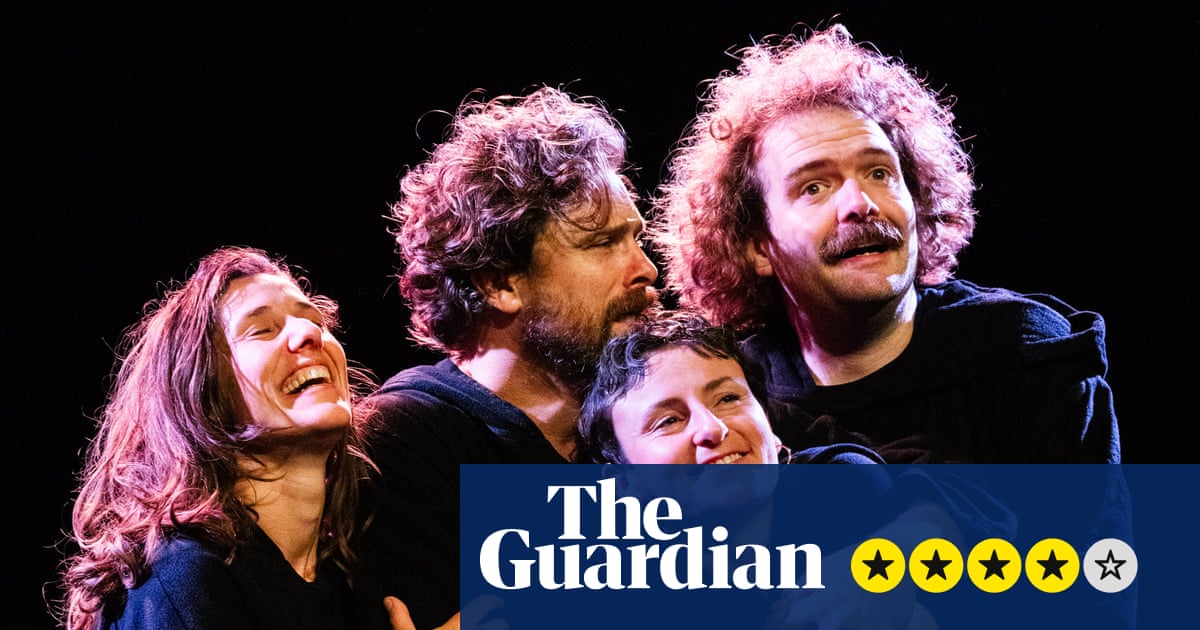
Performers were nervous that their shows – many of which cost tens, if not hundreds, of thousands of pounds to put on – might no longer have the same chance of being seen by commissioners. Kimberly Hart-Simpson, a Manchester-based writer and actor whose one-woman play Amnesia won a Scotsman Fringe First award this year, said her concern was “whether TV industry professionals will continue to commit to attending the arts festival to discover and support emerging talent”.
However, the fringe was so integral to many TV executives’ diaries that they would still be here if the schedules clashed, reassured Alex Cartlidge, co-director of Country Mile Productions at an event at the fringe venue Shedinburgh.
“The reason you’re coming to Edinburgh, if you’re a TV producer, is for the fringe. The TV festival happens to be on, and you can convince your boss to put a few of those things through company expenses … but if TV companies have the choice next year between going to Manchester or coming here, 99% of people will come here.”
There is hope on the horizon for those who do not want to see the link between the fringe and television severed. On Thursday evening, television executives, performers and fringe organisers gathered in a hot room at Edinburgh Fringe Central for the launch of an initiative for the media and creative industries from 2027, funded in part by the Scottish government.

Speaking to the Guardian at the launch, David Smith, director of Screen Scotland, which is partnering with the Fringe Society on the project, said it was not a replacement for the TV Festival. “It will be inclusive of TV, but it won’t be a TV festival,” he said.
Having two events risks splitting attendance, but with dates for Manchester yet to be announced there is still the prospect the gatherings could avoid a clash if the TV Foundation does not go for the traditional last week of August slot.
The Scottish culture secretary, Màiri McAllan, said that while it was “hugely disappointing that a London-based company took the decision to move the Edinburgh International TV festival”, the SNP government was now focused on Screen Scotland’s alternative and was “working with the TV, media, and festivals sectors to ensure that we deliver an unmissable event”.
Smith said plans were still being formed on what that event would look like but added: “I hope to get back to some of the chaos of the original TV Festival, the fact that it was slightly more seat-of-your-pants.”