5 hours ago
8
5 hours ago
8
For decades, Hong Kong mourned when the mainland could not. Its huge annual Tiananmen vigil kept alive the memory of the 1989 pro-reform protests in Beijing, and of the massacre that suppressed them. Along with Macau, it was the only place in China where the anniversary could be publicly marked and the truth preserved.
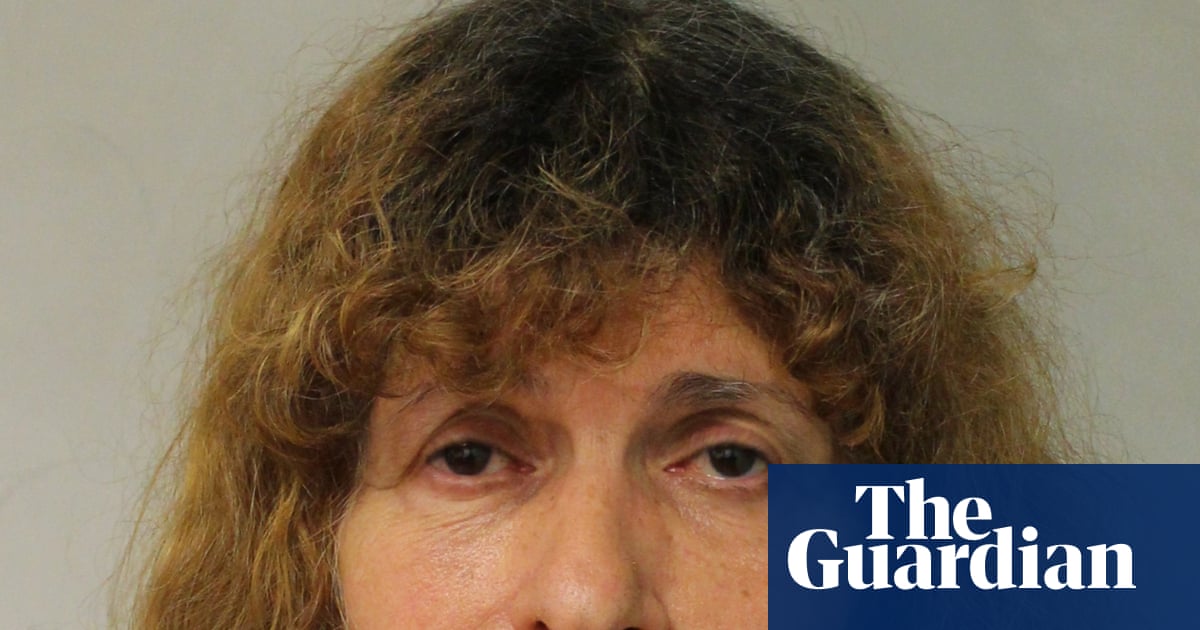
But the crackdown on the 2019 uprising in Hong Kong has crushed the freedoms that the region once enjoyed. That year’s vigil was the last. On Friday, two leaders of the Hong Kong Alliance, which organised the commemoration, were convicted of incitement to subversion under the draconian national security law. Lee Cheuk-yan, 69, and Chow Hang-tung, 41, face up to 10 years in jail.
A third defendant, the 74-year-old former legislator Albert Ho, pleaded guilty in January. All three have been imprisoned since their arrests in 2021. The court ruled that the alliance’s stated aim to “end one-party dictatorship” in itself constituted using unlawful means to overthrow the Chinese government – despite acknowledging that the group never used or advocated violence, or even set out a path to its goal.
The convictions are shameful, but not surprising. They follow the jailing of the prominent pro-democracy activists known as the “Hong Kong 47” in late 2024 and the 20-year sentence handed to the media tycoon and activist Jimmy Lai in February. Yet while this trial shows the authorities’ determination to eradicate Hong Kong’s previous freedoms, it also reflects the Communist party’s determination to control and rewrite history across China.

Hundreds, perhaps thousands, of people were killed in the 1989 massacre. Xi Jinping made a rare reference to the events last week, reaffirming the party’s “correct” response, in a speech paying tribute to the former leader Jiang Zemin. But the subject remains one of the most taboo in a country long adept at erasing uncomfortable truths – so sensitive that even words such as “remember” and “today” are censored on social media on the anniversary. This June, the Tiananmen Mothers group of bereaved relatives, who have long mourned under heavy police escort, were barred from visiting their loved ones’ graves on the date of the killings.
Against such brutal edicts, memory appears fragile. Most younger people on the mainland have no idea of what happened. Yet late last year, previously unseen footage suddenly emerged of the court martial of a general who defied the order to use force against demonstrators. The video was posted on YouTube – which is blocked in China – and sheds new light on events. General Xu Qinxian, who was jailed and lived under heavy restrictions until his death in 2021, said that a commander imposing the order might become “a sinner in history”. Whoever leaked the footage, and whatever their reasons for doing so, it is clear that some still resist the national amnesia.
Remembrance and mourning are not crimes. In a message to Andy Burnham, Ms Chow, a barrister who studied law in the UK, warned that Britain had a “non-delegable duty to adopt a more robust stance” to China. She was right. The UK was the other signatory of the treaty that supposedly preserved Hong Kong’s relative autonomy until 2047. For years in the annual vigils, Ms Chow, Mr Lee and other courageous Hong Kong people stood up for those on the mainland who had been silenced. Others should now stand up and speak for them as they pay the price for that solidarity.