2 months ago
103
2 months ago
103
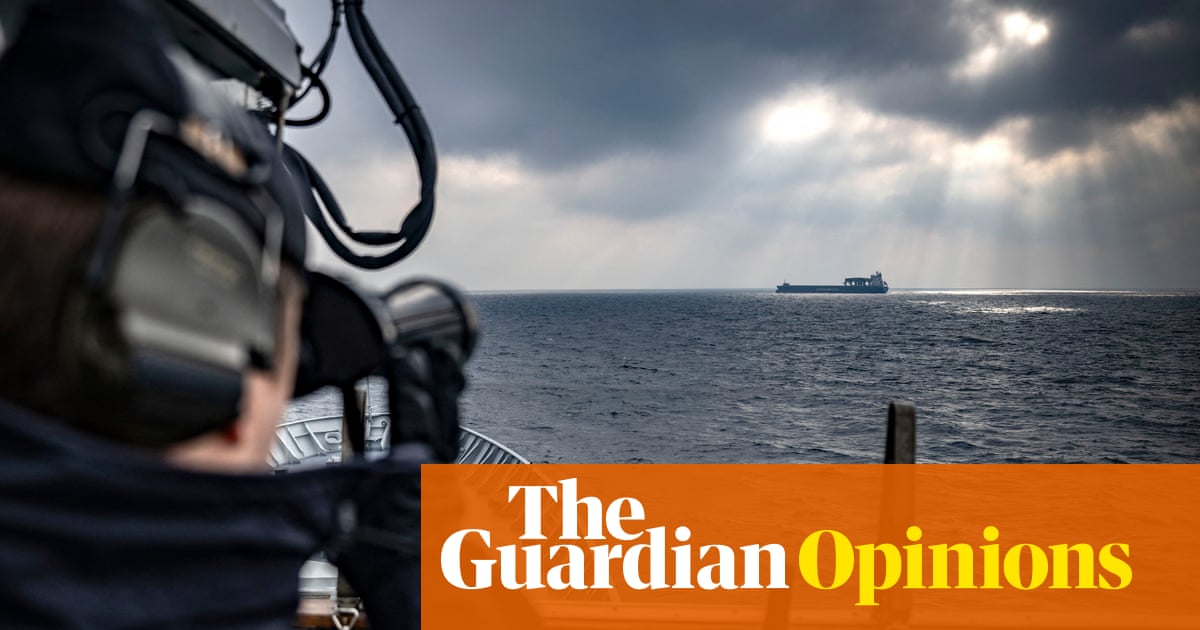
The fifth week of Donald Trump’s illegal war on Iran has confirmed the absence of any overarching strategy. The US continues to hit Iranian targets while building up forces in the region. Iran continues to launch missile and drone attacks on Israel and neighbouring Gulf states. Tehran’s proxies in the region have entered the fray. Its closure of the strait of Hormuz has seen oil prices shoot up and had knock-on effects already visible across fuel, fertiliser and supply chains. No amount of contradictory social media posts from Mr Trump can negate the shortages felt across the world, from Asian factories to European diesel markets. The pain is likely to get worse. There is no sign of imminent US victory or Iranian collapse.
This instead looks like a war of attrition. Each side can point to successes and their opponents can highlight failures. That is what sustains the conflict. The stakes extend far beyond the battlefield. The war is embedding itself in the global economy, shaping what is produced, moved and ultimately affordable. Even European ministers now admit they are losing sleep over what comes next – not just the war but its economic consequences.
This war should never have been started. The threat was not imminent, the objectives unclear and the justification fell apart under scrutiny. Responsibility rests with Mr Trump and Israel’s Benjamin Netanyahu. The delusion that force can impose a more compliant regime in Tehran has predictably given rise to a conflict that sustains itself. The only plausible exit is negotiation without preconditions. The question is whether the political conditions exist to make that possible.
Mr Trump mixes threats of escalation and claims that negotiations are progressing. There is little evidence of a meaningful diplomatic track while military deployments continue. Mr Trump wants Iran to become a different kind of state. Tehran wants the US to accept it as it is. This looks unbridgeable. Meanwhile the US searches for leverage, openly threatening attacks on energy and water systems – war crimes by another name. Mr Trump’s dilemma is whether to accept a lesser peace, or risk a greater war.
The conflict cannot be separated from Gaza. Mr Netanyahu is gambling that war with Iran will restore his standing after the 7 October attacks happened on his watch and shield him from political and legal peril. Left unresolved, Gaza offers Iran and its allies a narrative for resistance. That does not justify Tehran’s actions but it explains their persistence. Mr Trump’s backing of Israel despite its war crimes in Palestinian territory, in Lebanon and in Iran is both appalling and shrinks the space for diplomacy. The path to peace with Iran may run not just through Tehran but through Gaza too.
If US ground forces are committed, the dynamic shifts. American casualties will harden resolve among those who backed the intervention, making withdrawal politically harder even as costs rise. This would be a disaster. World powers can shift the incentives away from a US ground war – by working together to ensure that they insulate themselves from economic pain, withhold operational support, and coordinate diplomatic messaging, as well as support for international criminal court and UN scrutiny. A face-saving deal – partial reopening of the strait of Hormuz for limited sanctions relief – might be enough. The message is to make escalation harder than retreat. Or the war will make the choice for Mr Trump.
-
Do you have an opinion on the issues raised in this article? If you would like to submit a response of up to 300 words by email to be considered for publication in our letters section, please click here.