2 months ago
122
2 months ago
122
Burned sausages, limp salads and undercooked chicken legs you live to regret; the British barbecue has historically been a sorry affair. But a slew of fancy equipment the price of a secondhand car is revolutionising the grilling game.
Over the past few years, the £1,000-plus barbecue has soared in popularity. The Big Green Egg, a pioneer of the premium outdoor cooking movement, has recorded 1m visits to its UK website so far this year. Its classic model retails at £1,495.
The market extends far beyond ceramic egg-shaped grills. Bertha sells Tardis-like freestanding outdoor coal ovens in aubergine purple and racing green for £4,500. Kamado Joe’s Series III charcoal barbecue, which includes a protective cover, a bag of charcoal and a pack of fire starters, will set you back £2,000. The “Konnected Joe” iteration comes with in-built wifi. Another popular option, the OFYR wood fired outdoor unit (£1,295), is arguably the prettiest of the bunch and doubles as a fire pit.
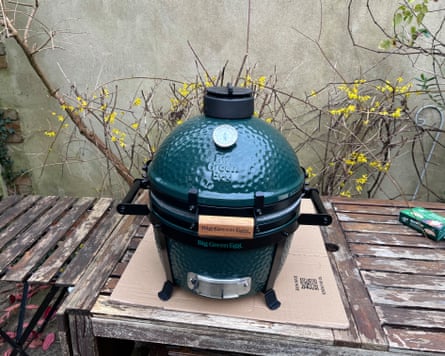
John Lewis reports a 100% increase in sales of its premium barbecue range over the past 12 months, while Weber, the company behind the classic UFO-style barbecue, has noticed an increase in demand for its premium models.
According to Alexandra Hayes, co-founder of the food consultancy Harris and Hayes, the premium trend emerged during Covid when there were restrictions on eating out. “Consumers still wanted to create new and special food and drink experiences, to set them apart from the routine and everyday.”
For Melanie Brown, the chef-restaurateur of The Laundry in Brixton, who also hosts off-grid nights in the countryside where she cooks over Big Green Eggs or an OFYR, the very idea of of the British barbecue has changed.
“There’s been a massive shift in the interpretation of barbecue,” she says. “It’s no longer burning the shit out of something, it’s turned from charring to gastronomy.”
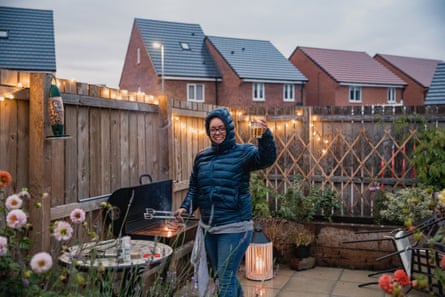
There has been a general increase in fire cooking. “We see far more chefs and chefs across every level using fire and charcoal,” says Brown. “That has kind of moved to the convivial-style of dining where you can cook pieces of meat over long periods of time … it really is a hobby as well as getting your daily nourishment.”
Beyond the cooking, there’s “definitely the statement value” to these top-notch barbecues, says Hayes.“Handbags are a classic status symbol, but as more people value experiences over things, it’s understandable that these types of tools and gadgets are increasingly in hot demand.”
Another key difference is that barbecues are no longer reserved for summer. “People and customers are really buying these to use all year round now,” says Brown. Plus, even the summer months are different to before – they are getting hotter and longer. The Met Office says last summer was the hottest on record and, as a result of the climate crisis, all five of the UK’s warmest summers have occurred since 2000.
All of this makes it arguably less remarkable to spend more than £1,000 on a barbecue. Brown is from New Zealand, where she says people would often “barbecue at the drop of a hat”, rain or shine. “If you’re [using a premium barbecue] three or four times a week, and you’re making bread and you’re doing slow braises and you’re smoking, it is a year-round investment.”