3 months ago
174
3 months ago
174
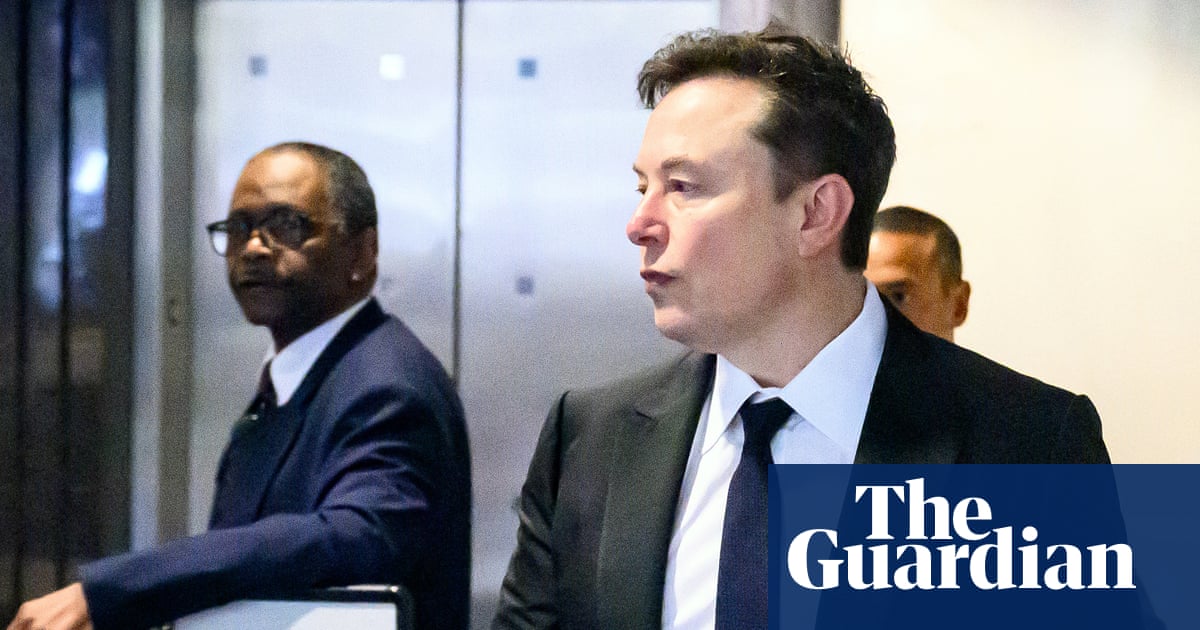
The government could have avoided “embarrassing failures” in the case of Alaa Abd el-Fattah by having a special envoy deal with complex cases involving Britons detained abroad, Emily Thornberry has said.
The chair of the Commons foreign affairs committee criticised “serious shortcomings” in information sharing, which she said could have been resolved by having a dedicated official carry out background checks.
Former foreign secretary David Lammy said in 2024 that the government would appoint an envoy to deal with “complex detention cases” involving Britons abroad but no such figure has been named.
In a letter to the foreign secretary, Yvette Cooper, Thornberry said: “Had an envoy been established [in 2024] … it is clear to me that such embarrassing failures of due diligence and information sharing would have been avoided.
“It would have been firmly within the envoy’s remit to carry out appropriate background and social media checks.”
Abd el-Fattah, who is at the centre of a storm over social media comments he made more than a decade ago, arrived back in the UK on Boxing Day after being pardoned and freed from prison in Egypt.
The 44-year-old activist was given British citizenship in 2021 by the Conservative government led by Boris Johnson. Successive UK governments campaigned for his release.
In the days since Abd el-Fattah’s return, social media comments have surfaced – dating back to 2010 – in which he said Zionists, colonialists and police officers should be killed and British people were “dogs and monkeys”.
Earlier this week, he apologised “unequivocally” for his tweets. The prime minister, Keir Starmer, who initially said he was “delighted” by the activist’s arrival back in the UK, has since condemned the tweets and said he was unaware of them.
The Conservatives and Reform UK have both suggested Abd el-Fattah should be deported from the UK and have his British citizenship revoked.
On Wednesday the shadow home secretary, Robert Jenrick, who has led calls for Abd el-Fattah’s British citizenship to be revoked and for him to be deported, highlighted social media posts reportedly from an account belonging to his sister, Mona Seif, in which she referred to the “imagination” of Hamas in its deadly attack on Israel in October 2023.
The post said images of Hamas militants flying into Israel by paraglider were like “something out of a sci-fi movie”, adding: “I guess it takes a special kind of imagination to find new ways of resisting an extremely advanced occupation army whose war crimes are constantly justified and endorsed by some of the most powerful governments!”
The comment was posted on X at 10.57am on 7 October 2023. Twenty-one minutes later, another post said: “Once again the discrepancy between many of those celebrating Ukrainian resistance but now condemn Palestinian resistance, speaks loudly of their hypocrisy.
“You are either with people’s right to resist an army occupation or not! It can’t be ‘only for people who look like me’.”
In other comments uncovered this week, Abd el-Fattah asked in 2011 “who would weep if we killed Osama Saraya?”, referring to the editor of an Egyptian newspaper that had backed Hosni Mubarak, the dictator who was swept from power in the Arab spring.
In a 2010 tweet, Abd el-Fattah appeared to joke about a “suicide bombing taking a few zionists’ lives”.
Cooper has launched a review into “serious information failures” in the Abd el-Fattah case.
Government sources say the Home Office will not strip him of his citizenship because his past social media posts do not meet the legal bar for such a sanction.
Human rights campaigners have said such a punishment would be an “extremely authoritarian step”.