3 months ago
127
3 months ago
127
The UK’s Covid vaccination programme was “an extraordinary feat” with protective jabs developed and delivered in record time, but work is now needed to rebuild trust in vaccines and ensure better access before the next pandemic strikes, an official inquiry has found.
Lady Hallett, the chair of the statutory inquiry into the pandemic, said the vaccine rollout and the identification of an inexpensive steroid that saved the lives of thousands of UK patients, were “two of the success stories” of the pandemic.
To create a safe and effective vaccine, and have it approved, can take 10 to 20 years, but within a year of recording its first case of Covid, researchers at Oxford University and AstraZeneca had a vaccine ready and two more from Pfizer-BioNTech and Moderna had been approved.
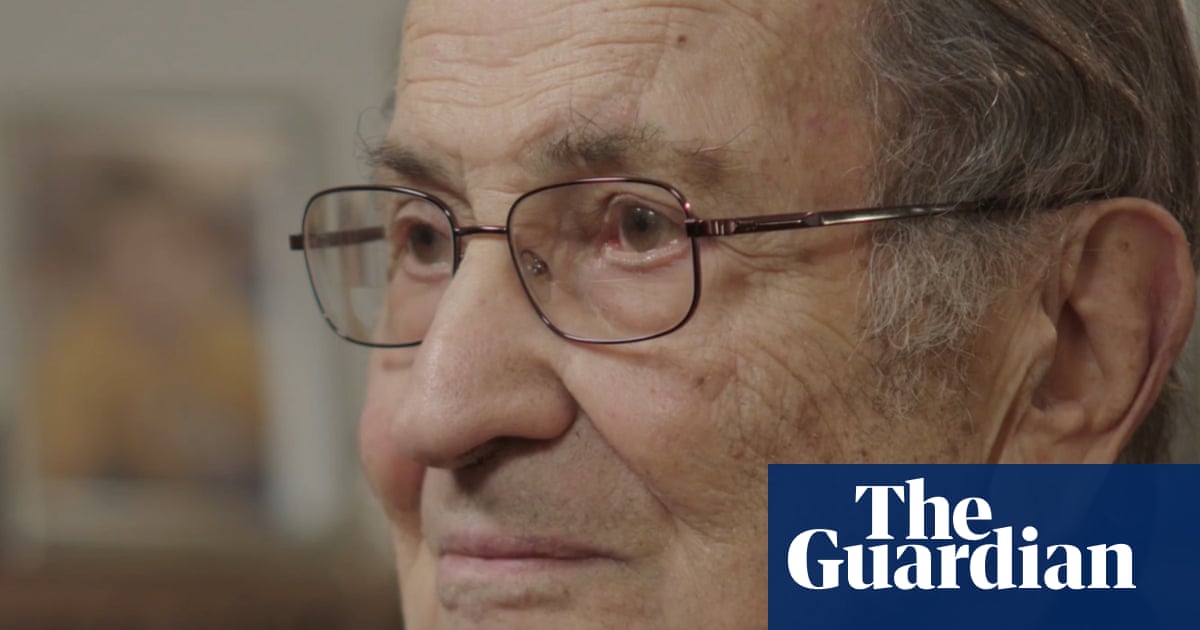
The UK was the first country to authorise a Covid jab and on 8 December 2020, 90-year-old Maggie Keenan became the first person to receive the Pfizer-BioNTech vaccine outside clinical trials.
By 2021, about 132 million Covid shots had been given across the four nations making it the largest vaccination programme in UK history. By June 2022, nearly 90% of over-12s in the UK had received two protective doses.
One study estimated the vaccines saved almost 450,000 lives of people aged 25 or older in England and more than 25,000 in Scotland up until March 2023. Wales and Northern Ireland were not included in the research.
“In many ways, the development, manufacture and distribution of effective vaccines to prevent Covid-19 and the identification of an effective therapeutic or drug to treat Covid patients are two of the success stories of the pandemic,” Hallett said on Thursday.
She praised the Recovery trial, also run by researchers at Oxford, for identifying “arguably the single most important therapeutic of the pandemic”. The steroid, dexamethasone, is estimated to have saved 22,000 lives in the UK and one million lives globally.
The 274 page report is the fourth of 10 to be published by the Covid-19 inquiry which finished taking evidence in March, nearly three years after hearings began. At a cost of £204m it has become the most expensive inquiry in UK history.
Despite the successes of the vaccine rollout and therapeutics work, Hallett said there were lessons to be learned. There was confusion over how groups were defined and prioritised for vaccination, and who was eligible for drugs. And while most people took up the offer of vaccination, uptake was low in some ethnic minority communities and in areas of high deprivation.
“For many, their concern centred on the safety of vaccines and possible side effects,” Hallett said.
“To some extent, this lack of confidence in Covid-19 vaccinations was a global issue, fuelled by the rapid sharing of false information online. However, it’s clear that a lack of trust and confidence in authority was also a significant contributing factor in the UK,” she added.
The report urges ministers and health services to rebuild trust and promote better understanding of vaccines, adding that communities should be reassured that while almost all medicines carry risks, there were effective systems in place to assess safety and effectiveness.
Hallett also called for restructuring of the vaccine damage payment scheme which compensates those who are injured by vaccines. While the number who suffered harm from Covid shots was “a small minority”, Hallett said those harmed “often felt silenced, ignored or treated as vaccine deniers.”
She urged ministers to act urgently to improve the scheme and almost double the maximum payouts to at least £200,000, from the current upper limit of £120,000. The threshold for people to be 60% disabled to receive a payment should be scrapped, Hallett said, adding it left people with significant injuries below the threshold “with nothing”.
Kate Scott, representing the Vaccine Injured and Bereaved UK group, said: “It is an uncomfortable truth, but vaccine injury and death are part of the pandemic story.”
“We welcome this as an important step towards fairness for those who suffered devastating consequences,” she added.
The recommendations include:
Establishing a pharmaceutical expert advisory panel to oversee the UK’s preparedness to develop, procure and manufacture vaccines and therapeutics
Producing targeted vaccination strategies and communications to increase vaccine uptake and reduce inequalities
Improving monitoring and evaluation of vaccine uptake and delivery to ensure efforts to boost uptake are effective
Helping regulatory bodies to access healthcare records for ongoing safety monitoring of new vaccines and therapeutics
Assessing the vaccine damage payment scheme as soon as possible
The Covid inquiry’s previous three reports have been far more critical. The first report offered a damning assessment of the UK’s pandemic planning, describing “fatal strategic flaws” and “serious errors on the part of the state”. Preparations focused largely on the threat of pandemic influenza, “a fundamental error” given that coronavirus outbreaks had occurred in Asia and the Middle East in the preceding years.
The second report condemned the “toxic and chaotic” culture in No 10 during Boris Johnson’s tenure and called the response to the crisis “too little, too late”, with a delay in the first lockdown estimated to have cost 23,000 lives in the first wave of infections. The third report focused on the health service and found the NHS was “on the brink of collapse” and survived only through the “superhuman” efforts of healthcare workers.
Hallett said it was fortunate that at the start of the pandemic, the UK was a world leader in biomedical research, adding it was “vital” for investment in life sciences to continue to ensure the country was prepared for future pandemics.