3 months ago
137
3 months ago
137
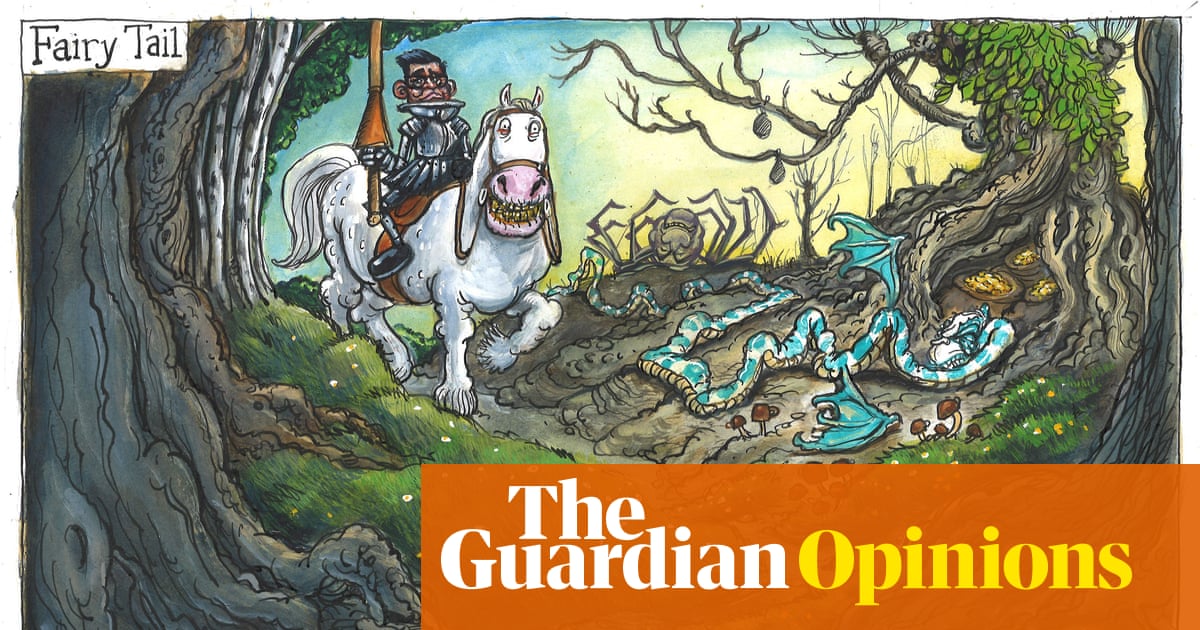
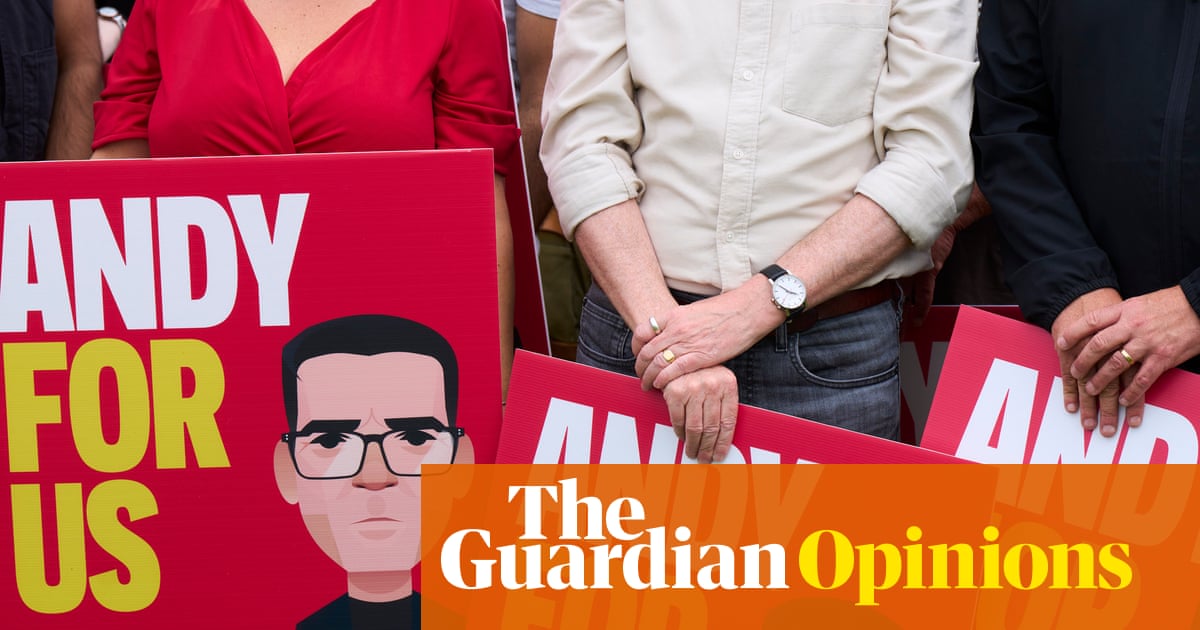
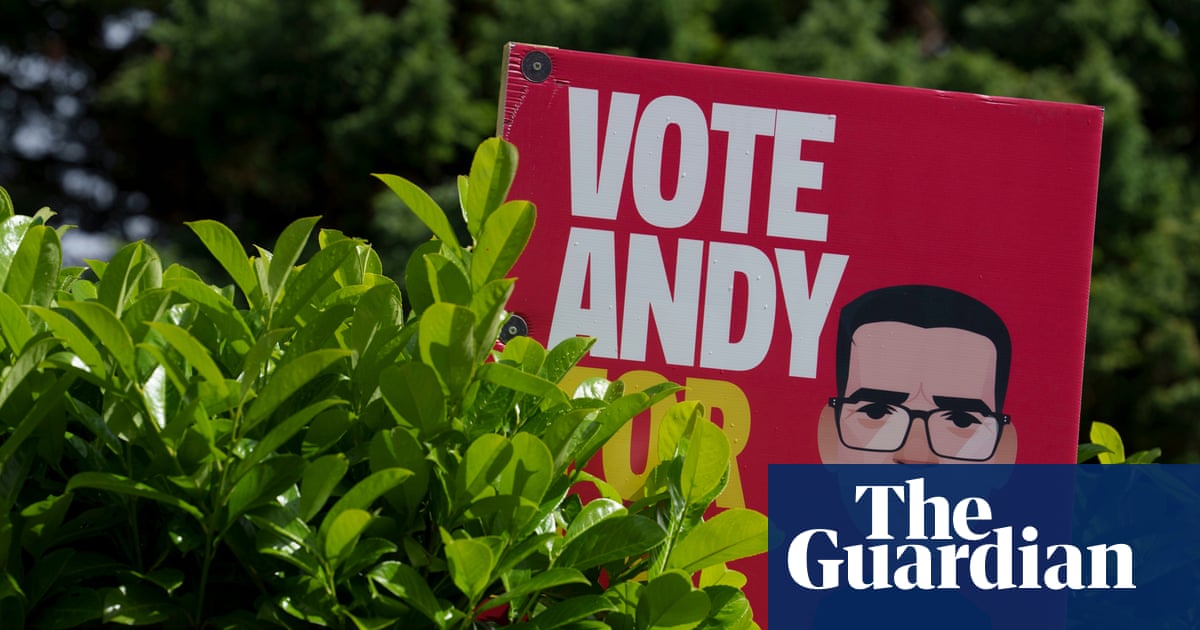
At home and abroad, Labour and its leader are under siege. Though the Gorton and Denton result is history now, the repercussions roil his party and underpin the fight for its future.
Abroad, the policy rift within the Labour tribe is just as bad, with the fear that the party will be dragged backwards into the wreckage of another illegal war in the Middle East. Yet again Labour and Starmer are damned both ways, with much of the party raging at its leader and a “very disappointed” Donald Trump angry, not appeased.
In seeking a clear way through the multiple rocky paths before him, the prime minister could sensibly start by looking again, and at last, at the way he was charged with those responsibilities.
With the Middle East in flames and oil prices soaring, the representation of the people bill got scant attention when it passed through parliament on Monday. It was conceived to reform the electoral system, but it’s notable for what is absent: changes that must now be made to first past the post (FPTP). Last week’s byelection shocked Labour, but it also shocked the Institute for Government, that sober monitor of due process, into sounding the alarm about the risk to democracy itself when a system built for two parties no longer fits a multiparty world. Director Hannah White warned of a message from Gorton and Denton, saying the system has become “dangerous” when people are forced to vote tactically, but can’t know where best to place that X. This denial of democracy, she cautioned, may “undermine the legitimacy of the future governments it delivers”.
Perhaps that is already happening. Given that Labour took 63% of seats on just 33.7% of votes in 2024’s general election, who is to say its rapid descent into unpopularity is not the result of so few having actually voted for it. It was one of the most disproportional votes-to-seats results seen anywhere in the world. But then, nowhere in Europe but the UK still uses first past the post.
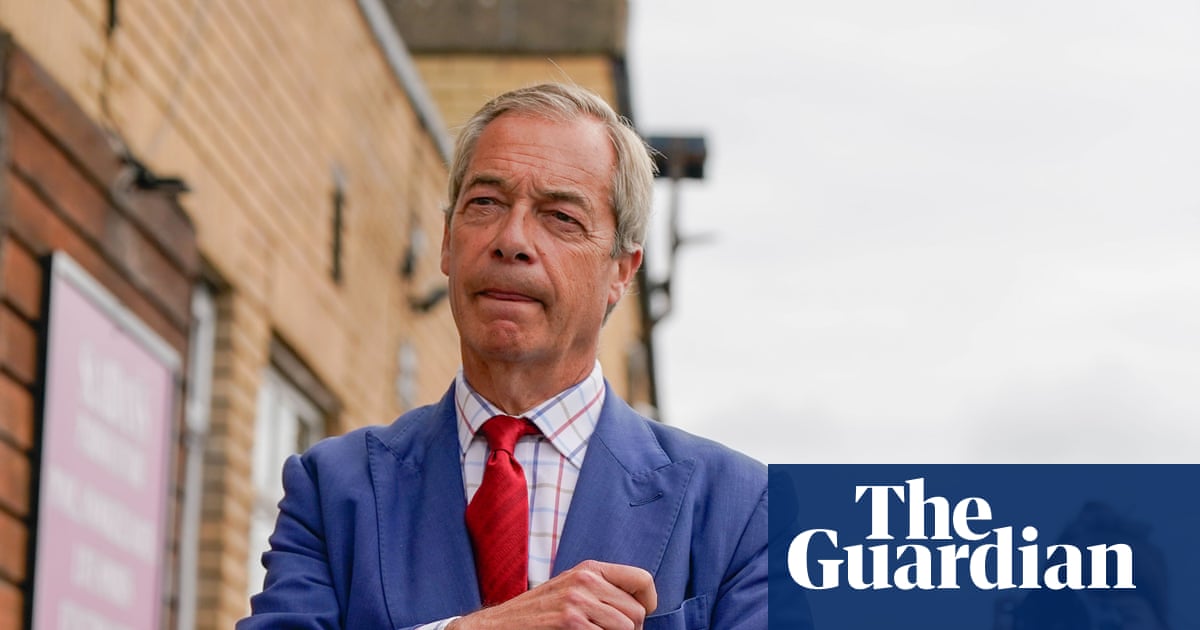
The first-past-the-post system was the fortress sustaining the old parties, but “small” party interlopers it was designed to keep out have stormed the walls, and could yet overrun the castle. YouGov finds that Nigel Farage could become prime minister on a 23% vote, against the strong wishes of three-quarters of the country. Voting has become a fruit machine with random results when tiny shifts bring cascading seats.
The consequences run deeper than fair voting or psephology. The primacy of a few voters in a few marginals has profoundly distorted the way we live. Our exceptional inequality, among the the worst in the developed world, is exacerbated by our two-party system. Still we suffer the after-effects of Thatcherism and austerity – extremist approaches that would be mitigated in a proportional system. Revealing research from Compass this week tracks how two-party politics began falling apart as more middle-class voters, also suffering from a cost-of-living squeeze, were ignored by a system that took them for granted but provided no better representation to low-income voters in urban seats.
As Labour thrashes about, desperate to win back the alienated, it risks bad mistakes. Take Shabana Mahmood’s changes to refugee rules. Asylum seekers’ cases will now be reviewed every 30 months, after which they could be sent home, while migrants already living in the UK could be forced to wait 10 years for settled status. She believes this deters new arrivals, but it’s more likely to deter voters. Mahmood is a standard bearer for Blue Labour, and a close ally of Maurice Glasman, but her attempts to mimic Reform will fail when there is virtually no voter traffic across the deep Labour-Reform divide.
True, polls show both Labour and Green voters agree with her tough immigration plans, but that misses what’s happening. Feelings, not policies, guide most people. Labour doesn’t feel “nice”: it takes winter fuel payments from cold old folk and benefits from disabled people, and bankrupts family farms with taxes. Never mind that this is essentially nonsense: these policies made good sense, and were promoted for years by the Institute for Fiscal Studies, but implementing them badly lost Labour the feelings war. Mahmood’s toughness adds to that “not nice” aura.
The tragedy is that even Labour’s good deeds don’t emit good feelings. Its byelection campaign slagged off opponents instead of trumpeting its own likable achievements: strengthening employment rights, raising the minimum wage, ending the two-child benefit cap, improving renters’ rights, taking steps to nationalise railways, even great green investments. Instead of wearisome “only Labour can win here” messaging, leaflets should have stated “only Labour did these things” – but that’s the distorted politics tactical voting demands.
In Monday’s debate, Labour MPs were among many calling for a national commission on electoral reform, which is backed by twice as many voters as those who would keep the current system. Yes, change would be complicated – but nothing like as difficult as the next election will be for those who can’t know how to stop a hard-right candidate winning on a minority vote. The PM is pulled from pillar to post and his in-tray is no doubt full; still, this should be near the top of it
-
Polly Toynbee is a Guardian columnist
-
Guardian Newsroom: Can Labour come back from the brink? On Thursday 30 April, ahead of May elections join Gaby Hinsliff, Zoe Williams, Polly Toynbee and Rafael Behr as they discuss the threat to Labour from the Greens and Reform and whether Keir Starmer can survive as leader. Book tickets here or at guardian.live