3 months ago
145
3 months ago
145
I’ve been visiting the happiest country on Earth every year since I was a baby. At first glance, Finland doesn’t seem like an obvious breeding ground for happiness. In midwinter the sun only appears for two to five hours a day and temperatures can plummet to below -20C. (It would seem a warm-year-round, sunny climate is not a prerequisite to happiness.)
The World Happiness Report is based on a survey in which people rate their satisfaction with life – and the Finns have been happiest with their lot for the last eight years. Not short of marketing savvy, Visit Finland latched on to this with a “Masterclass of Happiness” advertising campaign. And it’s probably no coincidence that Lonely Planet named Finland in its 2026 Best in Travel guide as a country “for finding happiness in wild places”.
I’m half-Finnish, and I’m interested to find out what Finns think is the secret to happiness, as well as what visitors can learn from them. I started by asking my friends and family. The answer was unanimous: “It’s because we have low expectations” – a response which speaks volumes about Finns. Direct, to the point and wry.
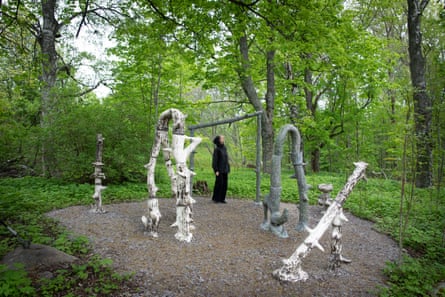
Of course, there are societal factors, too, such as relatively high levels of education and equality. But I see another reason, one that visitors can tap into: Finland is all about the peace of mind that comes from simple pleasures, a slower pace of life and connecting with nature.
Each summer, I look forward to visiting the woods of birch and pine trees, with moss-covered granite boulders, carpeted with ferns and blueberry and lingonberry bushes. There is the joy of spotting tiny, jewel-like wild strawberries and popping them in your mouth, where the taste explodes. Then blueberry-picking season arrives, another excuse to roam the woods, container in hand – if you don’t pop them into your mouth first. These are not plump supermarket berries; they are smaller, with the concentrated essence of the forest. Finland has a unique right to roam tradition known as Jokamiehenoikeudet (Everyman’s Right), so you can follow where the berry trail takes you as long as you respect the privacy of gardens.
Finland is gaining popularity as a “coolcation” destination – an alternative to the sweltering summer heat of the Mediterranean – although last summer it experienced a 20-day heatwave of its own, turning the lake beaches riviera-like.
The area of Finland I know best is South Karelia, most of which is in Finnish Lakeland. It is dominated by the island-dotted Lake Saimaa, the fourth largest in Europe. I love swimming in the cool, soft, deep blue water that stretches to the horizon, then warming up on a sandy beach backed by the ever-present pine and birch trees. On a warm summer’s evening, there is no place I would rather be. That is happiness.
The happiness that comes from being in the woods is backed up by science. Research shows that being among pine trees increases our feeling of relaxation and reduces stress, thanks to the compounds found in the scent of trees. It’s a further encouragement to slow down and breathe in the forest air.
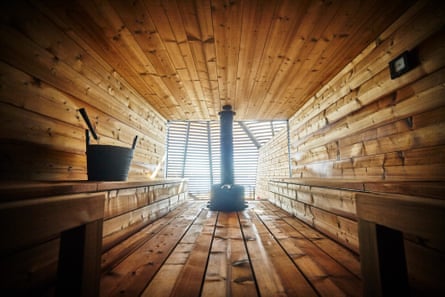
Many English-speaking people know only one word of Finnish, but it’s one that is another key to the nation’s happiness: sauna (pronounced by the Finns as sow-na). The rush of endorphins released by a sauna helps Finns get through the long, dark winters. In Helsinki, one of the most popular saunas on the seafront is Löyly (the Finnish word for the steam that rises when water is thrown on the hot stove). In winter, they cut a hole in the sea ice so you can cool off by plunging in. If you visit Finland in winter, embrace the darkness, saunas and twinkling lights, and make the most of the few hours of daylight. It is magical to explore the woods, branches piled high with snow, on foot, snowshoes or cross-country skis. There’s a particular hush and stillness the snow brings. And maybe it is learning to hold the dark and light that leads to a satisfaction among Finns.
There is plenty to explore beyond lakes, forests and saunas. Helsinki is a thriving capital that blends nature with culture. The Helsinki Biennial takes place in HAM Helsinki Art Museum on Vallisaari island, a 20-minute ferry ride from the city centre. Wandering around the wooded island is a joy in itself, with the art a bonus. The next biennial is in the summer of 2027.
Last summer I stayed in the new timber-framed Sokos Hotel Pier 4 on the harbour. The rooftop garden and bar offers a 360-degree view of the sea and across the city. On a warm July evening, with a DJ playing and the sunset filling the sky well after 10pm, it is a happy place to be. Nearby in the harbour is the Allas sea pool, where you can enjoy a sauna and swim, with a choice of heated and unheated pools, depending on your level of bravery.
The Esplanadi is lined with design shops if you want to take a piece of Finnish style home with you. There are the distinctive floral patterns of Marimekko, the glassware of Iittala, and the china of Arabia, including Moomin mugs and plates.
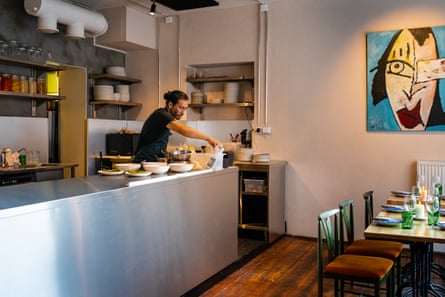
Restaurants showcasing seasonal and local produce are thriving. My favourite is Magu, which serves a five-course plant-based tasting menu, each dish bursting with creativity. And, of course, there is coffee and cinnamon rolls to keep everyone fuelled (Finns have the highest per capita coffee consumption in the world).
There is so much of Finland I still haven’t seen. I’ve never been to Lapland, to see the autumn colours and northern lights. I’d love to explore the wilds of north Karelia, go canoeing on Lake Saimaa and cycle around the Lakeland area. I have sailed through Baltic archipelagos on the ferry from Stockholm to Helsinki, but I’ve never spent time on the islands themselves. But then maybe a bucket list approach is not in keeping with the Finnish ethos – their happiness comes from familiarity, getting to know a place intimately, which is why so many Finns return to their summer cabins year after year.
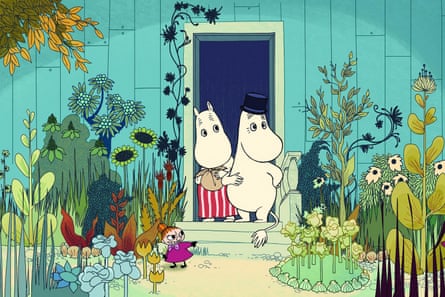
The Moomins, the lovable children’s characters created by Tove Jansson, are one of Finland’s most famous exports. Moomintroll lived by a simple ethos: “I only want to live in peace, plant potatoes and dream.” Happiness is a choice we can make, and that’s what I’ve learned from the Finns and being in Finland – it’s not the pursuit of happiness that makes you happy, it’s being in the moment, letting go of striving, letting go of expectations. Breathe in the trees. Plunge in cold water. Wake up and smell the coffee. Make a snow angel. Watch the sun setting into the blue expanse of a lake. That is happiness, Finnish-style.
Olivia Sprinkel’s book, To Hear the Trees Speak, is published by Bedford Square (£18.99). To support the Guardian, buy a copy from guardianbookshop.com. Delivery charges may apply