2 months ago
76
2 months ago
76
Every chancellor likes to float ideas before a budget to test how they might land with the public.
However, the sheer volume of policy ideas floated – and in some cases quickly jettisoned – through the media in the run-up to Wednesday’s Westminster set-piece has set Rachel Reeves’s second budget apart.
The speaker of the House of Commons, Lindsay Hoyle, called it “the hokey cokey budget” in blasting the chancellor for keeping parliament in the dark while what was likely to be in the budget was debated in the press.
Here are the main announcements expected to make the final cut.
The financial position
How much money Reeves can spend without increasing borrowing levels has become a crucial test in this budget. The chancellor wants to borrow cheaply and that means keeping the bond markets onside.
With a spending gap estimated between £20bn and £30bn, and no recourse to extra borrowing, closing it will demand some hefty spending cuts or tax rises.
Reeves will be guided by the estimates for economic growth provided by the Treasury’s independent forecaster, the Office for Budget Responsibility (OBR).
It is understood that a review of investment and productivity by the OBR across the private and public sectors has resulted in a downgrade of the UK economy’s capacity to grow in not just one, but each of the five years in its forecast.
Reeves has tried to persuade OBR officials that her measures to increase investment will turn the situation around. However, the OBR is likely to say the chancellor’s actions are not enough to fully reverse the downgraded trend.
Income tax, national insurance and VAT
There was a moment when Reeves appeared to have No 10 on side with a plan to increase income tax by 2p, offset by a 2p cut in national insurance to raise about £6bn from higher rate taxpayers.
But a backlash from Labour MPs concerned about the chancellor breaching a manifesto promise to leave the main tax rates untouched scuppered the plan.
The aftermath of this row leaves Reeves on course instead to freeze income tax thresholds for a further two years when the current four-year hold lapses next April.
Critics argue this move would also effectively be a manifesto breach, but less noticeable in monthly pay packets. It could raise £7.5bn a year.
The Treasury has also been examining potential changes to VAT. An across-the-board rise would be inflationary and has therefore been ruled out. A cut to VAT applied to household energy from 5% to zero had been widely expected as part of a package to tackle the cost of living but Reeves has reportedly decided against it, instead opting to remove some levies from electricity bills.
Property taxes
Since the hurried introduction of council tax in 1991, successive governments have been urged to overhaul Britain’s property taxes.
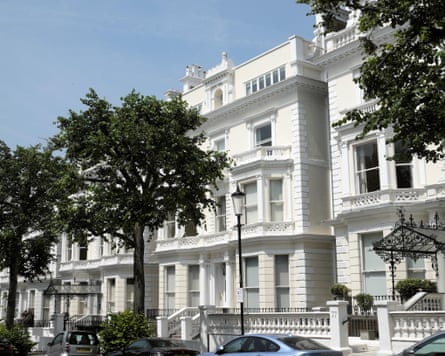
Reeves has hinted that she could be the first chancellor in more than 30 years to bite the bullet. First in line is council tax.
A complete overhaul has been ruled out. Instead, the chancellor is expected to propose revaluing the top three bands – F, G and H – to bring in extra tax revenues, raising about £400m to £450m for the Treasury.
This move – dubbed a “mansion tax” and applicable to home worth more than £2m – will involve revaluing about 2.4m of the highest-value homes.
More than 100,000 of the most valuable properties would be subject to the charge, which is expected to use an escalator with different bands depending on the value of the property, the Times has reported.
Economists have urged the Treasury to marry council tax reform with cuts in stamp duty.
Inheritance tax
Reeves is not expected to headline “wealth tax” but inheritance tax changes could hit the wealthy. Last year, Reeves changed the inheritance tax rules to bring pension payments within its scope. Farmers and business owners were also taxed on their inherited assets for the first time in more than 40 years.
The chancellor is expected to go further by capping the value of gifts, which are now unlimited. The level of the cap is not known, but is expected to include a shortening of the seven-year rule.
after newsletter promotion
At the moment, there is a sliding scale of tax rates from zero at seven years before death to 40% at death. Shortening the taper to three years could bring in millions of pounds of extra revenue.
The standard IHT rate is 40%, and it is charged only on the part of the estate that is above the tax-free threshold – now £325,000 for an individual.
It is also possible that an extra £175,000 for those inheriting property assets, which is added to the £325,000 IHT threshold, could be scrapped. At the moment, this allowance can be applied to those leaving their main home to a direct descendant.
A long-mooted tax on those who sell their UK assets before leaving for foreign shores – a settlingup charge – could raise £4bn when combined with an end to the practice of forgiving estates due to pay capital gains tax on assets that have increased in value.
Pensions
It is understood Reeves has backed away from reducing or scrapping the pension lump sum, which allows savers to withdraw a quarter of their retirement savings tax-free up to a limit of almost £270,000.
There is likely to be a cap on salary sacrifice schemes that allow workers to make tax-free pension contributions, which could raise as much as £4bn.
The employee and employer would need to pay national insurance on direct purchases above a £2,000 cap from their net salary, making the scheme less attractive.
Savings and investments
Adults are now allowed to put up to £20,000 a year in a tax-free Isa, but Reeves could cut this to £12,000, allowing her to tap some of the £300bn Isa market.
The chancellor could also reduce the tax-free allowance on dividend income and increase the tax applied to dividend income.
Dividends held outside an Isa could suffer a rate increase and a cut to the £500 tax-free allowance. Company directors who supplement a minimal salary with dividend income, which is taxed at a much lower rate, would be a target.
Transport
For some time the Treasury has examined a tax on electric car drivers, with a 3p a-mile tax on EV drivers mooted to be in the budget, or 1p if the car lobby has its way.
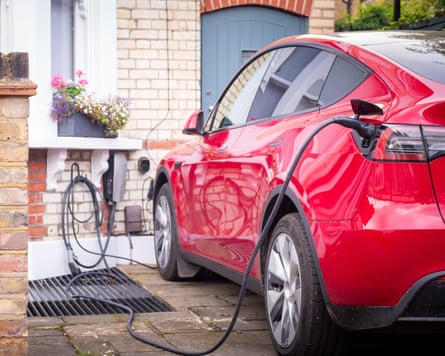
It is a possibility Reeves will opt not to continue a 15-year freeze on fuel duty. However, she could say it would be inflationary to increase it this year. Another year’s freeze will cost £2.7bn. But a signal that it is unaffordable for the government to continue the freeze over the longer term will, along with signals of welfare reforms to come, act as a calming balm on bond market lenders.
The Treasury has already said rail fares will be frozen, saving commuters on more expensive routes more than £300 per year.
Other possible tax changes
Gordon Brown has lobbied for an increase in gambling taxes, arguing that the extra revenue should be used to remove the two-child benefit cap. The former prime minister said higher taxes on slot machines and other parts of the gambling industry could raise £3bn. In response to warnings of betting shop closures and job losses, Reeves is expected to favour a more modest £1bn to £1.5bn increase.
A “taxi tax” on private hire vehicles is also expected to feature in the budget, raising up to £750m.
The government has already confirmed a “milkshake tax” to bring milk-based products into the sugar tax regime from 2028, adding about £100m to tax receipts.
Local councils have also been given the green light to levy a tourism tax on hotel stays and Airbnb-style rentals in England, matching similar taxes in Scotland and Wales.